A recent study that includes major southwest cities suggests a sobering reality: water conservation will not be enough to secure the region’s water future.
Researchers from Arizona State University and Penn State argue that while cities like Phoenix, Las Vegas, and Denver have made significant gains in reducing water use, those efforts may be outpaced by climate-driven declines in supply. Interestingly, Denver has implemented temporary drought charges.
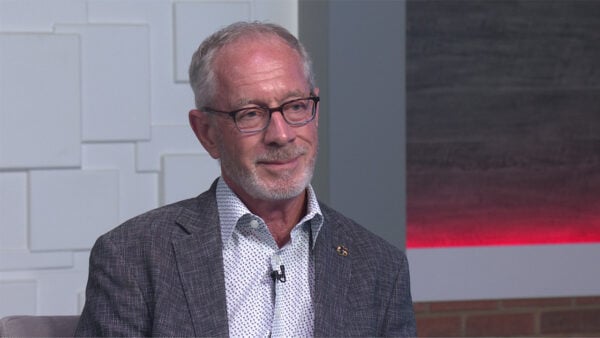
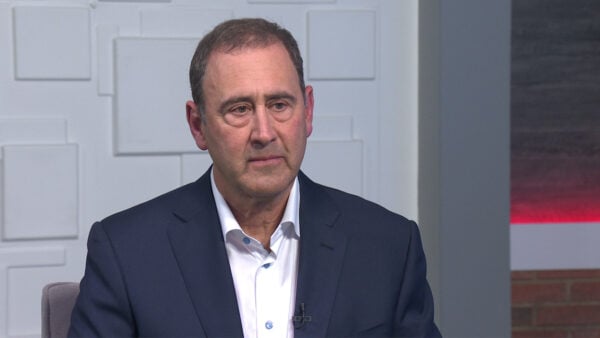
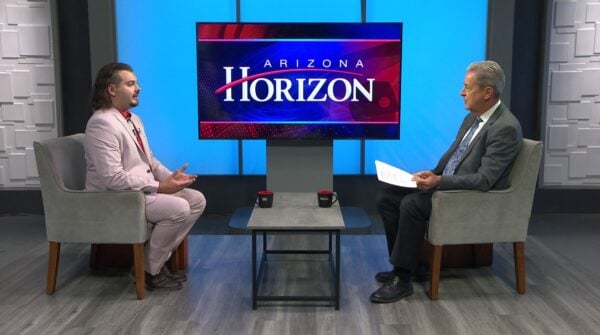
Dave White, the director of Global Institute of Sustainability & Innovation at ASU joined “Arizona Horizon” to discuss the critical shift that’s needed in water policy.
“The specific study that we released recently was the fourth in a series of four research articles,” White said. “Together these articles paint a picture of urban climate adaptation. Innovations that are occurring in cities that are dependent on Colorado River water and especially the innovations they’ve made and advances they’ve made in conservation… is necessary it’s not sufficient to the challenges that we face.”
The Colorado River Basin, which serves nearly 40 million people, is under mounting pressure from rising temperatures, prolonged drought and shrinking reservoir levels. The researchers suggest a critical shift in water policy: moving beyond conservation toward a more complex mix of solutions, including wastewater reuse, desalination, and agricultural reform.
“We are looking at the full range of conservation activities and specifically we were studying how residents’ attitudes towards conservation may change over time and how if we increase their participation in conservation activities we may increase the overall impact,” White said.
However, these approaches come with steep costs and long timelines, according to the study.
White added, “[My co-author and I] want to make clear that we need to continue our efforts in water conservation, but the research shows that these gains that we’re making and making our lives more efficient…are being outmatched by changes that are being induced by climate and longterm drought.”