U.S. Federal Court blocks President Trump’s sweeping global trade tariffs
June 2, 2025
The Court of International Trade has ruled an emergency law, which was invoked by the White House, did not give President Donald Trump unilateral authority to impose tariffs on nearly every one of the world’s countries, leading to many frustrations for President Trump.
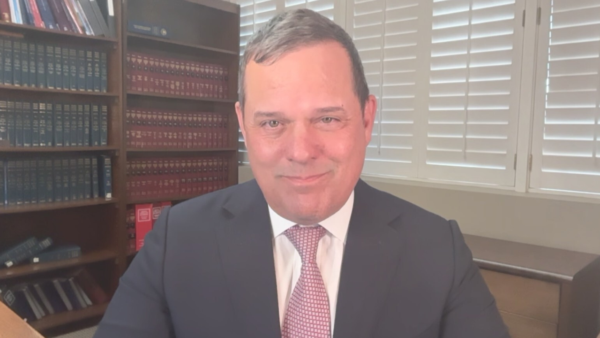
Stephen Montoya, Partner at Montoya, Lucero and Pastor, joined “Arizona Horizon” to discuss the U.S. federal court’s decision to block President Trump’s sweeping global trade tariffs. This has caused a major blow to a key component of his economic policies.
“The court, the international trade court, declared the tariffs unlawful on Wednesday of last week for a variety of reasons. First of all is that, that the law, if construed the way, or interpreted the way the Trump administration was interpreting it was to broad and delegated too much authority, an unconstitutional amount of authority to the president,” Montoya said.
Montoya also spoke to some of the other court cases that involve tariffs.
“The status of one important one out of the District of Columbia concluded with the trade court that the across the board tariffs were unconstitutional and unlawful,” Montoya said.
When it comes to how this court decision will play out, Montoya shared what he believes will happen.
“Republicans have traditionally opposed and distained tariffs, so and the liberals don’t like them either. So I think, and plus I don’t think the president has this broad power. The president has basically taken onto himself the power to impose tariffs across the board for any reason, at any amount, for any length of time. And the president does not have that power under law, I think he’s going to lose. But there are plenty of other laws that he can lawfully use that they’re already starting to threaten to use,” Montoya said.
In this segment:
Also in this episode:
SPOTLIGHT









Full Episode April 2
Executive order on mail-in voting; Colorado River water usage battle; Mychal Threets







Full Episode March 31
U.S. rental prices down; new book on Don Bolles; Heidi’s Village pet rescue