Differences of Original Medicare and Medicare Advantage Plans
Oct. 27, 2025
Medicare open enrollment began on October 15th and runs through December 7th, and for many Arizona seniors, the choice between Original Medicare and Medicare Advantage plans can be confusing.
While “Advantage” sounds like a benefit, the Arizona Hospital and Healthcare Association (AzHHA) is sounding the alarm: Medicare Advantage is often no advantage at all. AzHHA has heard from hospitals in Arizona and across the country that these private insurance plans often deny or delay medically necessary care, restrict access to doctors and hospitals, and hit patients with hidden costs. If you agree to participate in a Medicare Advantage plan, you actually lose your Medicare Part A and Part B coverage.
In rural Arizona, the risks are even greater, as limited provider networks can force patients to travel long distances or forgo treatment altogether. This issue affects tens of thousands of Arizona seniors making critical choices during Open Enrollment.
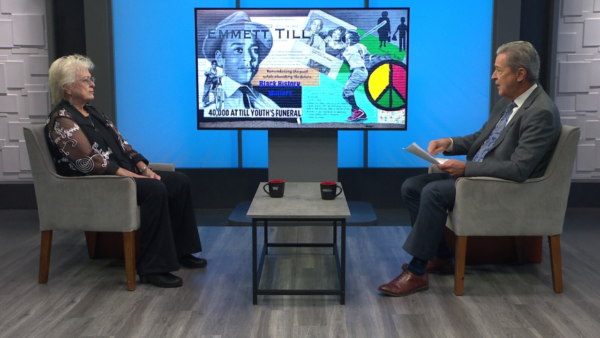
Ann-Marie Alameddin, President & CEO of the Arizona Hospital and Healthcare Association, joined “Arizona Horizon” to explain the differences between the two.
Although it might sound confusing at first, Alameddin explained that Traditional Medicare is a program Americans are “entitled to when they turn 65” and offers a “fairly streamlined process” because patients generally “don’t need to go through any sort of prior authorization process”.
In contrast, Medicare Advantage is managed by a private insurer whose criteria “could include prior authorization processes, it can include peer-to-peer review in terms of physicians, so there can be more administrative hurdles…”Alameddin added a major warning about access, adding that “in Medicare Advantage, the networks are much more narrow”.
Perhaps the most critical risk is for patients with sudden, severe needs. If a patient requires transfer to a rehabilitation hospital, Alameddin said Advantage plans “deny those transfers more frequently. So you’re at risk of not being able to get the care that your physician is saying is medically necessary”.
Alameddin’s final piece of advice for consumers is to “do your homework” and be aware by a plan that appears streamlined but then turns out to have hidden complexities when high-level care is required.
For more information, visit AZShip.org. It’s a free resource people can use to decipher Medicare and Medicare Advantage.
In this segment:
Also in this episode:
SPOTLIGHT








Full Episode April 2
Executive order on mail-in voting; Colorado River water usage battle; Mychal Threets