SCOTUS preview: Cases coming up as new session begins
Oct. 2, 2025
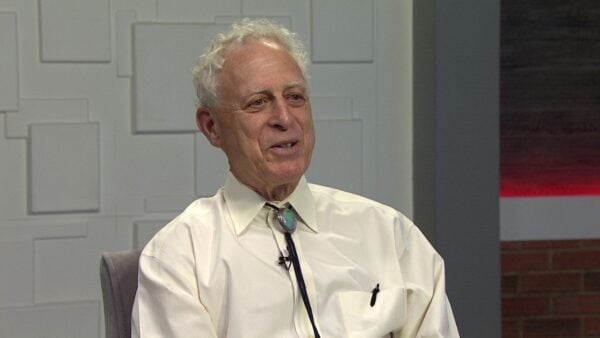
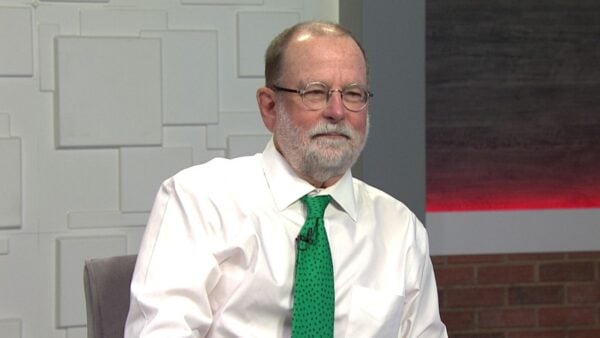
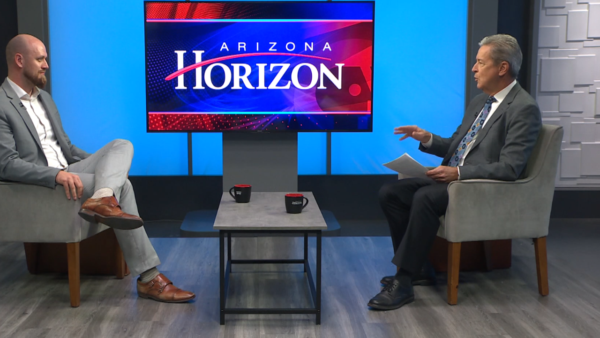
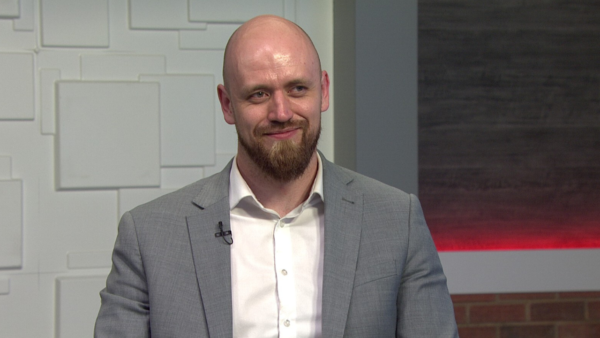
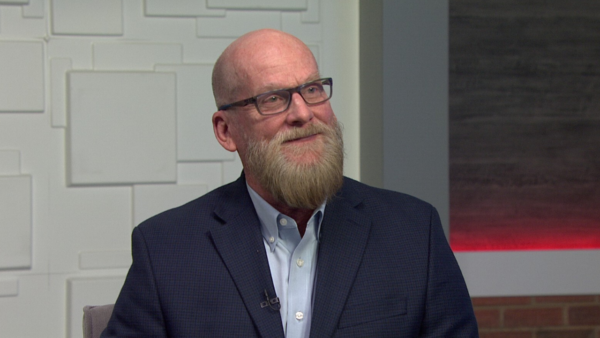
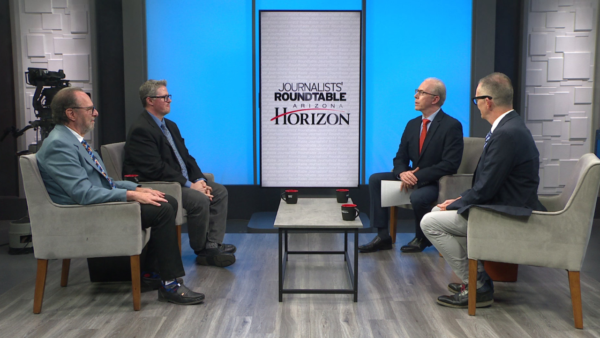
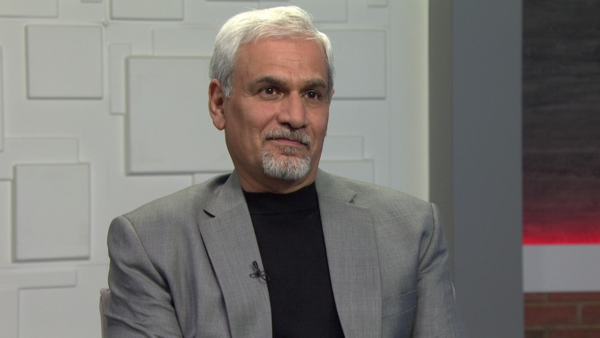
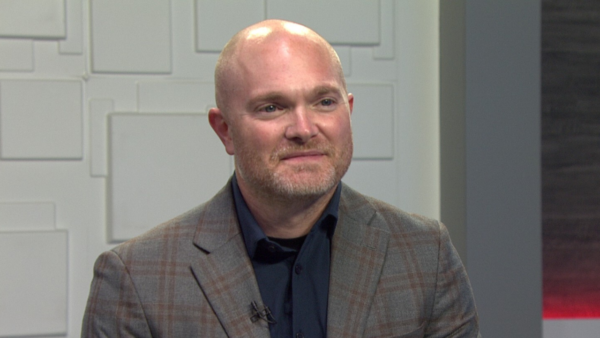
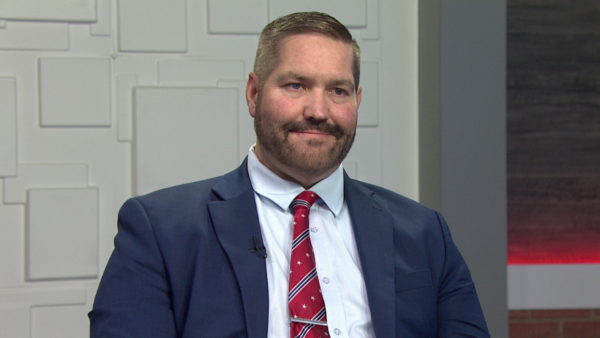
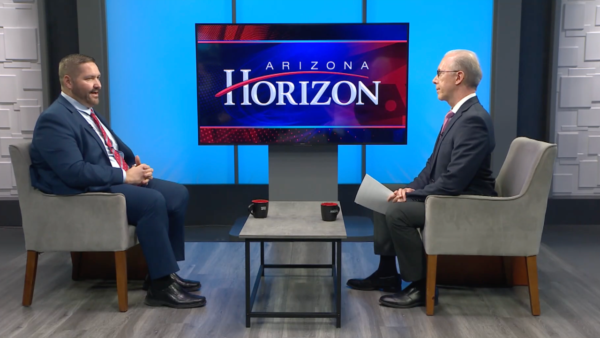
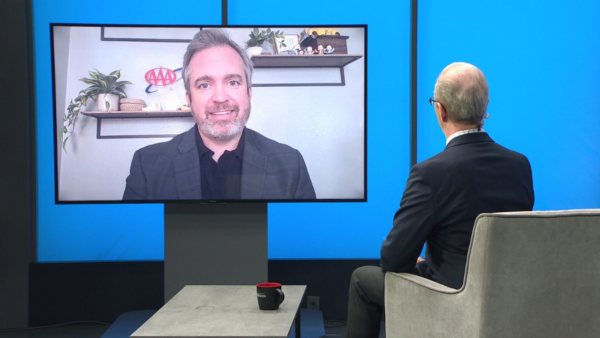
Big cases are pending in the United States Supreme Court as the new session begins on October 6, 2025. Attorney Stephen Montoya, of Montoya, Lucero and Pastor, and Paul Bender, Professor at Arizona State University’s Sandra Day O’Connor College of Law, joined “Arizona Horizon” to give us a preview.
The justices are expected to hear arguments on the pair of challenges to President Donald Trump’s authority to impose tariffs under the International Emergency Economic Powers Act. The court will also hear cases about “conversion therapy” and congressional mapping.
the new term opens during an unusually unsettled moment for the Court.
“There’s almost no leadership on the Court,” Bender said. “Nobody is going anywhere. They’re all doing their individual things.”
Montoya called the Court’s current direction “the wrong one,” arguing that it is “taking the country backward to history that no longer exists and that people no longer want.”
A major case this term revisits presidential power over independent federal agencies. Bender said the challenge “threatens to greatly expand the authority of the executive,” potentially overturning the landmark 1935 Humphrey’s Executor decision.
Montoya added that empowering the president to remove independent regulators “is antihistorical” and undermines the Constitution’s emphasis on limiting government.
The Court will also weigh Trump’s use of the International Emergency Economic Powers Act to impose broad tariffs. Montoya argued the statute “has never in its 50-year history been interpreted to authorize the president to impose tariffs unilaterally,” adding that the administration’s justification of an economic emergency “has no basis in law.”
Bender noted the Court has historically done little to restrict presidential action in this area and said he is unsure whether that will change.
Justices will also hear a challenge to Colorado’s ban on conversion therapy for minors. Montoya said the law regulates professional conduct, comparing it to limits on harmful medical practices.
Bender questioned whether the therapist’s claim qualified as a First Amendment issue, saying, “I don’t understand how that’s free speech.”
A congressional redistricting case from Louisiana will also return to the Court. Montoya described the state’s attempts to redraw its maps as “a really bad sign,” arguing the new lines dilute Black voting power. Bender said the Court’s approach to gerrymandering remains “incoherent,” without a clear constitutional standard.
Both experts said the upcoming term could significantly influence presidential power, civil rights and election law, but how clearly the Court will define its direction remains uncertain.
In this segment:
SPOTLIGHT





STAY in touch
with azpbs.org!
Subscribe to Arizona PBS Newsletters: