Physicians at Valleywise Health have issued health warnings amid a historic March heat wave, as temperatures are expected to push past 100 degrees next week. An unexpected heat surge can be especially dangerous because our bodies don’t have enough time to adjust to the high temperatures.
This sudden change can increase the risk of heat stress and heat stroke. Experts say if the first 100-degree day of the year occurs now, it would be roughly 100 days ahead of when it was expected.
The earliest 100-degree day ever recorded in Arizona was on March 26, 1988.
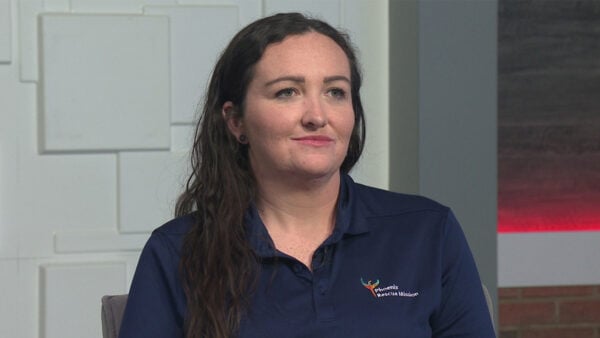
Dr. David Sklar isan Emergency Medicine Physician at Valleywise Health, as well as a professor at ASU’s John Shufeldt School of Medicine and Medical Engineering. He joined “Arizona Horizon” to discuss more about these new heat dangers.
“It’s a big deal. A lot of people from other places who come here during spring break are not going to be prepared for this,” Dr. Sklar said, “…enjoy the beautiful weather and beautiful place we have here, but unfortunately it’s a kind of different setting from I think what they expect.”
Over time, when it gets warmer and is heading towards summer, people acclimate and learn to deal with the heat. Many individuals sweat more, but they’re able to dissipate the heat in their bodies.
“But when it suddenly hits, the way it’s going to hit us in the next few days,” Dr. Sklar discussed, “…people aren’t prepared.”
Dr. Sklar emphasized staying hydrated during these temperatures and gradually taking steps to hydrate yourself instead of all at once. He explained that if you quickly try to refill your system with water, you’re not going to absorb it.
“…you’re sweating constantly, so you’re becoming dehydrated,” Dr. Sklar said, “…if you are completely dehydrated, your blood pressure will drop, and trying to just fix that with a few big gulps isn’t gonna really work.”