Why would someone have to eat a watermelon in the middle of the night? If you were Apache at a certain point in history, watermelon was always a nighttime treat.
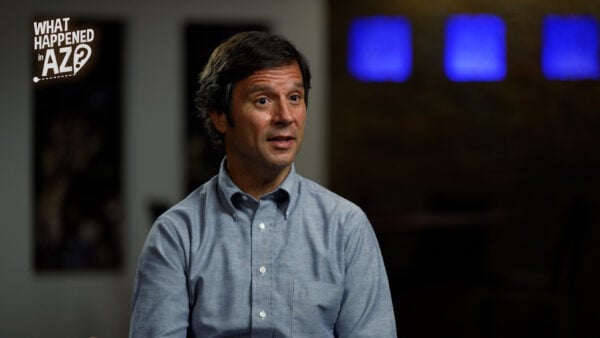
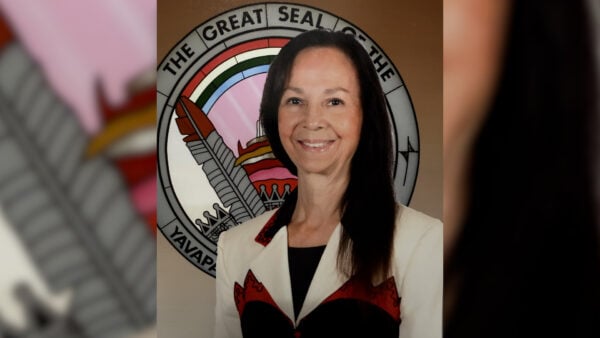
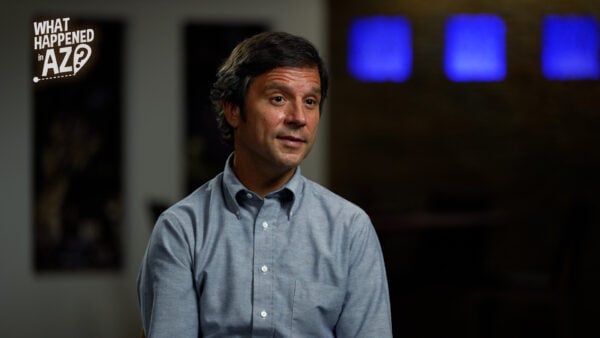
That detail reveals a much larger story, shaped by restriction, control and cultural resilience. Dr. Maurice Crandall, a citizen of Yavapai-Apache Nation and Associate Professor of History at ASU, tells the story.
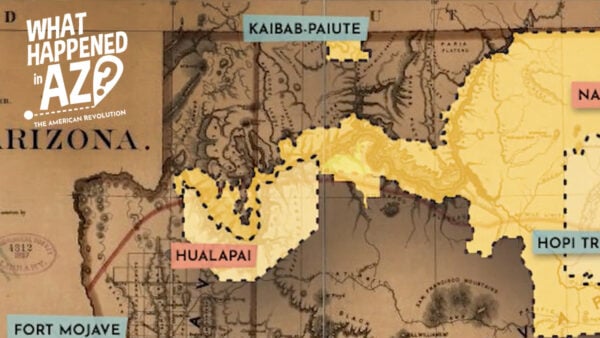
This episode of “What Happened in AZ?” explores how a historical moment can be reflected by language. In Apache, the very word for “watermelon” tells a story about stealing sweet treats from someone else’s garden and managing the risk.
But this story is also about resilience. Families found ways to hold on to moments of joy, connection and normalcy, even if it meant working outside the rules. These acts, though quiet, were meaningful forms of resistance and cultural survival.
Through storytelling and historical context, “What Happened in AZ?” sheds light on how everyday experiences can carry deeper significance. The story of watermelon is not just about food; it’s about discovery, power struggles and the determination to get a taste of something new.
Learn how even the simplest things can carry powerful meaning in the face of adversity.
Corporate funding for THE AMERICAN REVOLUTION was provided by Bank of America. Major funding was provided by The Better Angels Society and its members Jeannie and Jonathan Lavine with the Crimson Lion Foundation; and the Blavatnik Family Foundation. Major funding was also provided by David M. Rubenstein; The Robert D. and Patricia E. Kern Family Foundation; Lilly Endowment Inc.; and the following Better Angels Society members: Eric and Wendy Schmidt; Stephen A. Schwarzman; and Kenneth C. Griffin with Griffin Catalyst. Additional support for THE AMERICAN REVOLUTION was provided by: The Arthur Vining Davis Foundations; The Pew Charitable Trusts; Gilbert S. Omenn and Martha A. Darling; Park Foundation; and the following Better Angels Society members: Gilchrist and Amy Berg; Perry and Donna Golkin; The Michelson Foundation; Jacqueline B. Mars; Kissick Family Foundation; Diane and Hal Brierley; John H. N. Fisher and Jennifer Caldwell; John and Catherine Debs; The Fullerton Family Charitable Fund; Philip I. Kent; Gail Elden; Deborah and Jon Dawson; David and Susan Kreisman; The McCloskey Family Charitable Trust; Becky and Jim Morgan; Carol and Ned Spieker; Mark A. Tracy; and Paul and Shelley Whyte. THE AMERICAN REVOLUTION was made possible, in part, with support from the Corporation for Public Broadcasting.