Recently, in a severe blow to the Trump administration’s health agenda, a federal judge in Massachusetts blocked the government from applying a series of decisions on vaccines.
Many of these policy changes were made over the last year by Health Secretary Robert F. Kennedy Jr.
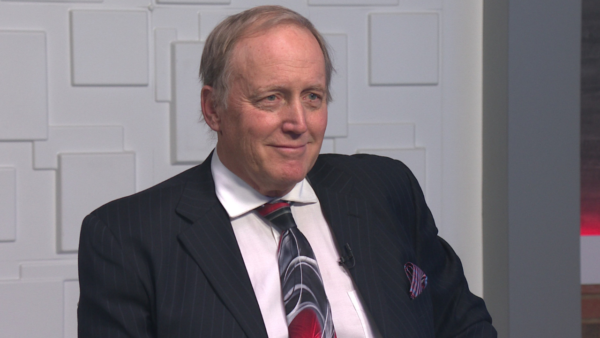
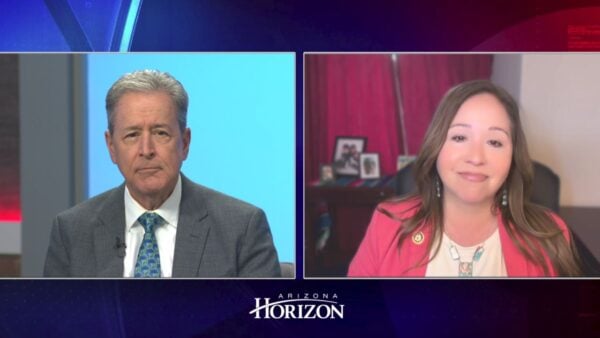
Will Humble, Executive Director at the Arizona Public Health Association, joined “Arizona Horizon” to discuss more about the ruling and what it means for health and vaccine policies.
This all began with a lawsuit filed by the American Academy of Pediatrics and the American Public Health Association. They claimed that Secretary Kennedy is making decisions that are unjust or improper.
“…judge goes, hey we think you’re going to win, so I’m going to issue a preliminary injunction,” Humble said, “…which ends the things that Kennedy did last summer, and since around vaccine policy.”
According to Humble, last summer, Kennedy had decided he wanted to follow the way Denmark conducts their vaccine schedule, which meant changing seven vaccines. Some of these include influenza, RSV, Hepatitis A, Hepatitis B, and Rotavirus.
“…moved them from routinely recommended to what’s called shared clinical decision making,” Humble explained, “…what it meant was…you could still get those vaccines covered with your health insurance plan…they had to spend extra time with the shared clinical decision making, and it was hurting those pediatric appointments.”
The judge had reportedly told Secretary Kennedy that he didn’t follow the right processes under federal law.
“What he said was,” Humble said, “…there’s a way you’re supposed to do things under the federal advisory commission act…tells people across federal government, like how you’re supposed to make decisions when there’s an advisory committee that’s in federal law…he didn’t follow that process.”
Last year, Kennedy had dismissed the advisory committee for immunization practices in order to put his own people in. Humble emphasized that Kennedy failed to follow the process under the Federal Advisory Commission Act.