Ongoing government shutdown revokes funding for Telehealth visits
Oct. 20, 2025
As of October 1st, telehealth visits are no longer being paid for by Medicare. This is a result of the government shutdown and the pandemic waivers that allowed for coverage of these visits to expire.
It’s especially rough for chronically ill patients like those with diabetes who have to have regular check-ins with their doctor, or those who cannot drive or live in rural communities. The telehealth visits allowed patients to see their doctors, receive prescriptions, or check in for test results.
Appointments booked before October 1st will be honored, but no new appointments can be scheduled.
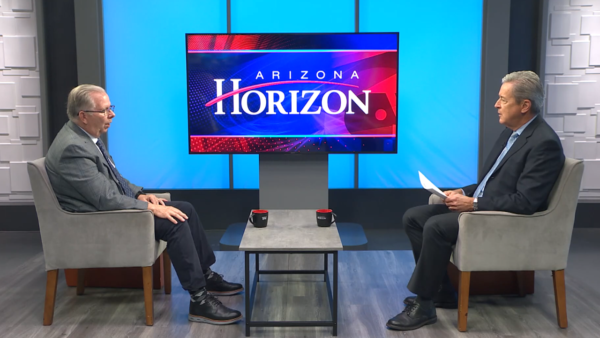
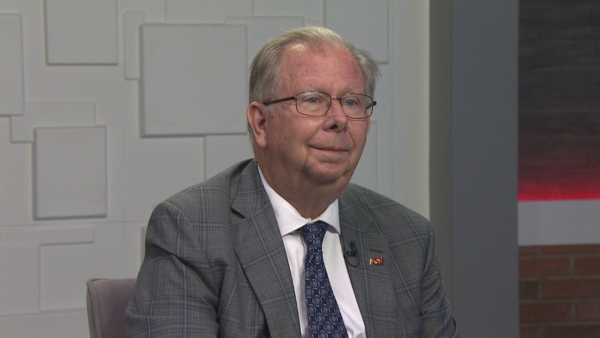
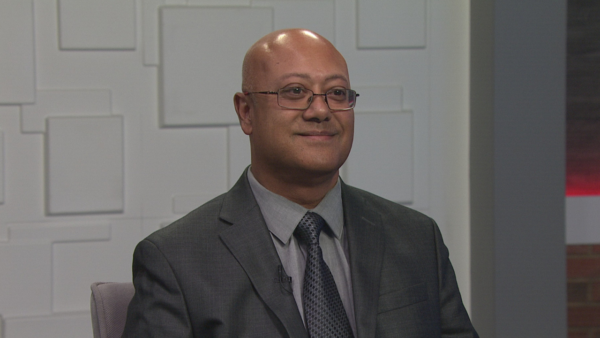
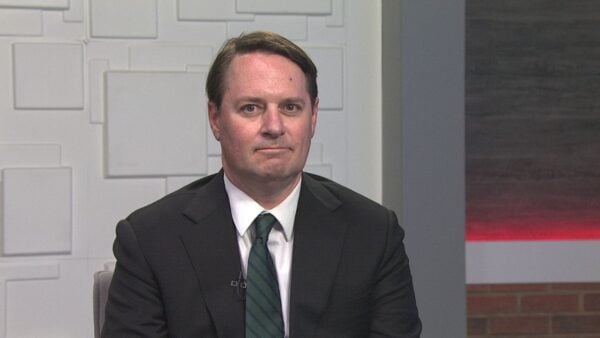
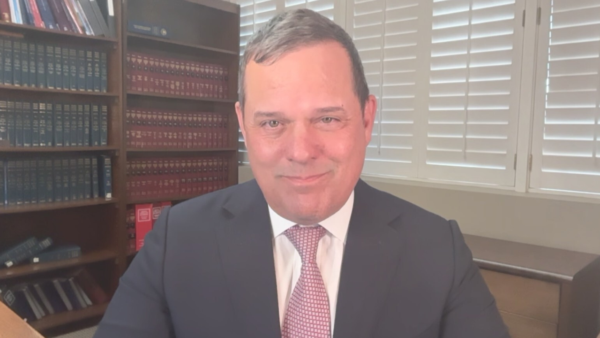
Will Humble, Executive Director, Arizona Public Health Association, joined “Arizona Horizon” to talk more about how the ongoing government shutdown will affect patients who utilize Telehealth visits.
For recipients of traditional Medicare and in an urban area, like Phoenix or Tucson, it will be nearly impossible to get a telehealth appointment with a doctor because it is no longer authorized. In rural parts of the state, there are a few more opportunities for recipients to get telehealth appointments, especially regarding mental health.
According to Humble, recipients who have a Medicare Advantage plan could see fewer restrictions when scheduling telehealth appointments.
“It’s a huge deal for, especially, seniors, people who have difficulty getting around,” Humble said. “They’ve now made this telehealth relationship with their doctor for their diabetes, for their arthritis… and now they’re losing that.”
There is a bipartisan bill in Congress, The Connect Act, which has two main goals: reauthorize telehealth and look at which conditions have a positive return on investment for telehealth, according to Humble.
“It would set up an auditing system, so that you could have an entire Medicare system to say ‘hey look’ to looking for that fraud piece,” Humble said. “That’s why telehealth was really so far behind the curve is because everyone was so afraid of ‘this is going to be so much fraud.””
Humble continues to emphasize the point that the lack of telehealth access is not the fault of doctors and medical professionals, but that recipients should take up their frustration with their representatives.
In this segment:
Also in this episode:
SPOTLIGHT




Full Episode March 31
U.S. rental prices down; new book on Don Bolles; Heidi’s Village pet rescue

March 30
ASU lab explores interior of planets