Climate change accelerates the threat of microplastics
Dec. 17, 2025
For years, microplastics have been an environmental and health threat, but as the world heats up, driving increasingly extreme weather, they pose a new threat. According to a new study, microplastics are becoming “more mobile, persistent, and hazardous pollutants,” prompting many to call for urgent action.
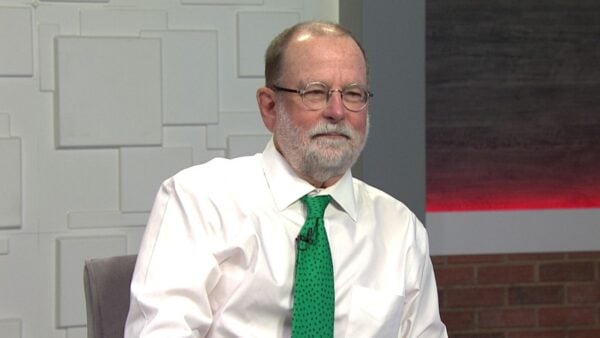
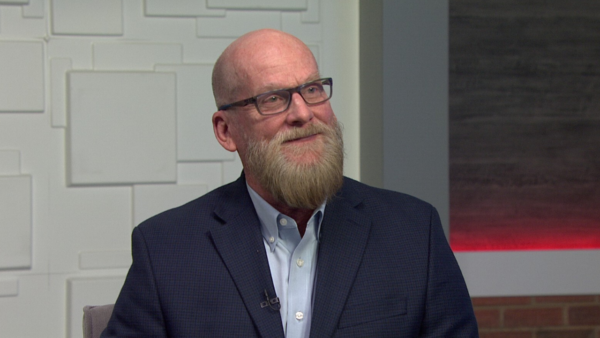
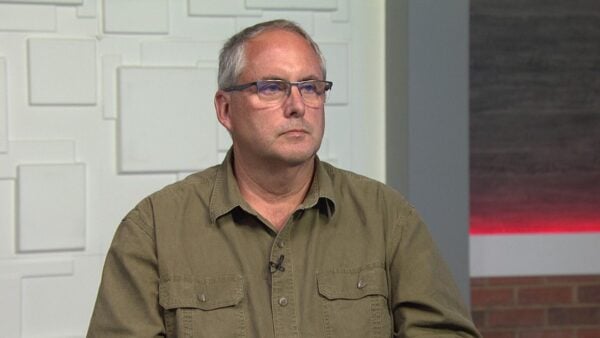
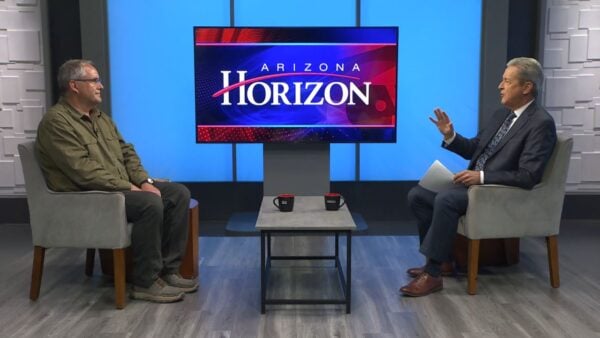
Pierre Herckes, PhD, Professor at the School of Molecular Sciences at ASU, joined “Arizona Horizon” to discuss the way microplastics are evolving and what threat they pose.
Dr. Herckes explained that a team of scientists conducted hundreds of studies and found sufficient evidence that climate change is worsening plastic pollution in our water, soil, atmosphere and wildlife.
The increasing temperatures, humidity and sunlight break plastic down, making it frail and accelerating its disintegration into tiny fragments.
Extreme flooding, winds and storms also accelerate the breakdown of plastic, mobilizing it and spreading it more widely, Dr. Herckes said. Extreme wildfires, which can be fueled by drought and high temperatures, burn through homes, vehicles and offices, releasing microplastics and highly toxic compounds into the atmosphere.
“Microplastics are small fragments of plastics,” Herckes said, “…typically microplastics are smaller than five millimeters in size.”
Herckes explained how some microplastics that are larger can be visibly seen on the ground, in the soil, or in the air.
“…but then they can go smaller and smaller,” Herckes discussed, “…it’s not good because of the effect that it can potentially have.”
Warmer environments and storms can help break down microplastics much faster, while the smaller plastics can be easily transported and can easily get into our food chain.
“You leave something in your backyard that you forgot about in plastic, it becomes brittle, and that is due to the heat, the UV radiation, and it will break when you touch it,” Herckes said.
One negative aspect of microplastics is that they often have additives to them, including pesticides, bacteria, and viruses.
“Watching for mismanaged plastics, and minimizing our use of plastics,” Herckes said.
In this segment:
Also in this episode:
SPOTLIGHT





STAY in touch
with azpbs.org!
Subscribe to Arizona PBS Newsletters:

Full Episode March 20
Iran War Update; AZ Diamondbacks Home Opener; 48 Arizona Women


Full Episode March 18
Record-breaking heat in Phoenix; Holocaust novel; Phoenix Zoo VR experience