Global trends to consider as GLP-1 injections gain popularity
Jan. 22
One in eight Americans says they have tried GLP-1s, a weight-loss injection. Research led by Arizona State University finds these medicines are influencing social norms, user strategies, and health systems.
They identified nine global trends that should be considered as these drugs continue to gain popularity and become more accessible.
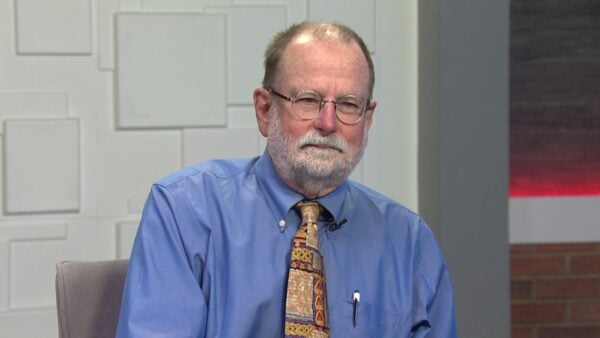
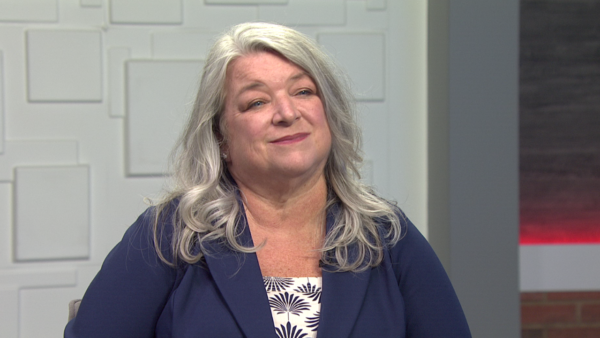
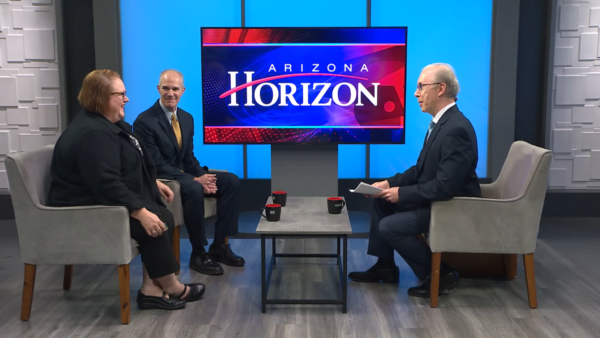
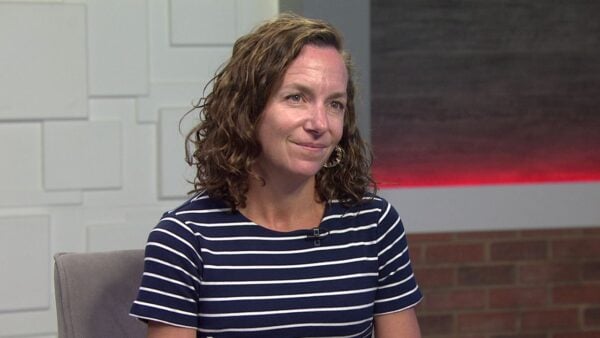
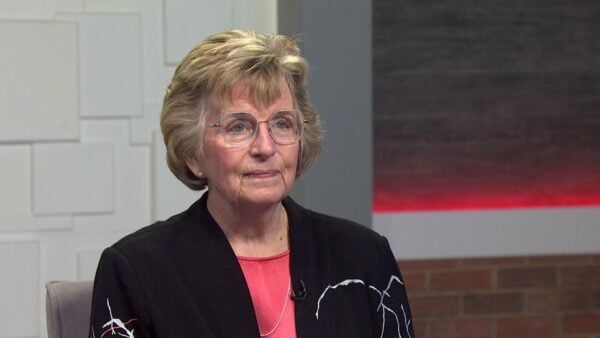
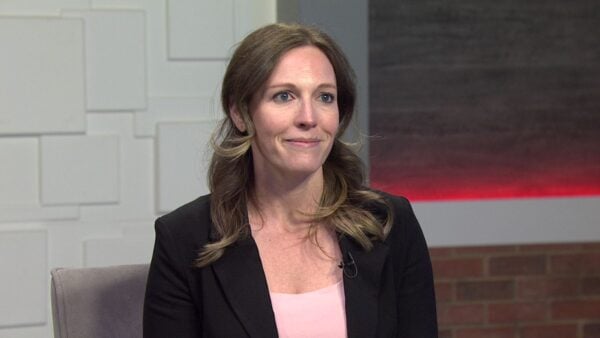
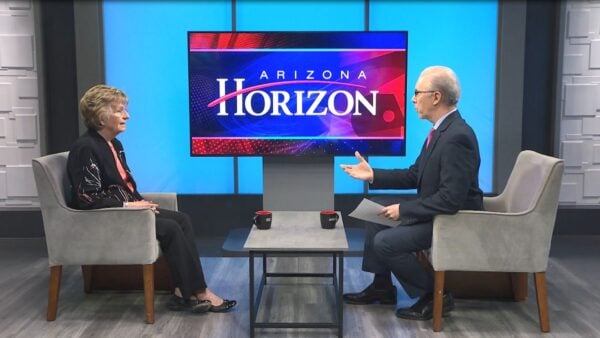
Alexandra Brewis, PhD, Regents and President’s Professor at the School of Human Evolution and Social Change at ASU, and Cindi SturtzSreetharan, President’s Professor at the School of Human Evolution and Social Change, joined “Arizona Horizon” to discuss the social effects of GLP-1 medications.
“…this new class of weight loss drugs that have been introduced in the last several years,” Brewis said, “…Ozempic being one, Monjaro being another…so they’re now increasingly common…there’s a lot of changes happening around these drugs.”
Historically, these GLP-1 medications were designed to help with diabetes, until people discovered that these drugs had a side effect of weight loss.
“What becomes more problematic is what people are willing to tolerate once they’ve lost weight,” Brewis said, “…now we’re seeing a lot of people discontinuing the drugs, so people going on and off them in really complicated ways that are not sort of clinically advised as a result.”
SturtzSreetharan explained how many individuals who have taken these injections have experienced many side effects, including nausea, stomach upset, and constipation. In certain situations, individuals experienced severe symptoms that they had to stop using it altogether.
“But for people who could tolerate them,” SturtzSreetharan said, “…they would often report feeling much more normal, feeling much more confident…or lead a life that they were aspiring to.”
Brewis emphasized how complicated the situation is, as many people are feeling emotional and psychological benefits from this drug.
“…once you have people starting to use it for cosmetic use, which is what’s happening now,” Brewis said, “…you’re now getting into territory where people have eating disorders, and all these complications that make the drugs very dangerous.”
In this segment:
Also in this episode:
SPOTLIGHT





STAY in touch
with azpbs.org!
Subscribe to Arizona PBS Newsletters:
Gifts presented by Arizona PBS




Full Episode March 5
Democrats fund races; Free Little Library; Pompeii exhibit
Full Episode March 4
Who controls Maricopa County elections; U.S. hockey win controversy; notMYkid milestone