The Colorado River crisis is threatening the water supply of 40 million people and the electricity that powers cities across the Southwest, including Phoenix. With seven Colorado River Basin states unable to agree on how to divide the Colorado River’s water, the federal Bureau of Reclamation has stepped in and released a plan. Federal officials released the plan on July 31, 2026. It leans heavily on curtailing deliveries from Lake Mead to downstream users, including Arizonans.
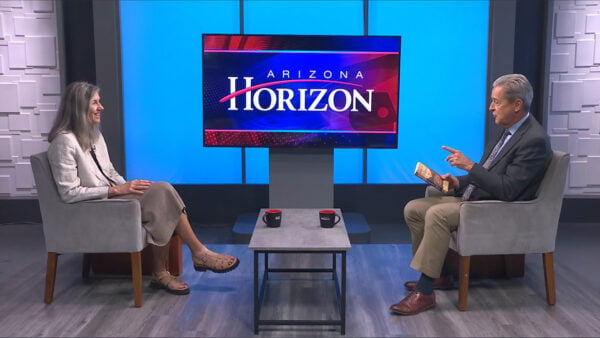
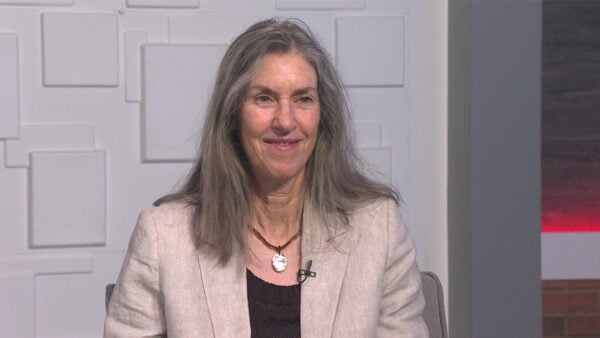
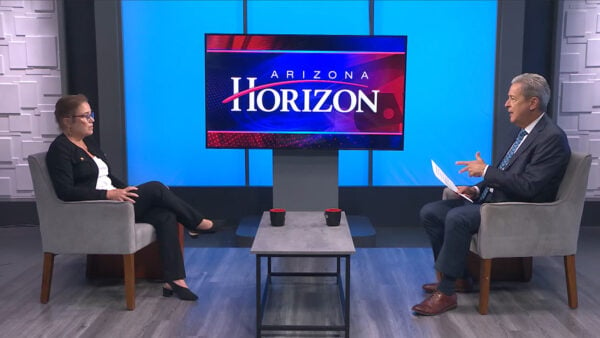
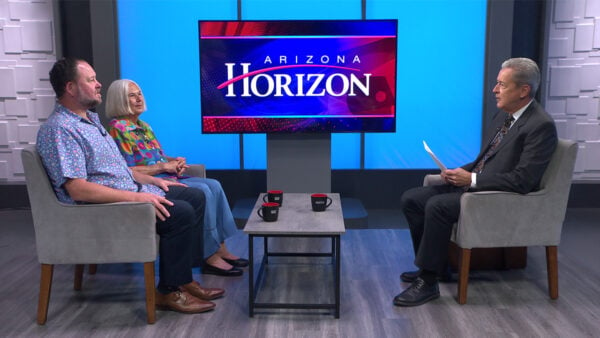
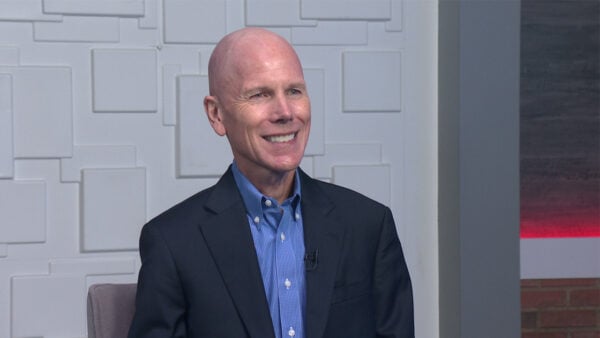
The Director of the Kyl Center for Water Policy at ASU, Sarah Porter, joined “Arizona Horizon” to explain the details of the new plan.
The plan allows for cuts of up to 3 million acre-feet a year among the states in the Colorado River’s Lower Basin: Arizona, California and Nevada. That’s nearly twice what those states have offered to conserve.
Arizona officials have said such a blow would be devastating, possibly cutting off the Central Arizona Project’s (CAP) deliveries to Phoenix and Tucson. But they say that level of reduction is unlikely, at least in the first two years. It’s one of two reports that represent the culmination of three years of gridlocked negotiations over how to manage the Colorado River basin’s key reservoirs after the current management rules expire this fall.
Yet to come is a detailed description of what reductions the states will face in the first two years. That document’s release is expected in the coming days or weeks and will accompany a formal Record of Decision, the federal government’s final step in approving projects with major environmental consequences.
Porter clarified the cuts of up to 3 million acre-feet could possiblly come to fruition if things get to that point, and the plan by the federal government writes that out. She also added if this were to happen, it would eliminate about 40% of the 7 millions-acre-feet worth of water that the lower basin receives.
Looking at how these cuts would affect Arizona, Porter noted those who would be most affected would be cities and tribes.
“With some mitigation from the Arizona Water Banking Authority, will probably amount to about a 14% cut. That’s the projection for cities and about a 10% cut to tribes in the CAP service area,” Porter said.
As for the question if Arizona is prepared, Porter believes so. She touched upon preventative measures that are being used, including the assured water supply rules which has cities in the state plan out their water portfolio for 100 years.