New ASU study identifies why bodies respond differently to same vaccines
Sept. 15
More from this showAs cold and flu season approaches, people are going in for their annual vaccinations. But while vaccines can protect most people from contracting illnesses, their effectiveness varies from person to person. A new ASU-led study helps explain why immune systems respond differently to the same vaccines.
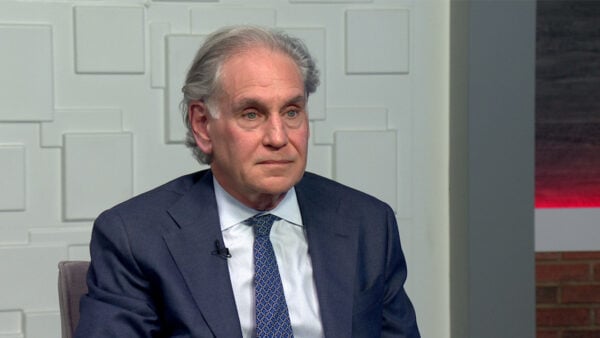
Dr. Josh LaBaer, Executive Director of the Biodesign Institute at ASU, joined “Arizona Horizon” to discuss the study’s findings.
LaBaer said that the COVID-19 pandemic was the start of the study conducted by ASU.
“That was a unique opportunity. We could look at antibody responses in people who received a brand-new vaccine,” he said.
The study included several thousand healthy people and two thousand people who were immunocompromised, LaBaer said. Through this study, LaBaer said they are able to predict who will have a good response to vaccines and who won’t.
“We look at your past history and tell how you will do in the future,” LaBaer said.
LaBaer said people who have more antibodies historically have a better chance at a positive reaction to a vaccine or illness. LaBaer said that while this study did help answer some questions, it also raises the importance of other issues relating to vaccines and how the information found can lead to even more studies to continue to understand.
“There was over two million data points in the study. We developed models that predict, we were aiming who will be the weak respondents, what helps clinicians the most, to know who’s going to have a bad response,” LaBaer said.