Arizona has stored Colorado River water since the 1980s through the Central Arizona Project Canal. Arizona will draw from decades-old underground water banks that store surplus Colorado River water after federal funding cuts. Extracting the water requires permits, treatment infrastructure and wells that many cities don’t have access to.
The state created the Arizona Water Banking Authority in the late 90s to manage storage of unused Colorado River water.
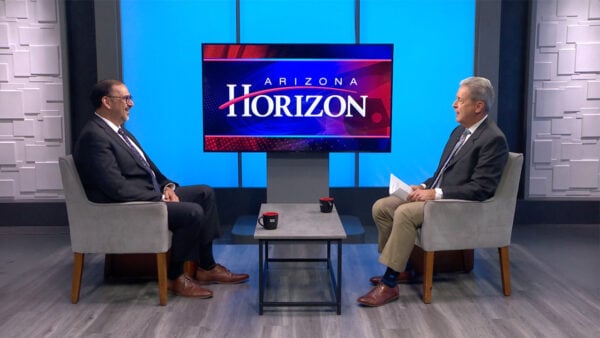
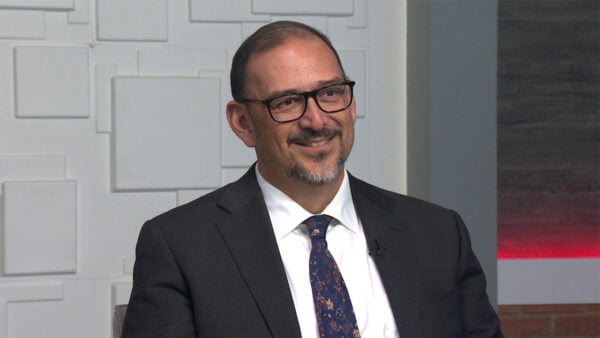
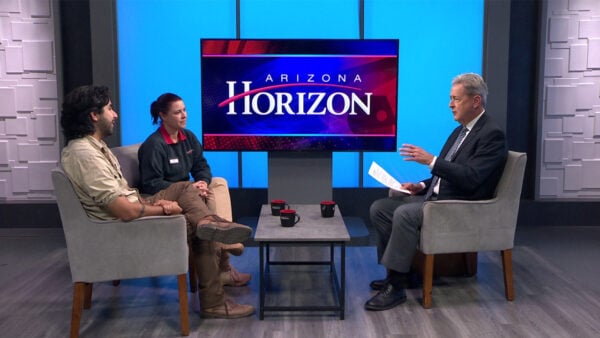
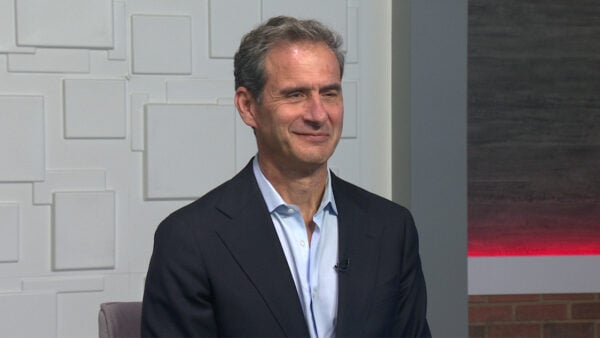
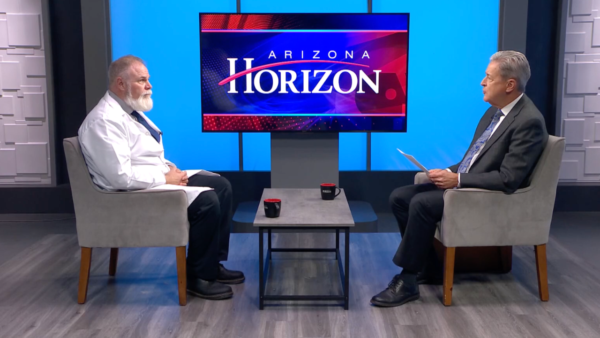
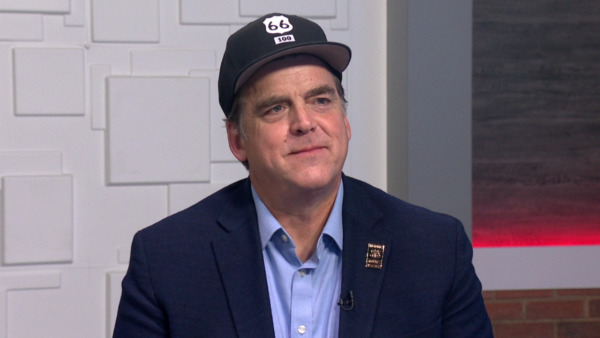
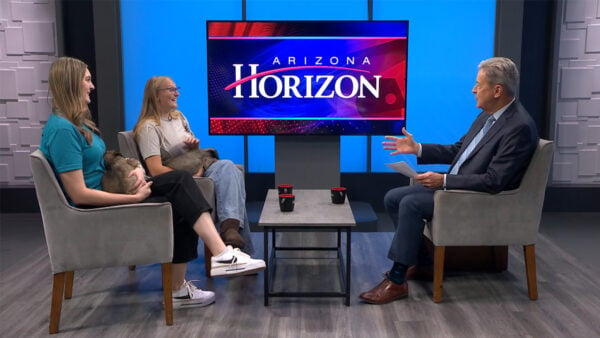
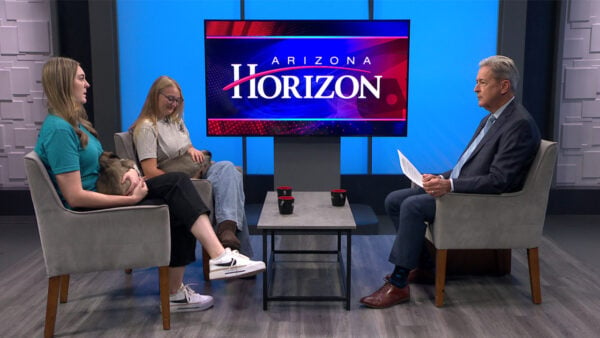
Terry Goddard, President of the Central Arizona Water Conservation District (CAWCD) Board of Directors, joined “Arizona Horizon” to discuss the future of underground water usage in Arizona.
“Water banking is something Arizona has had as part of its long-term water security efforts, planning, for many years,” Goddard said. “It basically means that any water that is not immediately needed is percolated back into the ground.”
The main purpose of this effort is so that water can be saved and used at a later date.
“We have a fairly sophisticated system of measuring what goes into the ground, what eventually will come out,” Goddard said. “And you have to be very careful because that’s not groundwater, per se, it’s replenishable water that is put in.”
The Central Arizona Project was intended to prevent the state from draining Arizona’s groundwater supply. The aquifers are carefully selected and are usually located near rivers or streams. But
Goddard wants to make it very clear that these aquifers are not lakes or faucets that are easily accessible.
“The water banking was done as part of a long-term water management effort, and in order to get it back out of the ground, we have to put in pumps, put in pipes, we have to put in water treatment programs,” Goddard said. “That takes time and won’t be available next year or the year after.”
The extraction process is long and difficult, but it is an ongoing conversation amid droughts and state and federal changes in water distribution.
“In the last two years, the Department of Water Resources has seen a doubling of well permits in Maricopa County. So yeah, the cities are watching this, and they’re getting ready,” Goddard said. “But it’s still going to take them a lot of money and a lot of time to be able to do the whole process.”