Arizona knows a thing or two about borderlands. But what happens when you take that conversation thousands of miles away to the borderlands of Japan?
ASU Cronkite students recently went to Tokyo, Japan, and explored how immigration, identity and culture shape communities on the other side of the world. In Tokyo, they found connections that may be closer to home than one may think.
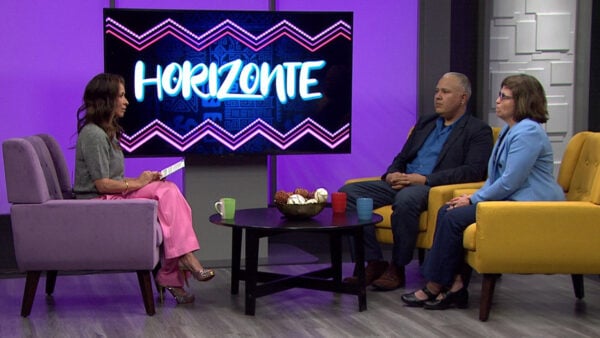
On this episode of “Horizonte,” Catherine Anaya is joined by ASU professor and journalist Rodrigo Cervantes and ASU journalism student Natalia Rodriguez to talk about their experiences during the Cronkite Borderlands Initiative.
“We tend to think of borders as this imaginary dotted line that divides countries, right?” Cervantes said. “Particularly here in Arizona, being so close to Mexico, that’s the image in general that we all get, but borders are more complicated, and as time goes by, they get way more complicated.”
Japan is separated by water from other nations and is often left out from the rest of the world, Cervantes explained. Borders are complex and human and something that needs to be discussed.
Rodriguez described the connections made in Tokyo as something you couldn’t get over the phone or through Zoom.
“You really get to see the complexities and how similar things are to the immigration struggles, systems and challenges that people are facing here and understand that they’re applied in the exact same way and have the same ramifications,” Rodriguez said.