For most of human history, the brain has been medicine’s final frontier: vast, mysterious and stubbornly resistant to treatment. But a quiet revolution is underway, and in this episode, veteran science journalist Miles O’Brien travels to West Virginia to meet the researchers pushing into that unknown territory with tools that would have seemed unthinkable just a generation ago.
In West Virginia, one of the states hardest hit by the addiction crisis, neurosurgeon Ali Rezai is pioneering a remarkable non-invasive approach to treating addiction.
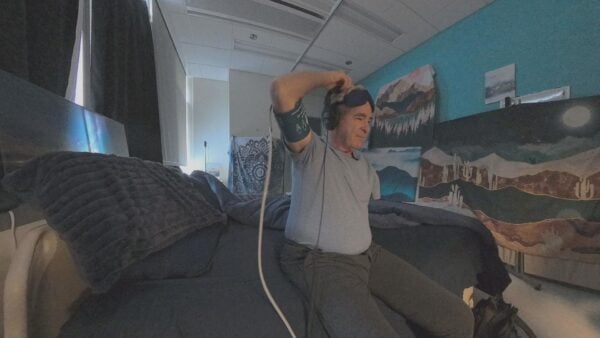
Using highly focused beams of ultrasound, his team at the Rockefeller Neuroscience Institute targets the specific regions of the brain hijacked by compulsive behavior, modulating neural circuits without surgery, without drugs and without a single incision.
The early results of focused ultrasound have been striking. Patients who struggled for decades with opioids, methamphetamine and binge eating report dramatic reductions in cravings, describing a quiet in their minds they have never known before.
O’Brien follows two patients through the process, bearing witness to both the extraordinary promise and the honest limitations of a treatment still finding its footing.
The technology is expensive, complex and available only to a handful of patients right now. But Rezai is already working on the next generation, a simpler, more accessible device that could one day bring this treatment to the millions who need it.

Go behind the scenes with host Elise Hu
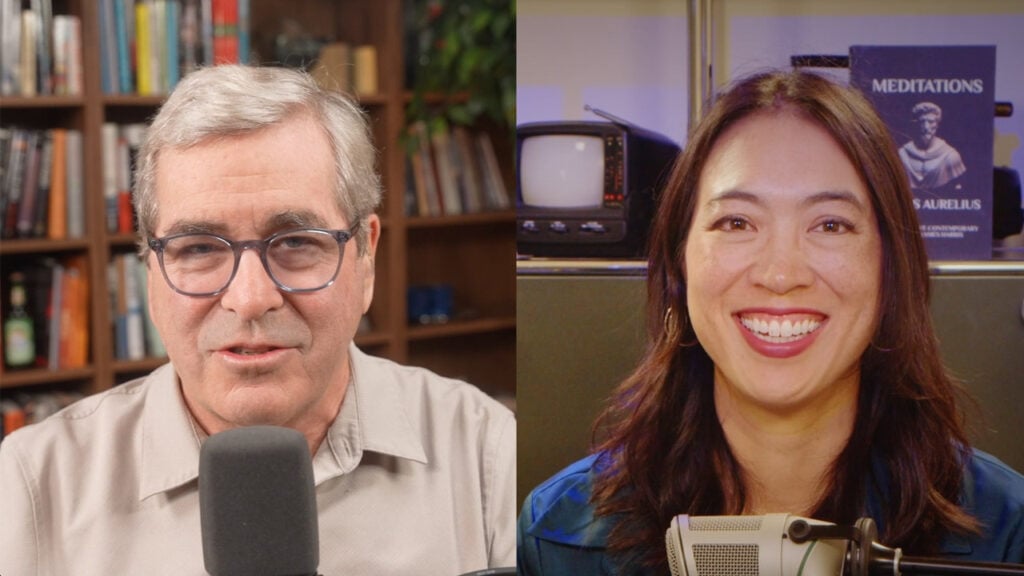
The “Resolve to Solve with Miles O’Brien Podcast” is the official companion podcast of the documentary series.
In this podcast episode, Miles and Elise discuss a groundbreaking medical intervention for addiction: focused ultrasound, pioneered by neurosurgeon Ali Rezai.
Miles reports on the clinical trial’s progress and delves into why the West Virginia region is so impacted by the addiction crisis, closing with how we can support our loved ones who struggle with addiction.