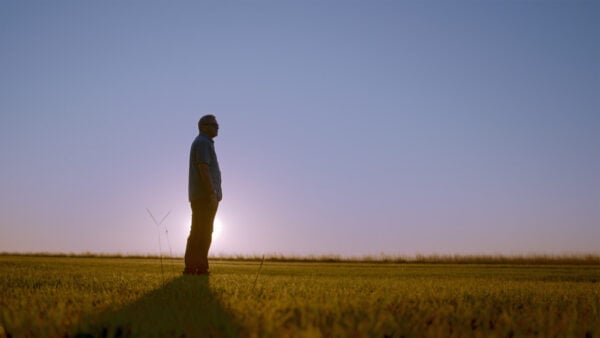
When explorer Albert Lin’s phantom limb pain vanished after one dose of psilocybin, he sought the science behind it.
In this episode, veteran science journalist Miles O’Brien, also an amputee living with phantom pain, travels to the Bay Area, where neuroscientist Gul Dolen is pursuing one of the most intriguing ideas in modern brain science: psychedelic therapy, the idea that psychedelic compounds may hold the key to reopening the brain’s so-called critical periods, the windows of accelerated learning that are most powerful in childhood and largely closed in adults.
Working from her new lab at UC Berkeley and drawing inspiration from the legendary Shulgin Farm, the home of pioneering chemist Alexander Shulgin who synthesized hundreds of psychedelic compounds in a tiny fireplace-heated lab in the hills east of the city, Dolen is exploring whether these compounds could unlock treatments for PTSD, depression, stroke recovery and chronic pain. The science is rigorous, the regulatory hurdles are real and the potential is enormous.
For O’Brien, this story is deeply personal. After he lost his arm years ago, he’s been living with phantom limb pain ever since, a condition where the brain continues to register pain in a limb that no longer exists.
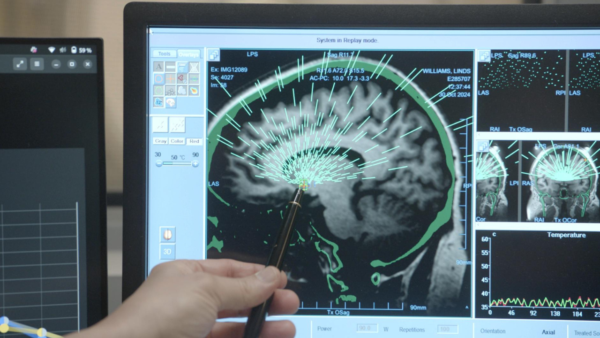
Dolen’s theory about critical periods suggests that a carefully guided psychedelic experience might help his brain finally learn to let go. O’Brien enrolls in a study to find out, making himself part of the story in a way that is both brave and revealing.

Go behind the scenes with host Elise Hu
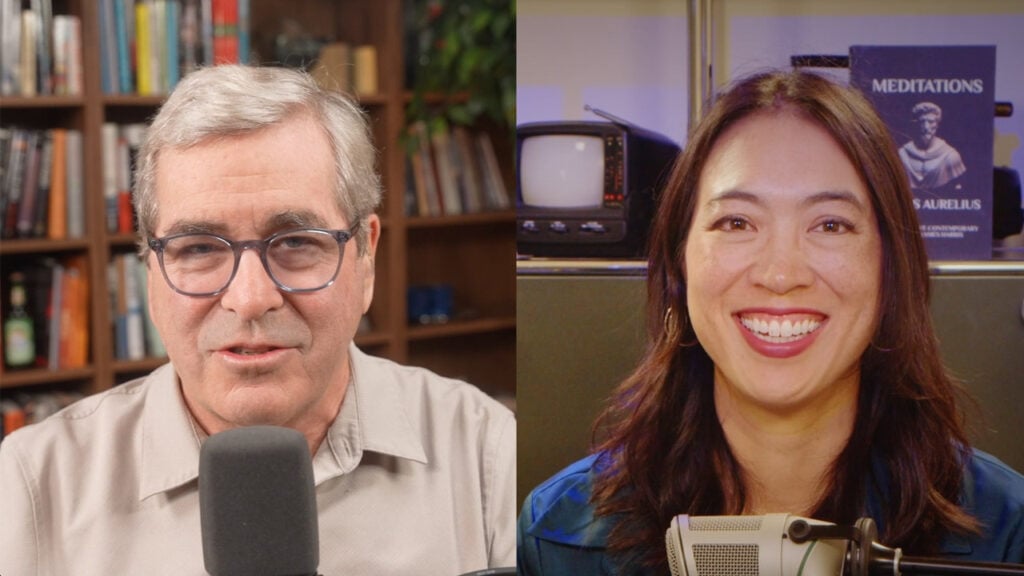
The “Resolve to Solve with Miles O’Brien Podcast” is the official companion podcast of the documentary series.
When a clinical trial testing psychedelics to alleviate phantom limb pain came on the “Resolve to Solve” radar, Miles figured he better sign himself up!
This podcast episode gives us a deep dive into Miles’ experiences, the highs and the lows. He can’t exactly say that he no longer experiences phantom pain, but he shares he did get something quite remarkable out of the treatment.