Liszt’s Piano Concerto No. 1
Nov. 12, 2025
Three Centuries of Brilliance: Mozart, Liszt, and Strauss with The Phoenix Symphony
A thread of inspiration runs through this week’s broadcast by The Phoenix Symphony—a musical conversation spanning three centuries, from the classical elegance of Mozart to the romantic fire of Liszt and the shimmering nostalgia of Richard Strauss. Together, these three composers trace the evolution of the symphony and concerto, each building upon the innovations of the last while leaving their own indelible mark on music history.
The program opens with Wolfgang Amadeus Mozart’s Symphony No. 39 in E-flat major, K. 543, written in 1788 during one of the most challenging periods of his life. Despite personal and financial turmoil, Mozart composed music of astonishing serenity and perfection. The 39th Symphony—one of his final three—shines with grace, wit, and architectural clarity. Its slow introduction gives way to music that feels both noble and tender, punctuated by moments of buoyant charm and humor. Here, the seeds of the future are already present: subtle rhythmic play, harmonic invention, and the sense that the music itself breathes. It’s no surprise that generations of composers would look to Mozart as a model of balance and expressive depth.
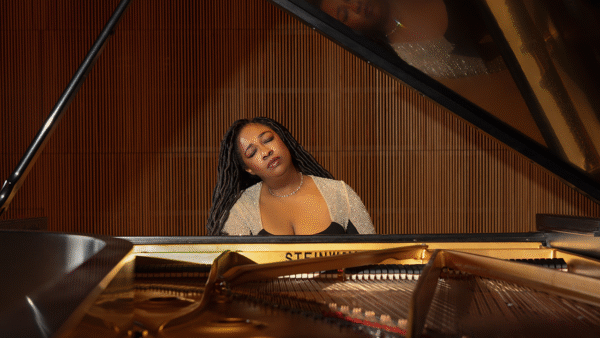
Among those profoundly influenced by Mozart was Franz Liszt, whose Piano Concerto No. 1 in E-flat major brings the virtuosic spirit of the 19th century to life. Liszt was not only a revolutionary pianist but also a composer who redefined what a concerto could be. Begun in his twenties and refined over two decades, the piece fuses dazzling keyboard fireworks with symphonic scope. It’s not a battle between soloist and orchestra but a conversation—fiery, playful, and sometimes tender. The concerto’s soaring melodies, martial rhythms, and delicate lyricism capture the essence of Romanticism: music as emotion unbound. Liszt expanded the form Mozart perfected, pushing it toward the grand and theatrical world that would inspire composers like Wagner and Strauss.
That lineage leads naturally to Richard Strauss’s Suite from Der Rosenkavalier, an orchestral valentine to Vienna’s golden age. Composed in 1911 as a comic opera and later arranged as a suite in 1944, Der Rosenkavalier is Strauss’s lush homage to Mozart’s The Marriage of Figaro—a world of elegance, humor, and human warmth. Yet, in true Strauss fashion, it’s filtered through a late-Romantic lens: waltzes that sway with bittersweet nostalgia, glittering orchestration, and sweeping melodies that evoke love and the passage of time. Where Mozart’s music illuminated human truth with grace, Strauss enveloped it in shimmering orchestral color.
Together, these three works form a kind of musical genealogy—Mozart’s classical clarity flowering into Liszt’s expressive grandeur, which in turn blossoms into Strauss’s sumptuous modern romanticism. Each composer found new ways to connect intellect with emotion, structure with spontaneity, and sound with story. Heard together, they remind us how the art of composition is a living continuum, always evolving yet always rooted in what came before.
Leading The Phoenix Symphony in this program is Austrian conductor Katharina Wincor, a rising star on the international stage. A prizewinner at the Mahler Competition in Bamberg and a former assistant conductor of the Dallas Symphony under Fabio Luisi, she has already appeared with leading orchestras from the BBC Symphony to the Detroit Symphony and Dresdner Philharmonie, earning acclaim for her expressive precision and dynamic presence.
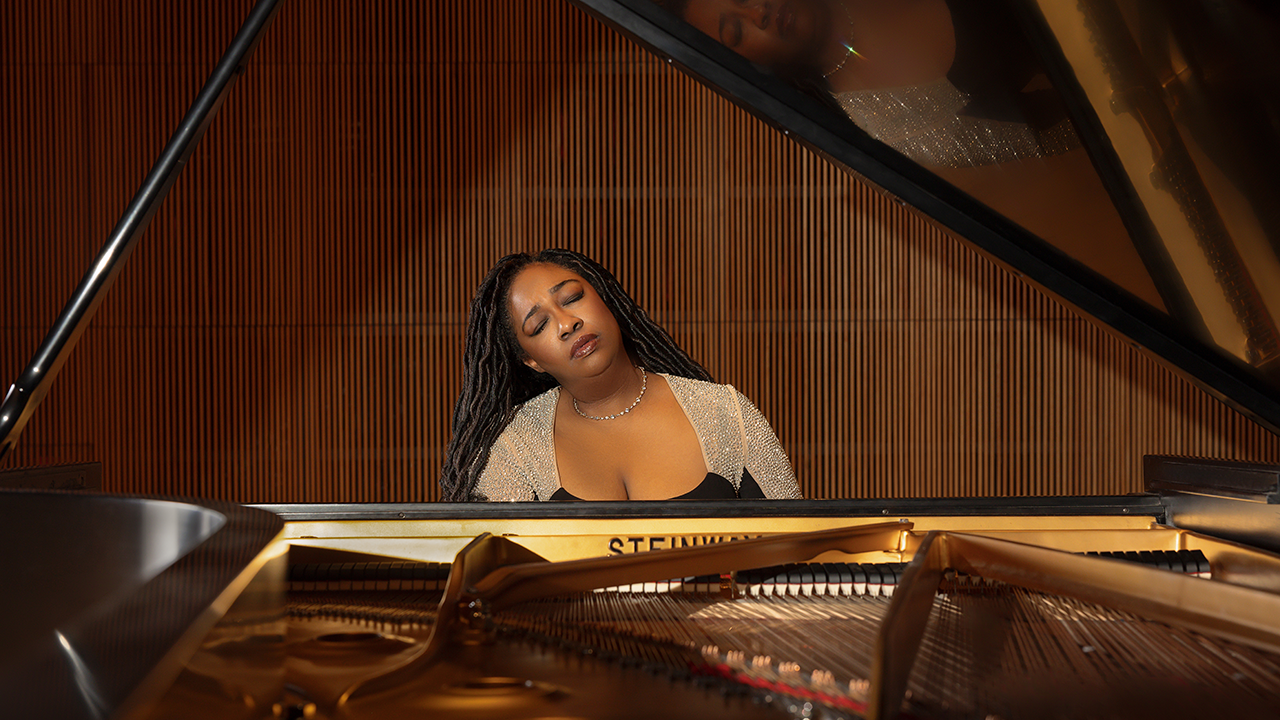
Joining her for the Liszt concerto is pianist Michelle Cann, celebrated for her artistry and passion. Hailed by Gramophone as “a pianist of sterling artistry,” Cann performs with major orchestras across North and South America and serves on the piano faculties of both the Curtis Institute of Music and the Manhattan School of Music. Her 2023 recording Revival and her GRAMMY-winning performance of Florence Price’s Piano Concerto have cemented her reputation as one of today’s most vital and expressive performers.
You can hear this concert on Wednesday night at 7:00 p.m. on KNAU Arizona Public Radio, in Dolby Digital Surround Sound on DTV 8.5 Classical Arizona PBS, and on Classical 89.5 KBACH.
Hosted by Mike Bolton, each broadcast from The Phoenix Symphony offers an evening of extraordinary performances that bridge centuries, styles, and souls — a reminder that the great conversation of music is still unfolding, one inspired phrase at a time.
Featured in this episode:
Mozart – Symphony No. 39
- I. Adagio-Allegro
- II. Andante con molto
- III. Menuetto (Allegretto)
- IV. Allegro
Liszt – Piano Concerto No. 1 – featuring Michelle Cann
- I. Allegro maestoso
- II. Quasi adagio
- III. Allegretto vivace – Allegro animato
- IV. Allegro marziale animato
Liszt – Hungarian Rhapsody – Michelle Cann, piano
Scott – Rachmaninoff’s Prelude in C Sharp Minor – Michelle Cann, piano
Korngold – Straussiana
Strauss – Der Rosenkavalier Suite
Mozart – Symphony No. 35, “Haffner” – Tito Muñoz, conductor
SPOTLIGHT





STAY in touch
with azpbs.org!
Subscribe to Arizona PBS Newsletters:
Gifts presented by Arizona PBS




Dec. 10, 2025
Handel’s Messiah – 2025
Dec. 3, 2025
Grand Canyon Suite
Nov. 26, 2025
Beethoven’s Ninth Symphony
Nov. 19, 2025
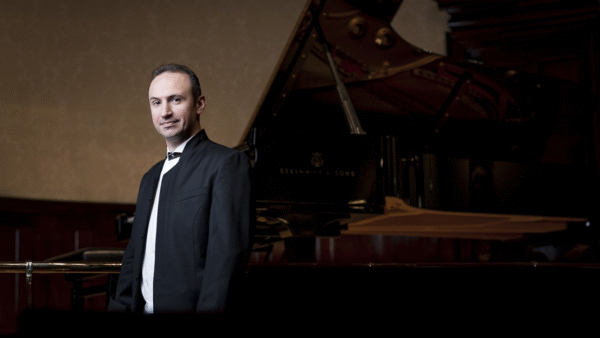
Tchaikovsky’s Piano Concerto No. 1
Nov. 12, 2025
Liszt’s Piano Concerto No. 1
Nov. 5, 2025
Symphonie Fantastique
Oct. 29, 2025
Daphnis and Chloe
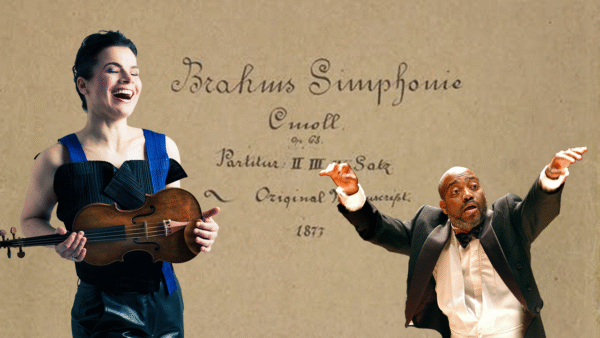
Oct. 22, 2025
Brahms’ Symphony No. 1
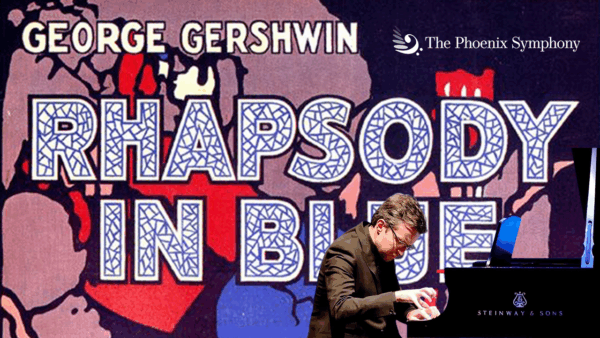
Oct. 15, 2025
Rhapsody in Blue: A 100th Anniversary Celebration
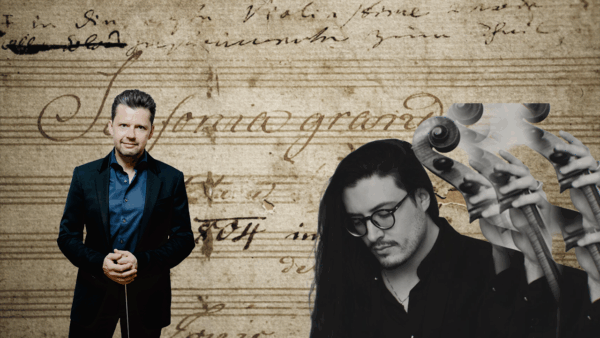
Oct. 8, 2025
Beethoven’s “Eroica” Symphony
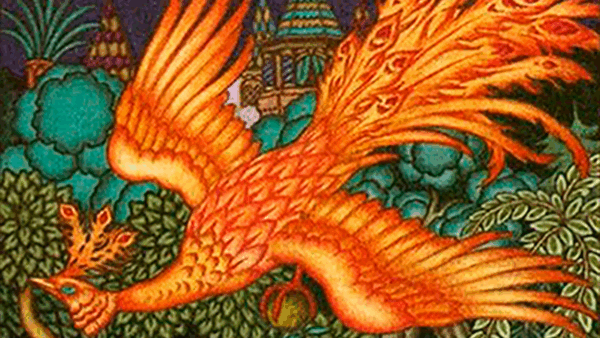
Oct. 1, 2025
Stravinsky’s Firebird
Sept. 22, 2025
The Planets
Dec. 5, 2024
Handel’s ‘Messiah’
Nov. 22, 2024
Mahler’s Symphony No. 2. “Resurrection”
Nov. 15, 2024
Mozart & Shostakovich: The Power of 10