The U.S. Supreme Court has ruled Native Americans should continue to have preference in adoption or foster care of Native American children. The 7-2 decision preserves the 1978 Indian Child Welfare Act (ICWA). It rejects a challenge by a white Texas couple who argued the law was a form of racial discrimination. Native American leaders argued the law helps protect their traditions and cultures.
The ICWA was put in place 45 years ago to address a widely spread practice in the 19th Century by the U.S. government and states of taking children from their Native American families in order to assimilate them into white America.
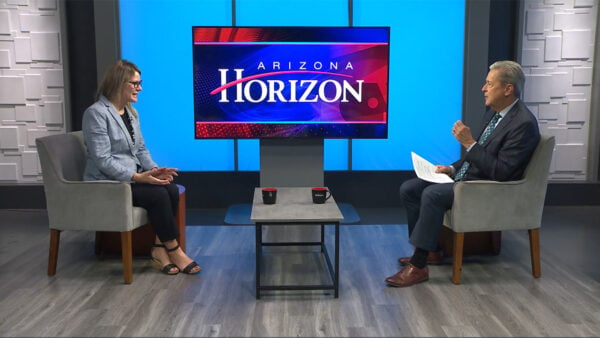
“Essentially what it boils down to is there was a huge debate before the Supreme Court about what the constitution says about Congress’ authority to legislate with respect to Indian affairs, and in all that, the question was whether or not Congress could pass a law like the Indian Child Welfare Act, and today the court held that they in fact could,” said Derrick Beetso, a member of the Navajo Nation and Director of Indian Gaming and Self-Governance at Sandra Day O’Connor College of Law at Arizona State University.
Beetso explained how the ICWA was passed to create guidelines at the state level on how tribes and Indian families can have a say in the adoption proceedings at the state court level. The original argument against the ICWA was that it discriminated based on race, but Native American tribes insist it is not about race, but about tribal sovereignty.
“Tribes as political bodies, preexist the Constitution, and they preexist the United States. Even the phrase “Indian reservation.” While millions of acres were ceded to the United States, what was reserved is that inherent tribal authority that continues to exist and existed before the Constitution,” said Beetso.