Supreme Court lifts restrictions on immigration stops in LA
Sept. 10, 2025
The Supreme Court on Monday lifted a federal judge’s order prohibiting government agents from making indiscriminate immigration-related stops in the Los Angeles area that challengers called “blatant racial profiling.”
The court’s ruling for now allows what critics say are roving patrols of masked agents routinely violating the Fourth Amendment and what supporters say is a vigorous but lawful effort to enforce the nation’s immigration laws. The majority’s failure to explain the ruling means that it is hard to say whether its reasoning applies nationwide or is limited to the Los Angeles area, where the administration has said that the problems flowing from illegal immigration are especially pronounced.
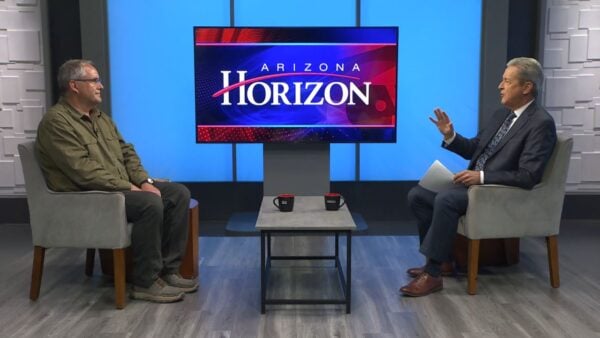
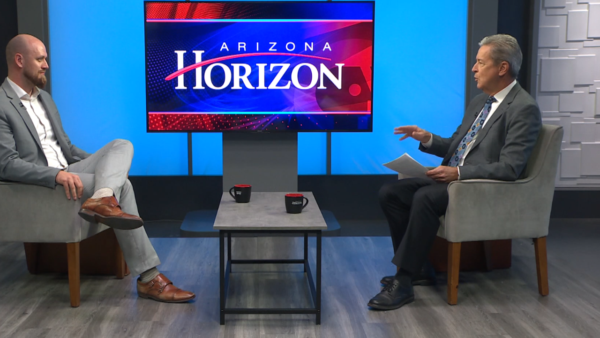
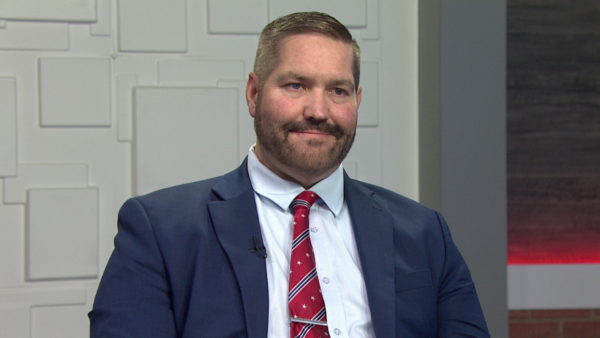
Stephen Montoya, Partner at Montoya, Lucero & Pastor, joined “Arizona Horizon” to discuss what the end of these restrictions means for the future of immigration-related stops by ICE.
Federal immigration requires reasonable suspicion to detain and question people. In Los Angeles, federal agents were just stopping hispanic looking individuals on streets where working people typically gathered. Some of these recent detainments have resulted in very physical interactions with Americans.
“A native-born citizen of the United States, grabbed, detained, they take away his cellphone, they take away his real ID and don’t give it back,” Montoya said. “He was only stopped based upon the way he looked.”
Laws for federal immigration exist under the confines of the Constitution. According to the Constitution, individualized suspicion is required in order to lawfully detain someone. Case laws reinstating this idea of reasonable suspicion that is in the Constitution goes back more than 50 years
The case is now in the federal appeals court meaning that it could go back to the Supreme Court. The district court could make the same ruling, send the case back to the Ninth Circuit which would then bring it to the Supreme Court again.
In this segment:
Also in this episode:
SPOTLIGHT




STAY in touch
with azpbs.org!
Subscribe to Arizona PBS Newsletters: