A new novel called “Stolen Legacies” explores the ongoing global effort to recover art stolen from Jewish families during the Holocaust. The book combines historical storytelling, legal analysis, survivor testimony, and modern case studies to explain why restitution is still as important today as it is complicated.
Drawing on her experience as a prosecutor and the granddaughter of two Holocaust survivors, the author of the book, Adena Bernstein, examines the legal systems, museum policies, international archives, and ethical duties that shape today’s restitution efforts.
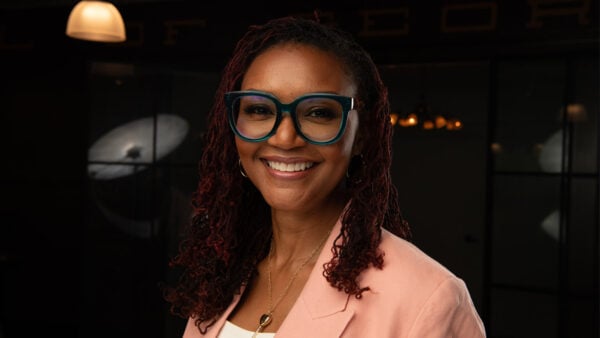
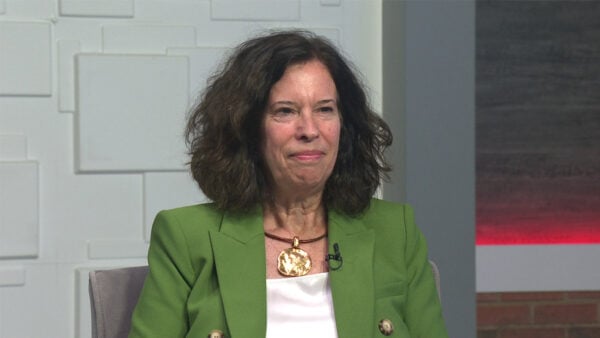
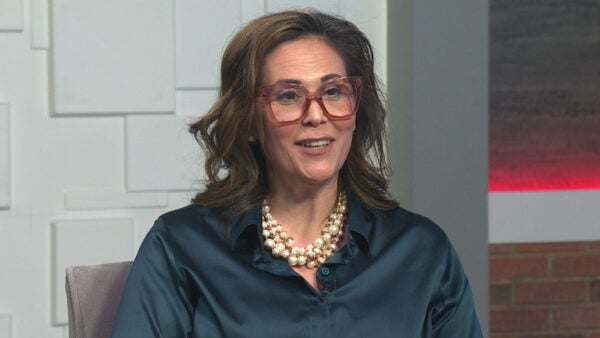
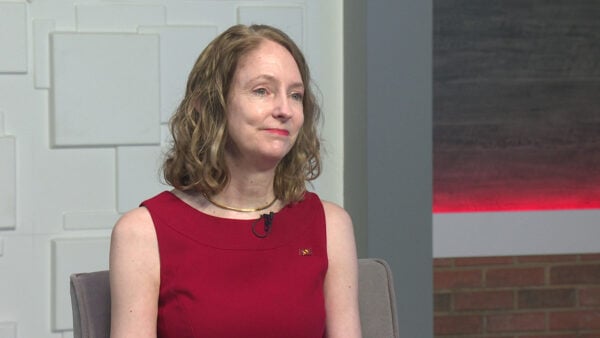
Adena Bernstein joined “Arizona Horizon” to discuss the effort that went into creating her novel.
“These were family heirlooms, these were collections that were passed down from generation to generation,” Bernstein said, “…when the Nazis came in and committed one of the largest thefts of our history, they really disrupted these legacies that families otherwise would have had.”
Historians estimated that about 600,000 objects were stolen from the Nazis, and roughly 100,000 of those still have not been found today. These art pieces were scattered all over the world and ended up in different museums, collections, and galleries.
“…a lot of people mistakenly think that after World War II, the artwork just got returned to the rightful owners, where in fact that did not happen,” Bernstein discussed, “…many of the rightful owners were, of course, murdered…and there was also a lack of documentation.”
Bernstein’s grandparents were, in fact, survivors of the Holocaust, but did not own any type of artwork during that time. Bernstein recalled the time when the Nazis invaded her grandmother’s hometown in Eastern Poland, and she was forced to give up anything of value.
“…and that included some Sabbath candlesticks,” Bernstein said, “…my grandmother was quoted…something of value that was passed down from generation to generation was a distinct sign of Destruction of the Jewish home, and it’s very similar to the artwork that would have otherwise been passed down to these other generations.”