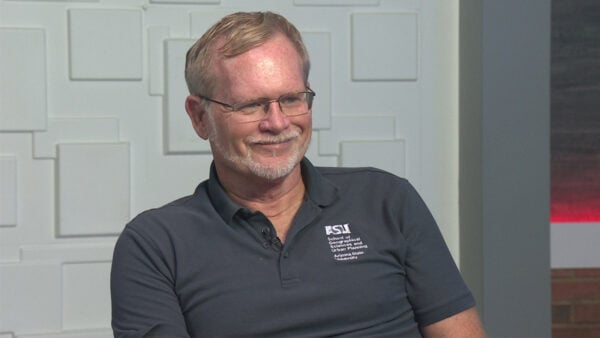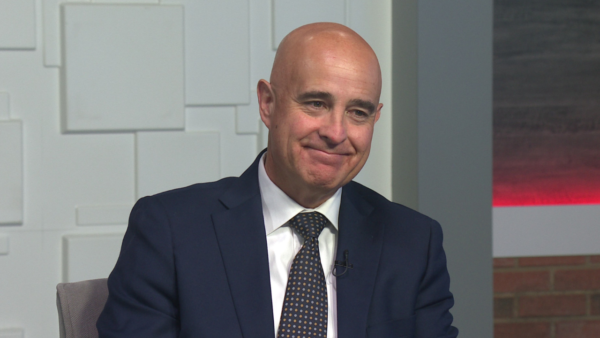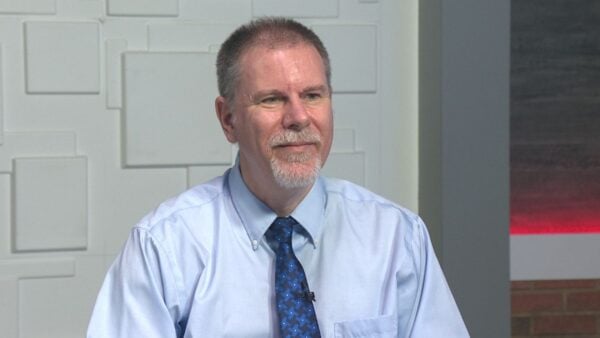
An Arizona State University (ASU) research team has developed tech tools to help combat loneliness and social isolation in retired military personnel, as Veterans are particularly vulnerable to social isolation.
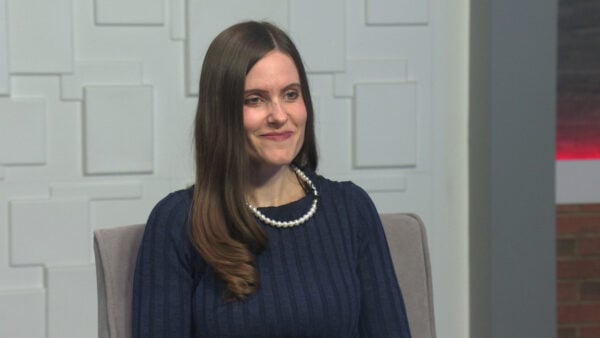
Nicole Roberts, Associate Professor of Psychology for the School of Social and Behavioral Sciences at ASU, joined forces with Ming Zhao, Associate Professor of Computer Science and Engineering for the School of Computing and Augmented Intelligence at ASU.
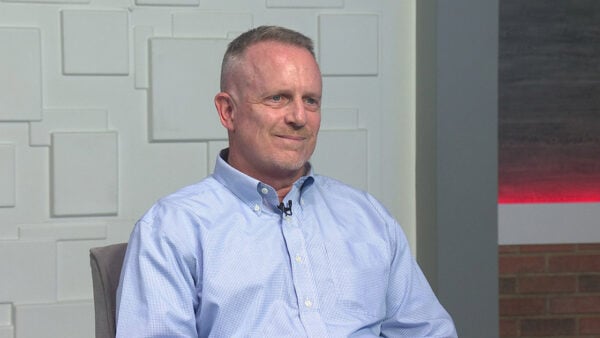
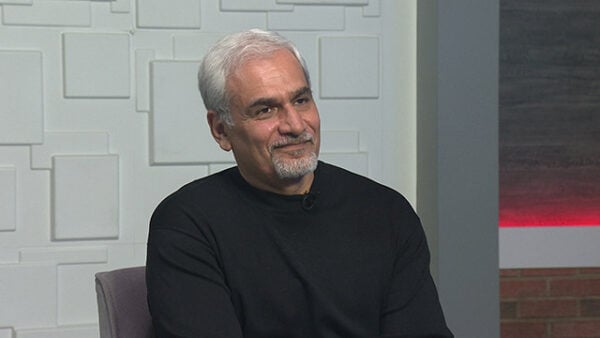
Together, they are part of a team of researchers who have been awarded a grant to develop artificial intelligence tools for edge devices that will improve health care outcomes for aging Veterans. Roberts and Zhao joined “Arizona Horizon” to discuss their work on the project.
The project is supported by the grant called EdgeCare. Edge devices are small electronics, like cellphones, smartwatches, and doorbell cameras, that are becoming an important part of day-to-day life.
The ASU research team is essentially trying to create an AI-powered digital assistant that will run on a small device in the Veteran’s home. EdgeCare will connect to the cloud to have access to important information, like language, libraries, and medical databases.
“It is bringing technology to veterans and older adults to help with social health,” Roberts said.
Roberts explained how social health is central to brain health, and emphasized how important it is to find ways that older adults and veterans can connect with their communities, and connect by way of Edge devices.
“Those are devices that the users interact with, and they are also devices they actually interact with the physical things,” Zhao said, “…such as cameras, your security cameras, your doorbells. Those are all considered devices.”
According to Zhao, the goal is to take all the data that is connected by the Edge devices, and use the data in collaboration with AI to help understand the social health of users, and provide recommendations.