Trump adds a $100,000 fee to H-1B visa applications
Sept. 22, 2025
President Trump continued his sweeping crackdown on immigration by signing a new proclamation to a visa program for skilled foreign workers. It adds a $100,000 fee for new applicants for H-1B visas, which allow foreign workers, such as software engineers, to be employed in the United States.
The H-1B visa is designed to help companies fill openings for which American workers with similar abilities cannot be found. But critics have long argued that the visa allows companies to replace American workers with foreign ones.
Congress passed legislation creating the H-1B program in 1990, as a labor shortage loomed. Employers have utilized these visas, which are valid for three years and can be extended, to hire foreign workers with specialized skills, primarily in science and technology. Employers submit a petition to the government on behalf of a foreign worker they want to hire, describing the job and the qualifications of the person selected to fill it. The H-1B program confers temporary status in the United States, not residency. However, many employers eventually sponsor workers with H-1B visas for a green card, which puts the person on a path to U.S. citizenship.
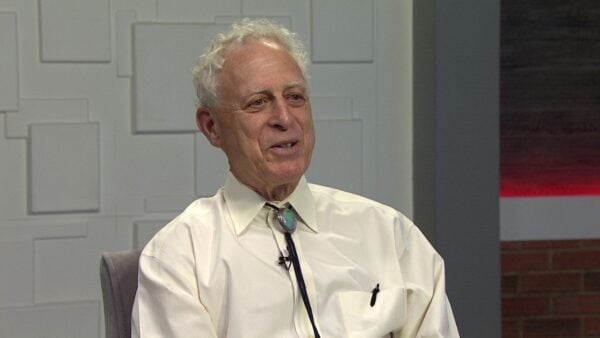
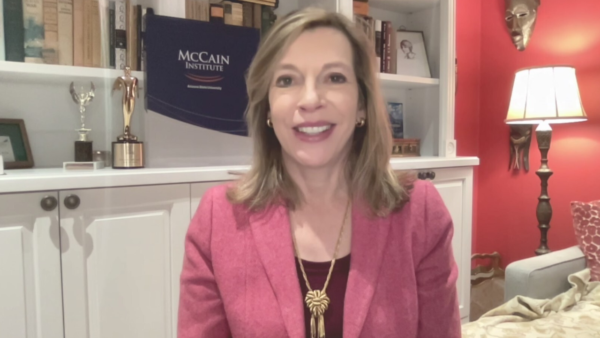
Elizabeth Chatham, Immigration Attorney, joined “Arizona Horizon” to discuss more on how this new order affects big businesses and their international workers.
The idea behind the $100,000 fee is to encourage companies to hire American employees. However, Chatham says there are ways companies could potentially get around paying the fee.
“Because of the way this particular proclamation is written, it’s very broad. So it’s going to affect small employers, maybe even public schools, or charter schools that can’t afford to pay a $100,000 fee,” said Chatham.
She says that the broadness of the proclamation will allow for exceptions for companies to avoid paying. It is unclear what these exceptions could be.
Chatham says that there is a total number of 85,000 available visas in the U.S., while there is anywhere between 300-500,000 applicants. While these applicants are completing for the visas, Chatham says that one of the biggest complaints for the Administration is that a large number of the available visas are being absorbed by companies within the H-1B program.
In this segment:
Also in this episode:
SPOTLIGHT







Full Episode March 20
Iran War Update; AZ Diamondbacks Home Opener; 48 Arizona Women





Full Episode March 18
Record-breaking heat in Phoenix; Holocaust novel; Phoenix Zoo VR experience