Arizona Child Fatality Report highlights a rise in preventable deaths
Dec. 16, 2025
Arizona officials recently released the annual “Arizona Child Fatality Report,” highlighting some key information from the past year.
According to the report, roughly half of the deaths are preventable, with the majority of fatalities including motor vehicle crashes, firearms and suffocation. However, more children are dying from infectious diseases that vaccines might have prevented. This past year, 109 children died of infectious diseases, compared to 93 the year prior.
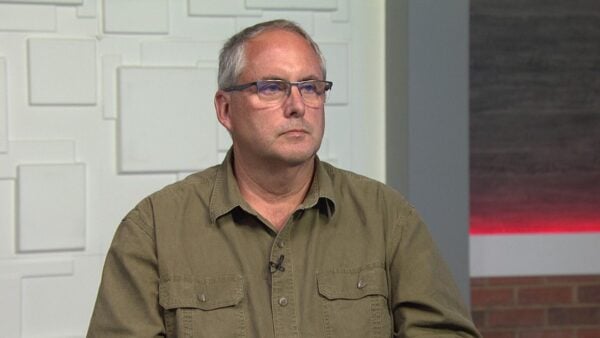
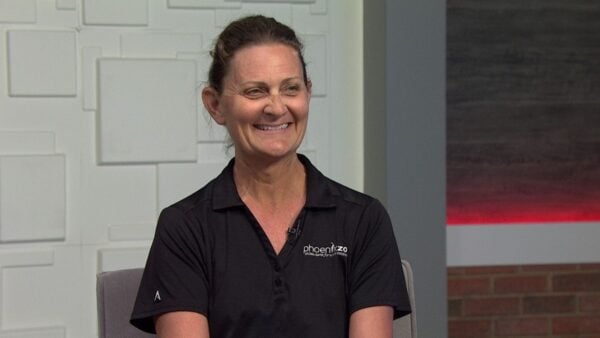
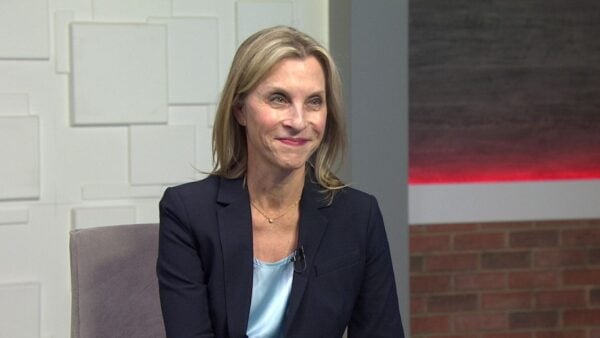
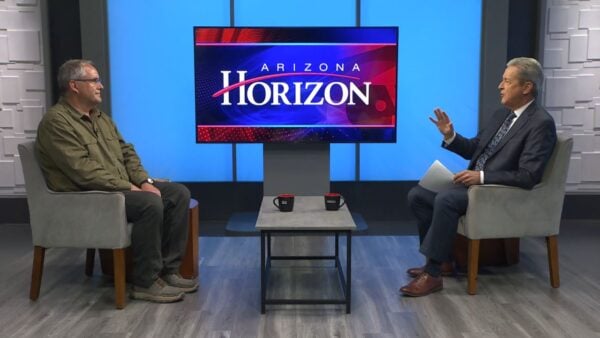
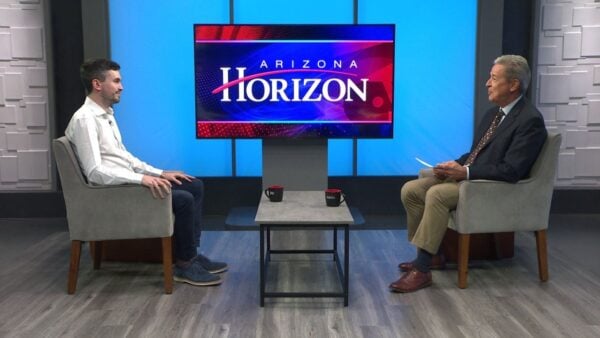
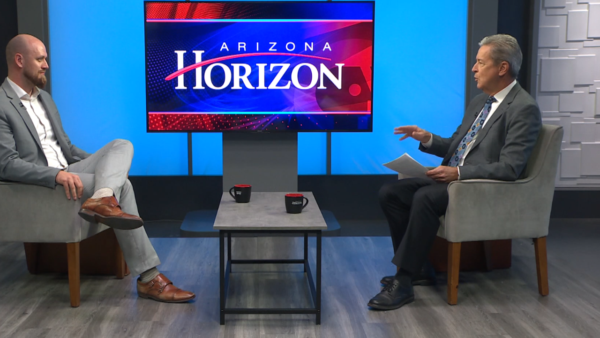
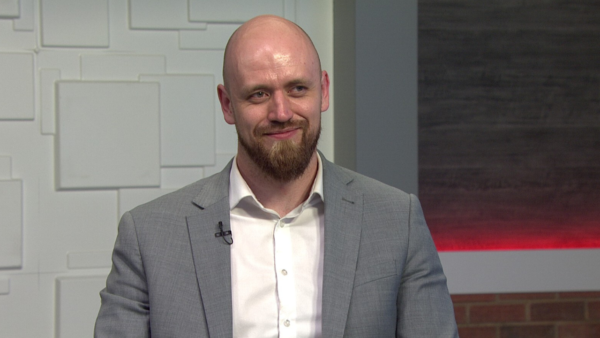
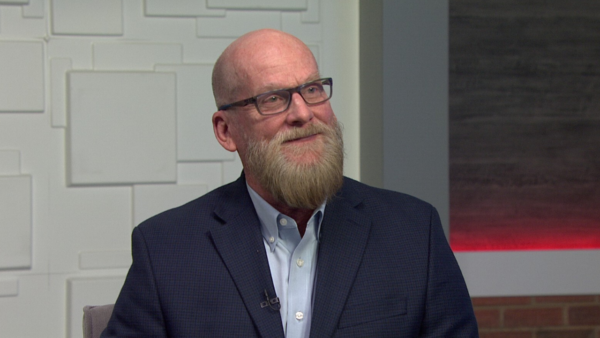
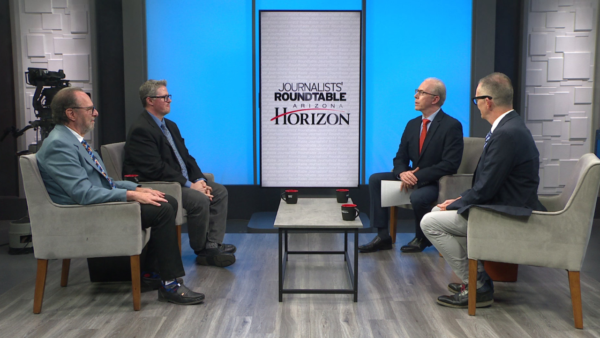
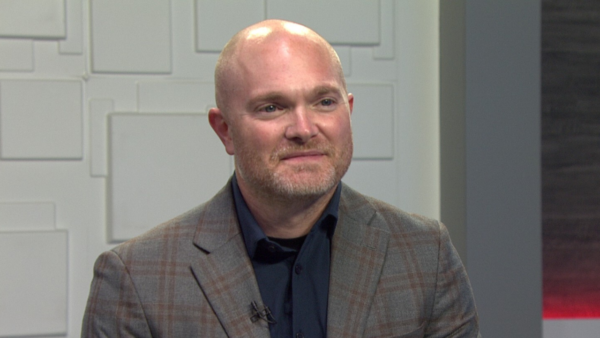
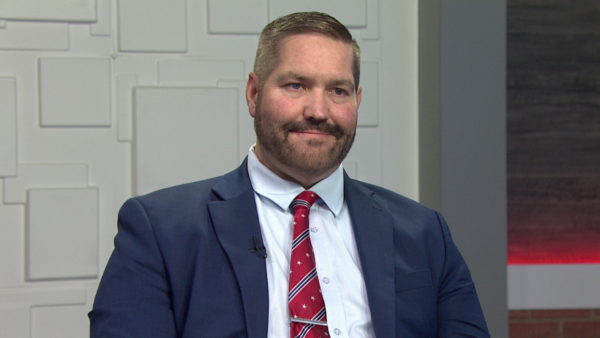
Lexi Benner, Injury Prevention Specialist at Phoenix Children’s, and Dr. Jon McGreevy, Div. Chief of Emergency Medicine at Phoenix Children’s, joined “Arizona Horizon” to discuss general trends, takeaways and reminders for parents following the release of the report.
“It’s something we’ve had in our state for little over 30 years, that looks at all the fatalities of children, and looks for ways that our community can intervene to, of course, make that less each year,” Dr. McGreevy said.
Dr. McGreevy explained how several teams observe and report on various counties throughout the state. One aspect of the report saw an increase in drowning deaths around the state, many of which were preventable.
“…they are 100% preventable,” Benner said, “…which is why we look at those leading contributing risk factors, and we’ve seen that lack of supervision has been a leading one for many years now.”
Living in Arizona means you could be exposed to extreme heat and temperatures, causing many to suffer from heat-related deaths.
“…there are some things regarding supervision that would really help make a difference,” Dr. McGreevy explained, “…whether that’s changing your routine, or whether that’s not hiking on a hot day.”
Reports indicate there has been an increase in infectious disease deaths, as Dr. McGreevy emphasized that Arizonans should be more aware of what is going on with vaccinations.
“We can advocate within our community to make sure that we follow best practices, that we reach out with our community partners, and engage them as well…so that we can help address what parents and families are concerned about,” McGreevy said.
In this segment:
Also in this episode:
SPOTLIGHT



STAY in touch
with azpbs.org!
Subscribe to Arizona PBS Newsletters: