Three major breakthroughs in pancreatic cancer research
Dec. 1, 2025
Pancreatic cancer is often called the silent killer, since about 80% of pancreatic cancers are found when the disease is in its most advanced stages, making it more difficult to treat. But thanks to promising new research, this is starting to change. Banner MD Anderson Cancer Center has three major research breakthroughs that are changing the game for oncologists
These breakthroughs include:
• Finding ways to make immunotherapy effective for pancreatic cancer.
• Starting to overcome drug resistance with combination therapies.
• Developing a new generation of cancer vaccines.
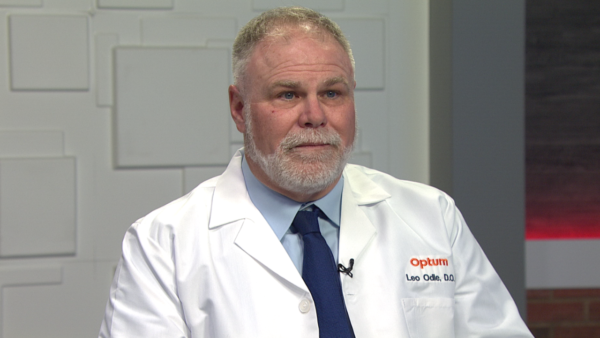
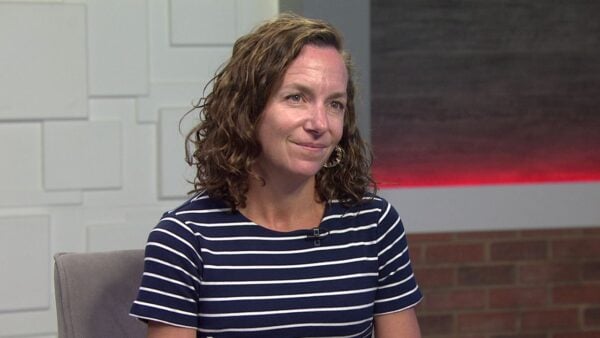
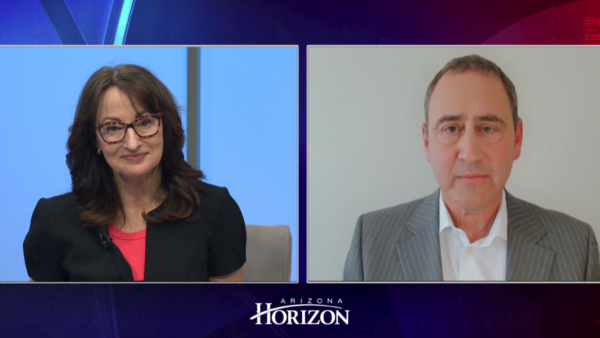
Dr. Madappa Kundranda, Division Chief of Cancer Medicine, Banner MD Anderson Cancer Center, joined “Arizona Horizon” to talk more about these breakthroughs in pancreatic cancer research.
Traditional immunotherapy, she explained, has existed for more than a decade, but pancreatic tumors have historically resisted its effects. Researchers are now learning how to modify immune cells, strengthen them, and return them to the body to directly target cancer.
“Now we are trying to modulate the cells and reinsert them back into the body and fight the cancer directly,” Kundranda said. “It’s been fascinating. I think it’s the start of where we’ll start changing the way we look at pancreatic cancer.”
Another breakthrough involves pairing chemotherapy with immunotherapy in ways once thought incompatible.
“Initially, we thought chemotherapy with immunotherapy wouldn’t work,” she said. “We realized you can work together, with the chemotherapy helping with the immunotherapy to make it more effective.”
Perhaps most groundbreaking is vaccine research aimed at preventing recurrence—one of pancreatic cancer’s deadliest patterns. Even in early-stage patients, recurrence rates hover around 40%.
“We need to figure out how to prevent that,” Kundranda said. “The vaccine we look at right now is trying to prevent that from happening… the initial results we have seen are promising.”
Kundranda, who has treated pancreatic cancer patients for two decades, said the recent progress gives her rare optimism.
“Being a cancer doctor is not easy because of the outcomes,” she said. “But we are making advances… that’s what keeps me up at night and excites me in the morning.”
She urged patients to pay attention to symptoms and consult their physicians early, especially as cases rise among younger adults.
“Don’t ignore the symptoms,” she said. “Evaluate appropriately.”
In this segment:
Also in this episode:
SPOTLIGHT




STAY in touch
with azpbs.org!
Subscribe to Arizona PBS Newsletters:
Gifts presented by Arizona PBS



Full Episode March 4
Who controls Maricopa County elections; U.S. hockey win controversy; notMYkid milestone


Full Episode March 3
Conflicts escalate in the Middle East; school vaccine mandates; Pony Express
Full Episode March 2
Iran war; ASU Community Collaborative; International pianist Gile Bae