Getting a good night’s rest can fuel your energy and your heart health. A new study by the Journal of the American Heart Association renews attention on the link between sleep and heart health, particularly among women.
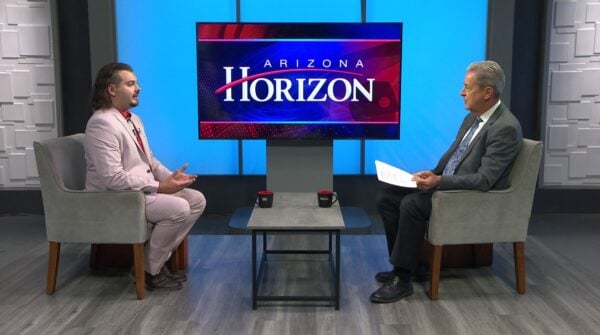
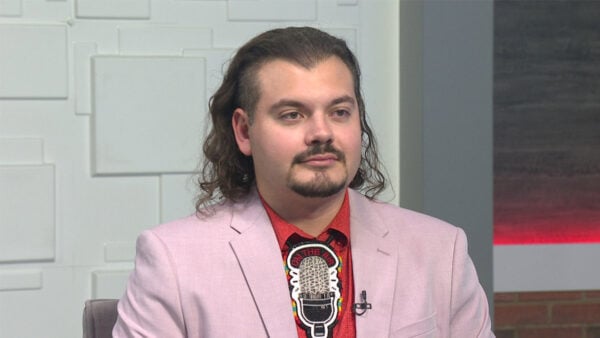
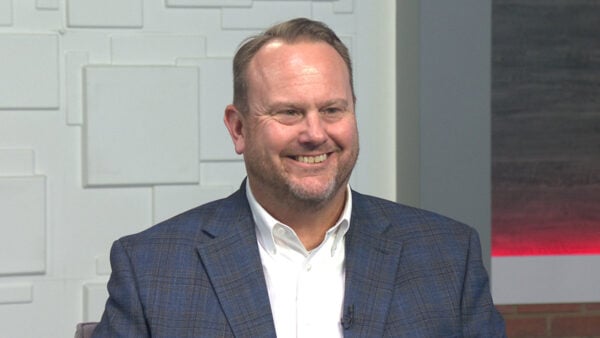
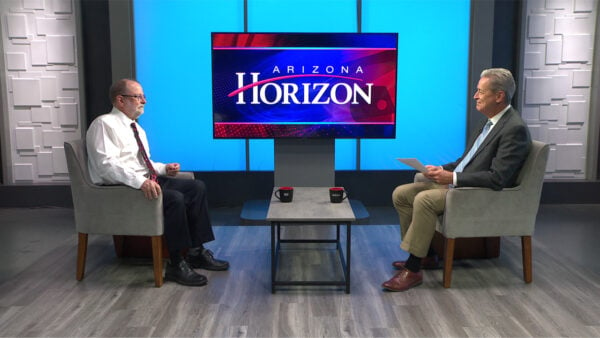
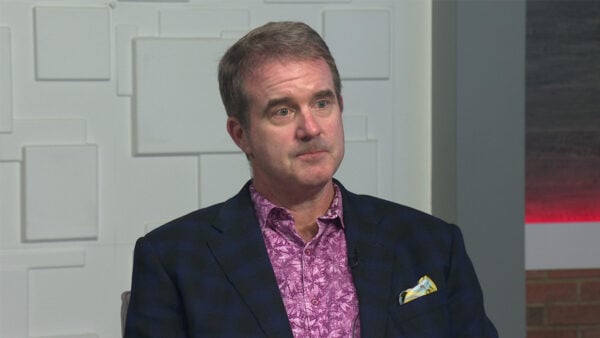
Dr. Leo Odle, a primary care physician, joined “Arizona Horizon” to give some tips for proper sleep hygiene and discuss how much sleep you really need.
Heart disease is the leading cause of death for women, men, and most ethnic groups. The study found that the later you stay up, the poorer your cardiovascular health.
“Being a night owl doesn’t necessarily lend itself to having healthy habits,” Dr. Odle said. A night owl, or evening person, is defined as someone who prefers to be more active or awake late into the night, according to Merriam-Webster. “[For instance] when you get off work late at night you’re eating fast food instead of having a more healthy meal. You are not exercising regularly.”
Poor sleep, which often accompanies a night owl’s habits, is associated with heart disease risk factors such as high blood pressure, according to Dr. Odle.
Even factoring in the Center for Disease Control and Preventions recommend seven or more hours of sleep while being an evening person will only slightly decrease these risks due to circadian rhythms. Circadian rhythms, or lack thereof in a night owl’s routine, can also contribute to heart disease.
“We need light to function with our circadian rhythms,” Dr. Odle said. The cortisol levels in your body go up and down throughout the day. Those cortisol levels can effect how sticky red blood cells and are more likely to have heart attacks at different times of the day if you’re out of sync.”
The study found the women are particularly associated with being night owls.
Dr. Odle added, “Women have a lot of pressure on them. They’re doing everything from working to taking care of family. Mothers work very hard, a lot of them do shift work, nursing and so forth. When they get off work late at night they might not make the best choices, may not be ready to go exercise and do those things they need to do.”