Colorado River basin states try to come up with a solution to water sharing
Feb. 5
Governors of Colorado basin states have been battling back and forth over a solution to water sharing. However, a solution has yet to be found.
The Colorado River supports 40 million people reaching from Wyoming to the U.S. Mexico border, alongside an additional 5.5 million acres of farmland, and American Indian tribes.
Basin states remain divided over whether the downstream states of Arizona, California, and Nevada must limit their current water supply to ensure that upstream states like Colorado, Utah, New Mexico, and Wyoming can grow using supplies that were promised a century ago, but stripped by climate change.
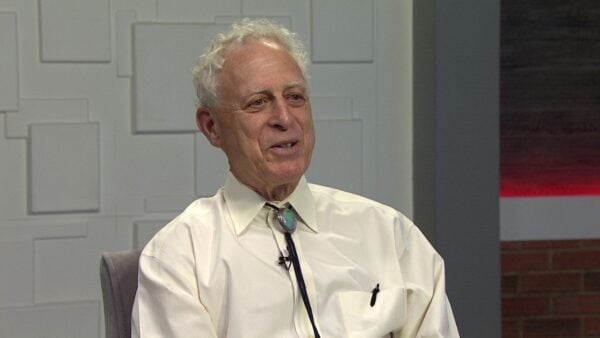
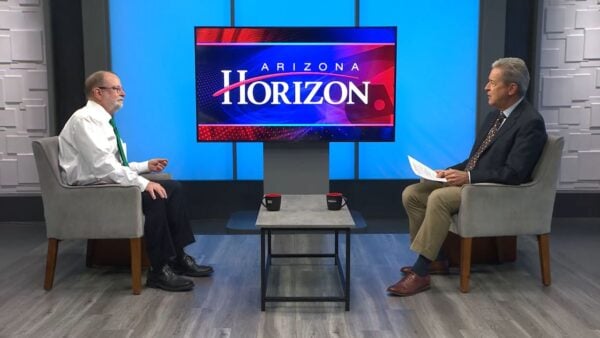
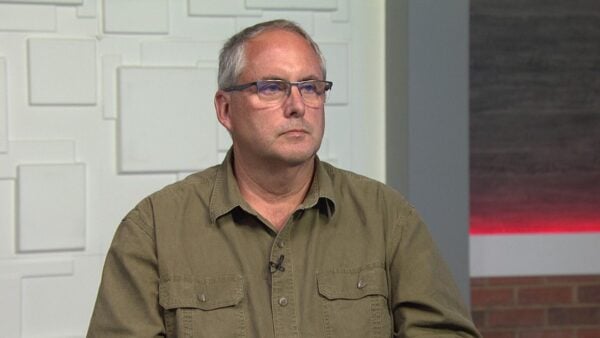
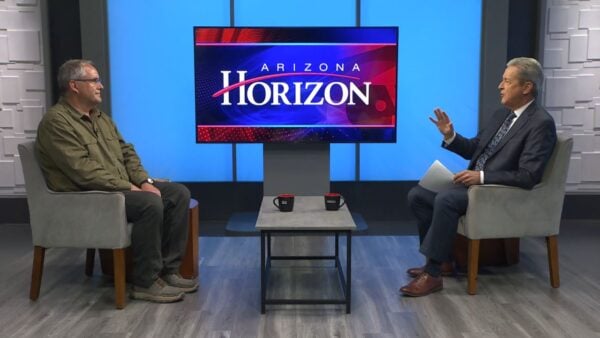
Tom Buschatzke, Director of the Arizona Department of Water Resources, joined “Arizona Horizon” to discuss the ongoing negotiations.
“We saw in that meeting a willingness by the other governors,” Buschatzke said, “…to move forward and to get involved in more serious negotiations, and to put something on the table that is meaningful, and something on that table…that is equitable to what…the Valley has put on the table.”
Buschatzke emphasized that by mid-July, the states must come to an agreement because the operations of the river and the dam have to kick in on Oct. 1, 2026.
“That’s gonna happen one way or the other,” Buschatzke explained, “…if there’s no deal, the feds are gonna have to impose something upon all of us.”
According to Buschatzke, the four upper basin states have had minimal discussions on putting any certain reductions on use.
“…but in those four states collectively, that’s in the three to maybe five percent of their demand…you compare that to 27% in Arizona, I’m not sure that that’s equitable,” Buschatzke said, “…that’s been one of the sticking points.”
In this segment:
Also in this episode:
SPOTLIGHT






Full Episode March 20
Iran War Update; AZ Diamondbacks Home Opener; 48 Arizona Women




Full Episode March 18
Record-breaking heat in Phoenix; Holocaust novel; Phoenix Zoo VR experience