New research challenges beliefs on early human equality
March 17
For years, many scientists believed that early human hunter-gatherer societies were largely equal, with little to no leadership or hierarchy. Many strong inequalities we see today appear later with farming and complex societies. However, new research out of Arizona State University contradicts that belief.
Psychological research and ethnographic studies suggest that inequality in influence, who people follow and listen to, may have been part of human societies deep in our evolutionary past. The findings suggest that leaders were not chosen by aggression, strength, prestige or fighting ability.
Leaders rose to the top because others felt they were knowledgeable, skilled, successful and trustworthy. This research may help understand the path to leadership and how to better interact with each other.
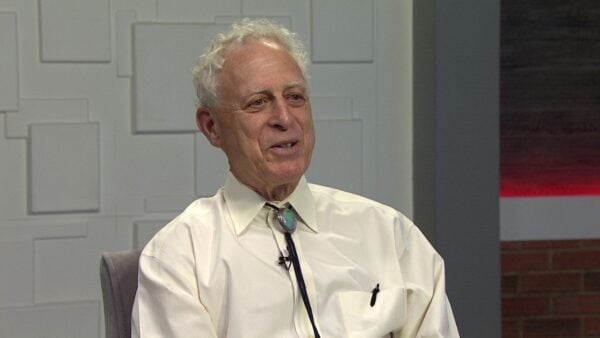
Dr. Thomas Morgan, Evolutionary Anthropologist at Arizona State University, joined “Arizona Horizon” to discuss more about the research and what the findings mean.
In this segment:
Also in this episode:
SPOTLIGHT




STAY in touch
with azpbs.org!
Subscribe to Arizona PBS Newsletters:






March 13
Journalists’ Roundtable: Arizona Senate releases 2020 election recount records to FBI and more



Full Episode March 12
Maricopa County elections, global supply chain, Desert Botanical Garden’s new CEO