Arizona Supreme Court rules clergy members aren’t required to report abuse learned in confession
Aug. 19
More from this showThe Arizona Supreme Court has ruled clergy members are not required to report child abuse if they learn about it during a religious confession. The decision protects what church leaders call the “seal of the confessional” and comes after an ongoing case involving the Church of Jesus Christ of Latter-day Saints and allegations that two bishops failed to report abuse.
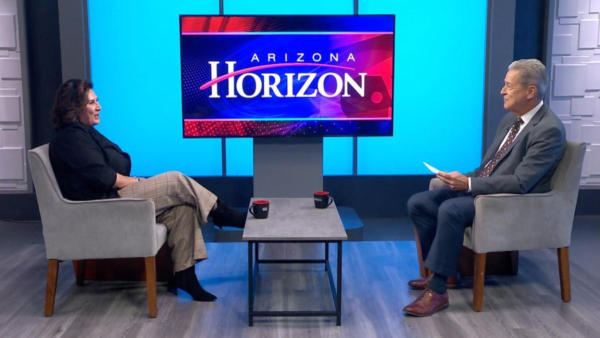
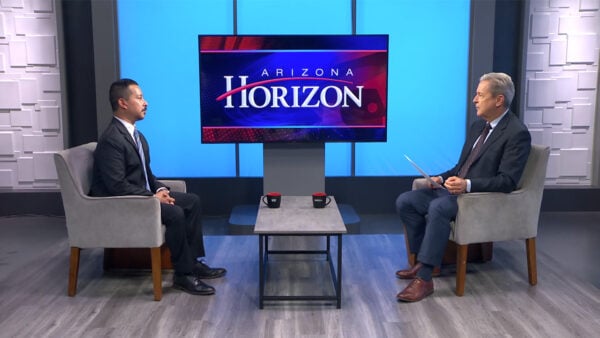
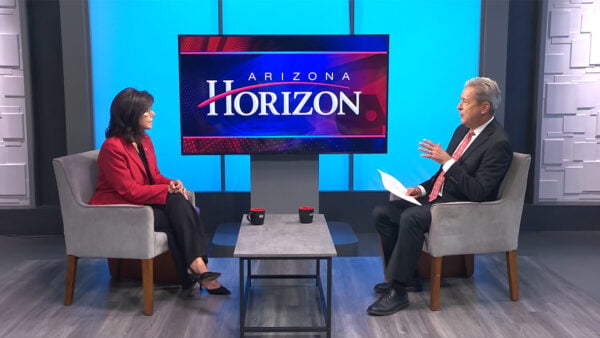
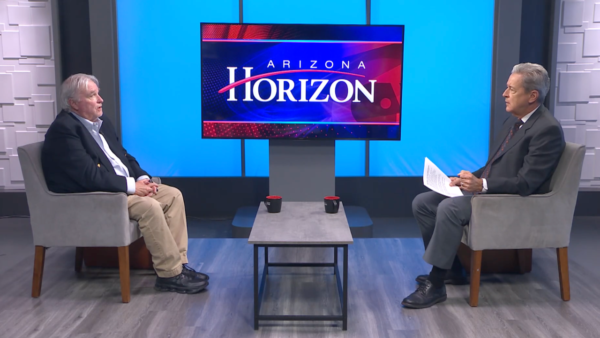
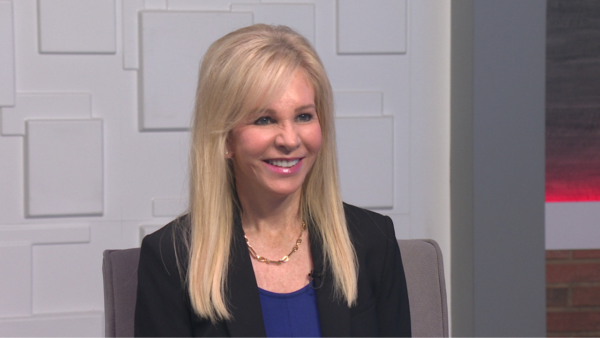
Stephen Montoya, a partner at Montoya, Lucero and Pastor, joined “Arizona Horizon” to help better understand what this ruling means and discuss its ethical implications.
“I’m not surprised that some of the justices would have gone along with the exemption and the tradition of allowing clerics, priests and so-called ‘self-proclaimed’ clerics and priests to place themselves above the law,” Montoya said.
He discussed the long-standing history of abuse perpetuated by penitent-priest privilege, but also pointed out that the church has changed its rules to allow clerics to report abuse.
“Now, confessions to LDS priests or bishops are not confidential if holding it confidential would … threaten the welfare of children or anyone’s physical welfare.”
Especially given the church’s exceptions to former confession rules, Montoya expressed his disapproval of the unanimous ruling to allow abuse to remain confidential under the law.
“The fact that this decision was unanimous suggests that the Court is really marching to the same tune and that is not a good things if you are marching in the wrong direction,” he said.
He referenced a U.S. Supreme Court case from 1990, Employment Division vs. Smith, which ruled that the Free Exercise Clause of the First Amendment does not excuse people from obeying generally applicable laws just because the law conflicts with their religion. Montoya claimed that ruling is especially true in reference to a criminal law designed to protect children.
Montoya encouraged the Arizona legislature to take matters into their own hands by overruling the exemption or creating exceptions to it, like other states have.
“No one is above the law under our Constitution, including priests and clerics,” Montoya said.