Voters show support for Valley public schools by passing bonds and overrides
Dec. 5, 2025
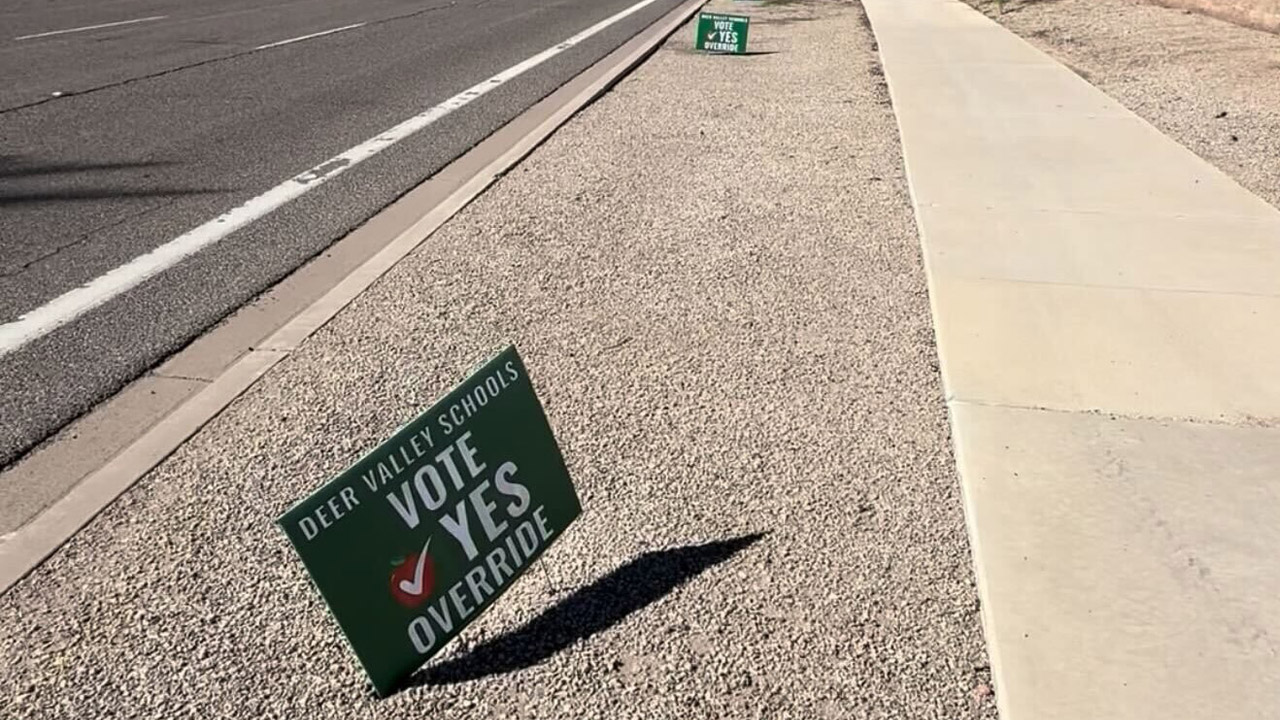
The majority of Arizona voters supported their public school districts by passing bond and override initiatives earlier this month.
Educators explain bonds and overrides have become a necessity for schools to keep much needed student programs, staff salaries and cover major expenses. Even so, getting these measures passed only makes a small dent in the budget deficit compared to the total lack of state funding for public schools.
Arizona ranks last in the country when it comes to public education, according to a Consumer Affairs report. The report looked at test scores, graduation rates, the amount of funding schools receive, class sizes, safety and the quality of higher education.
Then in August, a Maricopa County Superior Court ruled in favor of school districts and found Arizona consistently and unconstitutionally underfunded public schools. Attorney Danny Adelman with the Arizona Center for Law in the Public Interest, who took the case, said over the years the legislature cut hundreds of millions of dollars from public schools. The case represented schools across the state that were lacking in funds and in need of repairs, including leaking roofs, air conditioning units and even schools lacking access to clean water.
The lack of funding leaves school districts and communities reliant on bonds and overrides in an attempt to make up for the state’s insufficiency. Bonds and overrides help raise additional funds for school districts by temporarily raising property taxes for homeowners, according to advocacy group Education Forward.
Opposition voters voiced their concerns in Maricopa County about the bonds and overrides in voter guides, stating public schools don’t manage their finances appropriately and need to be held accountable for mismanaging money.
Others who support these measures point out public schools are required to be transparent about their finances during public board meetings, while private schools, the Empowerment Scholarship Account (ESA) program and charter schools are not held to the same standards.
How do bonds and overrides help fund schools?
Bonds help fund new schools, building improvements, buses, equipment and other major projects.
Overrides can provide additional money to support teacher salaries, programs such as full-day kindergarten and extracurricular activities.
Both measures must be placed on ballots for voters to decide on passage. More than 20 school districts across the Valley held bond and override elections in November 2025.
Which school districts had bonds and overrides that passed?
- Arlington Elementary
- Buckeye Elementary
- Buckeye Union High School
- Chandler Unified
- Deer Valley Unified
- Dysart Unified (override passed, bond failed)
- Fowler Elementary
- Isaac Elementary
- Kyrene Elementary
- Murphy Elementary
- Phoenix Elementary
- Phoenix Union
- Roosevelt Elementary
- Tempe Elementary
- West-MEC
Which school districts had bonds and overrides that failed?
- Dysart Unified (override passed, bond failed)
- Higley Unified
- Pendergast Elementary
- Peoria Unified
- Saddle Mountain Unified
- Tolleson Union
How do teachers feel about the election results?
Arizona Education Association President Marisol Garcia, who manages the state’s labor union for public school teachers, said in a press release:
“Arizona’s public schools are among the worst-funded in the nation. As state lawmakers continue to neglect public education, districts are struggling to cover the rising costs of basic supplies, safety upgrades and the programs our students need,” Garcia said. “We hope Tuesday’s results remind lawmakers that Arizona voters — their constituents — believe in the promise of well-funded public schools.”
Garcia added, “To the handful of districts where bond and override measures fell short, please know that our fight is not over.”

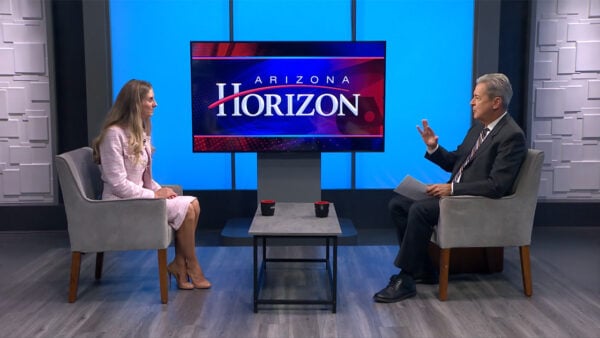
Reporting by “Arizona Horizon” Education Solutions Reporter Roxanne De La Rosa. Her role is made possible through grant funding from the Arizona Local News Foundation’s Arizona Community Collaborative Fund and Report for America.