Proposition 316, on the ballot in November 2026, is looking to limit grocery tax increases. Proposition 316 would stop cities or local tax jurisdictions from increasing the sales tax on groceries above 2% of the base price. The proposition would also require any city or local tax jurisdiction seeking to increase the sales tax on groceries to receive voter approval before the increase goes into effect.
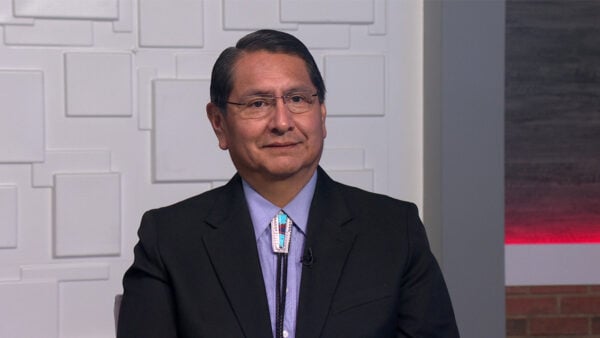
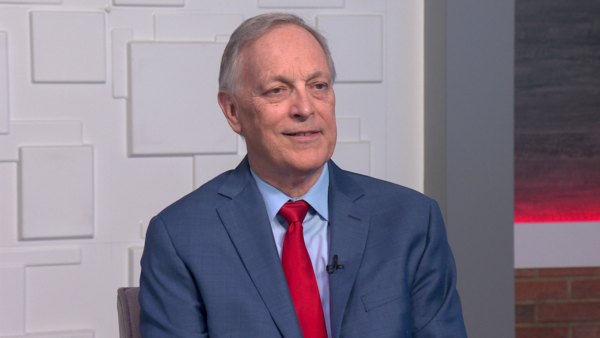
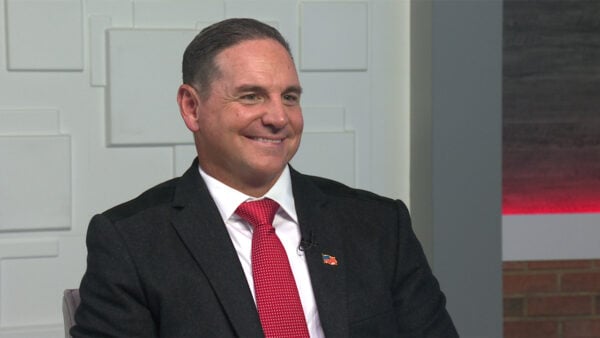
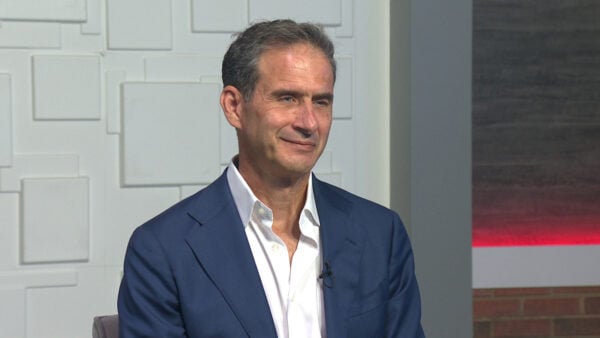
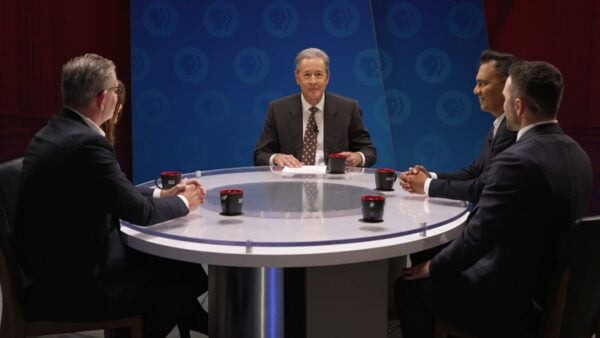
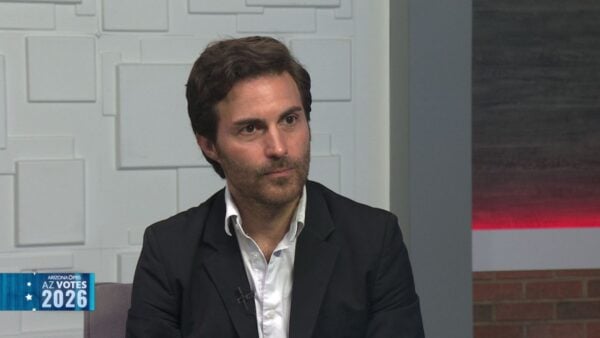
Leo Biasiucci (R), an Arizona State Representative, joined “Arizona Horizon” to discuss what the proposition could entail. Opponents of the bill were invited to discuss the issue but declined.
Grocery price increases over the last two presidential administrations are behind this bill’s intent. Its aim is to provide relief for families in need.
“This bill only applies to really the essential foods. You go to the grocery store, bread, milk, eggs,” Representative Biasiucci said. “It’s saying, ‘I don’t believe there should be a tax on something like essential groceries.'”
The bill does not affect restaurants, only food sold in grocery stores. The state of Arizona has removed sales tax on groceries, but it can still be implemented at the local level.
Proposition 316 states, “If you’re a local jurisdiction, you have this tax, we’re freezing it,” Representative Biasiucci said. “And then anything moving forward can never be more than 2% if you go to the ballot at the local level.”
If a city’s current tax rate is over 2%, there is no option to increase the sales tax, even through an election.
Opponents of the bill argue that limiting the tax will negatively impact funding in rural areas and small cities that don’t have property taxes. Pushback also comes from opponents who are against state involvement in local municipalities.