President Donald Trump threatened to increase tariffs on Canada starting next year after unsuccessful trade talks between the countries. The proposed 50% tariff would apply to all cars, trucks, car parts and steel from Canada starting on January 1, 2027.
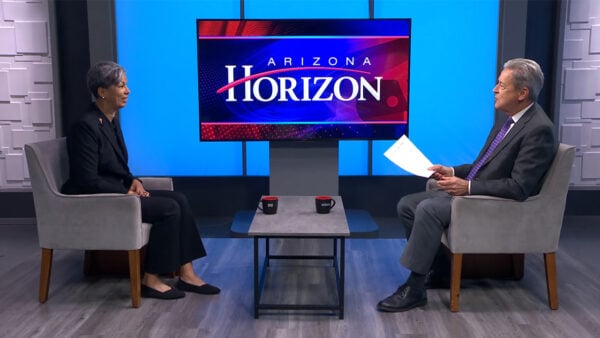
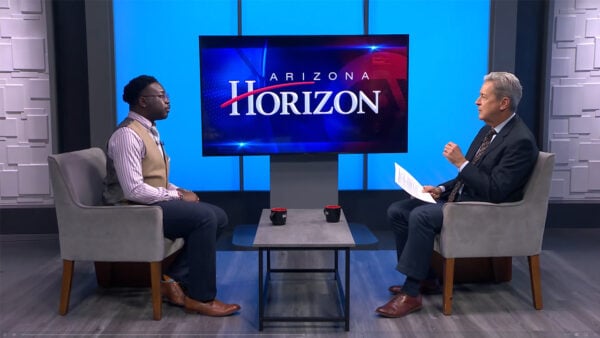
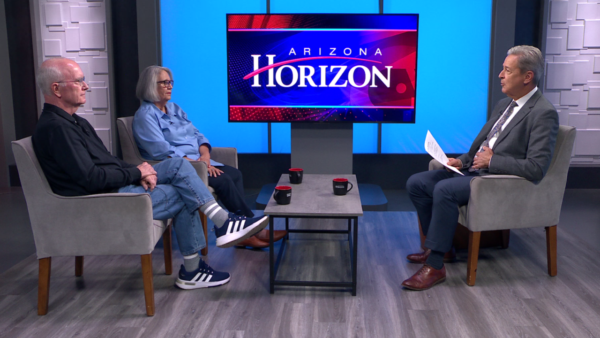
John von Heyking, Associate Director of the School of Civic and Economic Thought and Leadership at ASU, joined “Arizona Horizon” to discuss the two countries growing tensions and how these tariffs will affect once-strong allies.
“I think we’re in an uncertain zone for the next few weeks, but there’s signs that the two sides are moving closer together again,” Heyking said.
Heyking said the midterm and byelections in both countries could be to blame for the increasing tension over tariffs.
“On the American side, you’ve got midterm elections and a lot of those are close races in states that are affected by the tariff discussions. The steelworkers, auto workers, states like Michigan, Ohio, Pennsylvania, those are quite close races, and if you pay attention to the counter tariffs or the tariffs the Canadians have imposed, they target those states as a way of nudging things,” Heyking said.
However, he said he believes things are looking to get better after elections start coming to a close.
“I think that will calm things down on the Canadian side, might have to wait longer to see how the midterms play out for the administration,” Heyking said.
Heyking also said another problem is Canadians falling for Trump’s attempt to create chaos.
“He knows how to get a rise out of them,” Heyking said.
Heyking said Americans and Canadians should expect tariffs to ease a little bit, but not go away completely anytime soon.
“I think Canadians haven’t quite wrapped their head around the fact that tariffs here to stay for the long time, it’s not just Trump. I think some commentators in Canada are speaking up and say if there’s a Democratic president in 2029, don’t expect the tariffs to go away,” Heyking said.