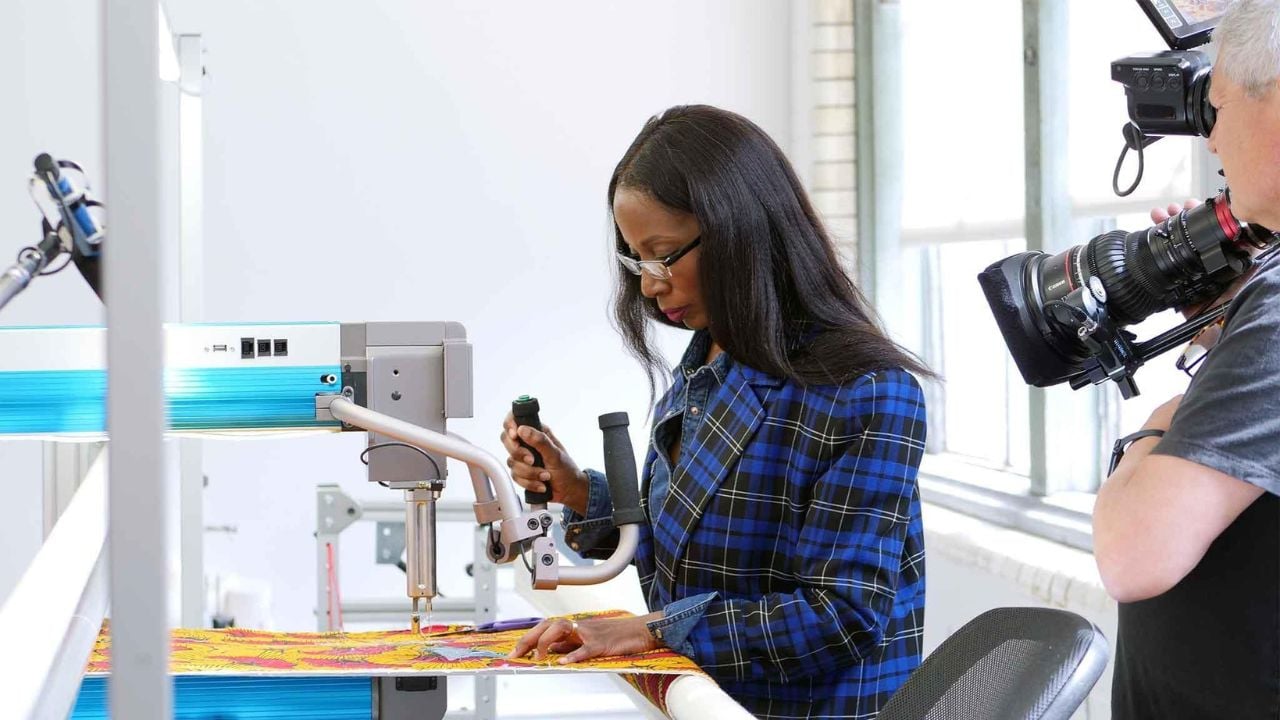
In a world driven by screens and constant upgrades, the PBS documentary series “Craft in America” offers something quietly radical: a return to making things with care.
Since premiering in 2007, the series has documented the creative spirit of Americans through the lens of handmade craft. Nearly two decades later, “Craft in America” feels more relevant than ever. Season 17, which returned in November of 2025, invites viewers to slow down and spend meaningful time with artists whose work is rooted in heritage, place and purpose. The result is an experience that feels less like watching a show and more like spending time alongside the artists as their work comes to life.
Episode 1, “East,” explores the intersection of history, culture and contemporary craft in the eastern United States. The stories in this episode highlight how layered identities and shared histories shape modern American making. Through practices such as fabric flower production, silversmithing and pottery making, the act of creation becomes a record of movement, memory and cultural exchange. For the artists, making is more than a technical process; it is a way of preserving heritage, expressing identity and sharing personal and cultural stories with each generation.
Episode 2, “West,” celebrates the continuum of heritage and handmade traditions inspired by the landscapes and cultures of the American West. Artists working in cowboy arts, Hawaiian Indigenous practices and Native American handwork demonstrate how tradition can be revived, reworked and reinvented. Their work shows that craft is not about preserving the past unchanged, but instead is about carrying knowledge forward and adapting it to the present.
While the episodes provide a deep, immersive experience for a multitude of viewers, “Craft in America” is also highly accessible for educators and families. Both episodes of “Craft in America” can be streamed online making it easy to view segments in classrooms or start discussions at home. These programs are paired with curriculum-aligned teaching resources designed specifically for “Craft in America.” Resources such as background information, teaching tips, discussion questions and activity ideas spark critical thinking, cultural understanding and meaningful conversation. For teachers, this creates an ideal entry point where students can engage with authentic stories of creativity without needing to watch an entire episode in one sitting. These materials create opportunities for whole-class discussion as well as individual deep dives, allowing students to explore both shared themes and personal connections to craft.
Beyond the classroom, the series opens the door for powerful family conversations. Watching these episodes together can prompt reflections that begin with, “Back in my day…” and lead to deeper discussions about how skills were learned, why craftsmanship mattered, what has changed and what hasn’t. These stories can help bridge generations, showing young people that while tools and technologies evolve, the value of building skills, practicing patience and learning a craft remains constant across time and fields.
In an age dominated by video games, artificial intelligence and unfettered technology, “Craft in America” does not argue against innovation. Instead, it offers balance. The artists being featured work slowly, repeat processes and embrace imperfection. They model a way of engaging with work that values attention, care and pride. They focus on qualities that matter just as much in coding or design as they do in pottery, weaving or leather making.
Ultimately, Season 17 of “Craft in America” reminds us that craftsmanship is just as much a mindset as it is a medium. It reminds us that creativity is not only about what we make, but how we make it and why we make it. Whether viewed in full at home or through short clips in a classroom, “Craft in America” encourages us to pause, reflect and reconnect with the deeply human act of making something well and passing that value on to the next generation.
What are some ways you remind yourself or your students about the value and history of craft? Share your thoughts with us on the Arizona PBS Kids Facebook page!
About the author

RikkiLynn Archibeque is in her 11th year of teaching in Arizona and has a bachelor’s degree in history from the University of Notre Dame, a master’s degree in secondary education from Indiana University and a master’s degree in learning sciences from Arizona State University.
She currently teaches high school history and government and is a cross country and track and field coach. She is also the wife of a high school administrator, Jake, and the mom of a gifted third grader, Cruz.
SPOTLIGHT




STAY in touch
with azpbs.org!
Subscribe to Arizona PBS Newsletters:
Gifts presented by Arizona PBS
Full Episode Feb. 27
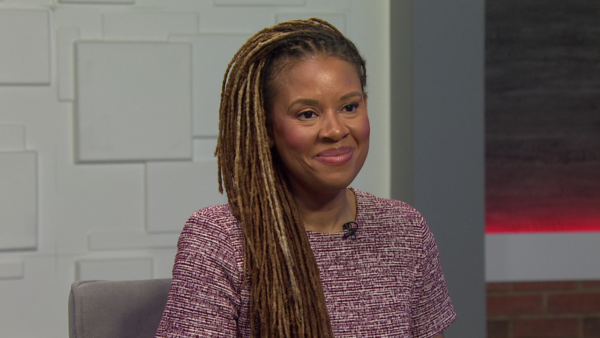
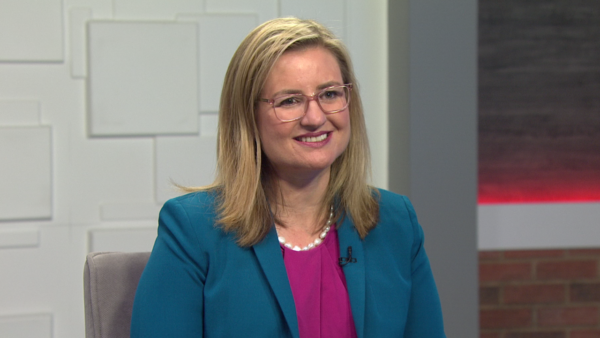
Mayor Kate Gallego; Dementia Caregiving Course; Night Owls & Heart Disease

Feb. 27
Classical Hall of Fame

Feb. 26
Dementia Caregiving Course


Full Episode Feb. 26
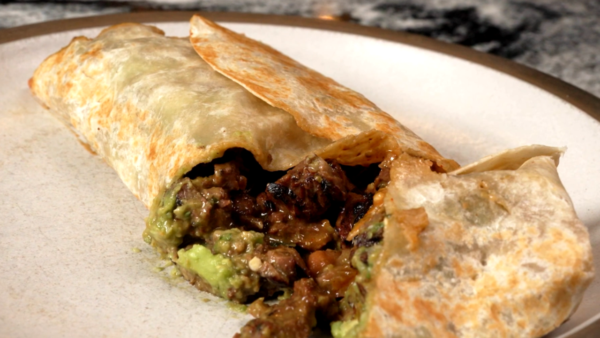
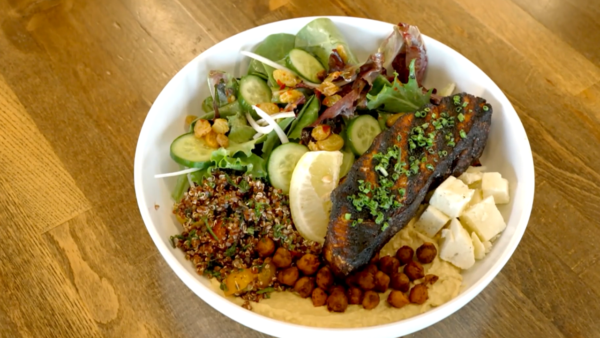
Surf, Turf and Fields