Why Martin Luther King Jr.’s message still matters in classrooms today
Jan. 12
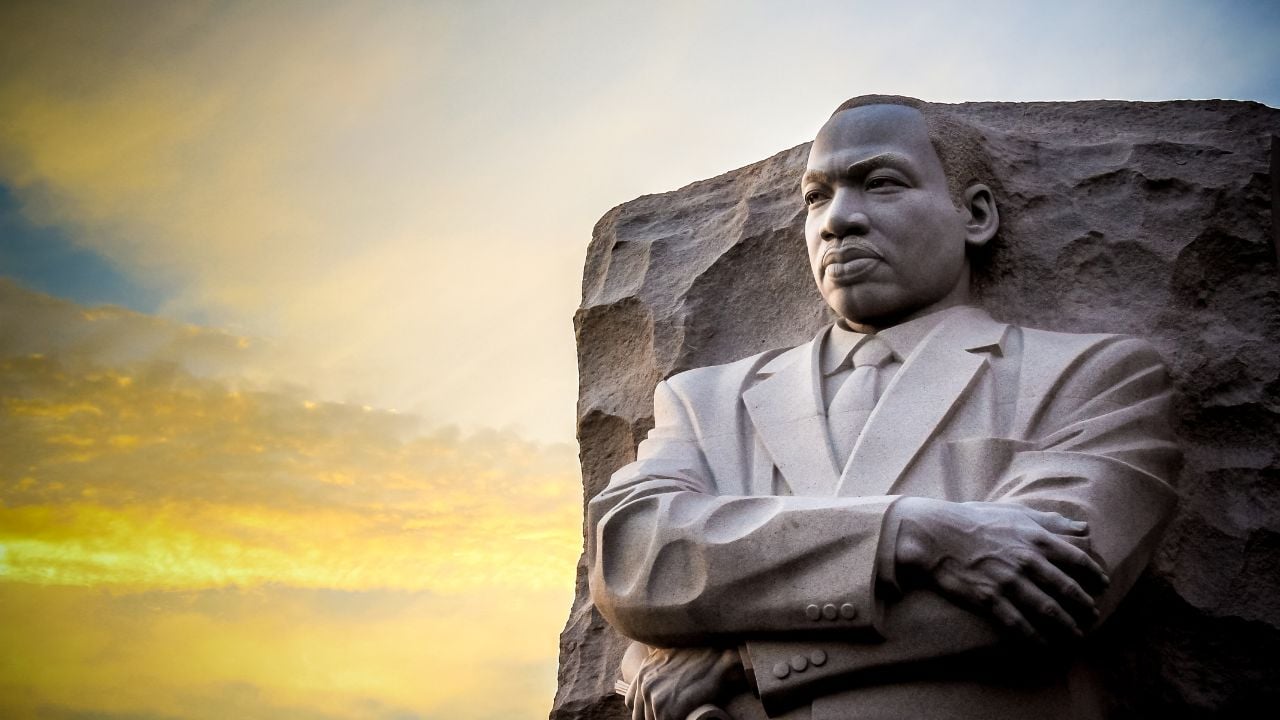
With Martin Luther King Jr. Day approaching, it is important to remind our students about his message surrounding empathy, justice and helping our community, and how it still applies to today’s society.
While our world is constantly changing, Dr. King’s dedication to nonviolence and community empowerment remains an important subject in classrooms. Teaching Dr. King’s message helps students understand the importance of respect to others and using their voices to create positive change.
By incorporating his teachings into classroom discussions and activities, educators can encourage students to practice empathy, help their communities and find their voice. Dr. King’s legacy reminds students that meaningful change often begins with small acts of kindness and learning to be a team.
Here are five ways educators can incorporate Dr. King’s message into classrooms today:
1. Classroom discussions on empathy and justice. Discussions can help students learn beyond just the facts and encourage them to voice their thoughts. By encouraging respectful conversations about the values Dr. King taught, students can learn to listen to one another and share their own perspectives. Discussions also help students connect material to events that may be happening around them or in their personal life, bettering their understanding of the topic.
2. Creative projects. Many students in today’s classrooms learn about Dr. King’s “I Have a Dream” speech. While hearing his speech alone can teach students about the power of community and working as a team, educators can take this a step further by having students write their own speech about what they want their school or community to look like. This activity teaches students about the power behind the speech and shows students how to use their voices as tools, influencing change in a creative and fun way.
3. Acts of kindness. Dr. King’s messaging reminds us that acts of kindness can go a long way in terms of making our communities feel whole. Acts of kindness don’t need to be grand, even just a smile can brighten someone’s day and make them feel welcomed. Teaching these acts of kindness and respect to students opens a door to more connection and engagement in the classroom, as well as strengthens their understanding of the importance of kind gestures that build strong communities.
4. Teaching the importance of civic responsibility. It is important to teach students the responsibility of helping their community and looking out for one another. Dr. King taught the nation that working together peacefully to influence positive change is more effective than working alone. This message not only applies to the issues Dr. King was fighting, but also our classrooms, where students learn to work together and gain connections with those around them.
5. Watch a video paired with discussion questions. This activity can help apply material in an inviting and conversational way, further helping students use their voice and connect lessons to events in their own life. Visit Arizona PBS LearningMedia for videos and additional content about Dr. King and his legacy.
Discussion questions to ask students:
1. What did you learn about Dr. King’s commitment to nonviolence? Do you think you could react similarly?
2. In Dr. King’s final speech, he said, “I’ve seen the promised land. I may not get there with you. But I want you to know tonight that we, as a people, will get to the promised land.” What do you think he meant by “the promised land?”
3. What parts of Dr. King’s background do you think helped shape his beliefs?
4. What do you think Dr. King meant by nonviolence? Why was it so effecctive?
5. What part of his “I Have a Dream” speech stands out to you the most? Why?
Find more lesson planning material and discussion questions on Arizona PBS LearningMedia.
What are some ways you carry Dr. King’s messaging about community and respect into today’s society? Share them with us on our Arizona PBS Kids Facebook page!