President Donald Trump ordered the takeover of the Washington D.C. police this week and sent National Guard troops to patrol city streets.
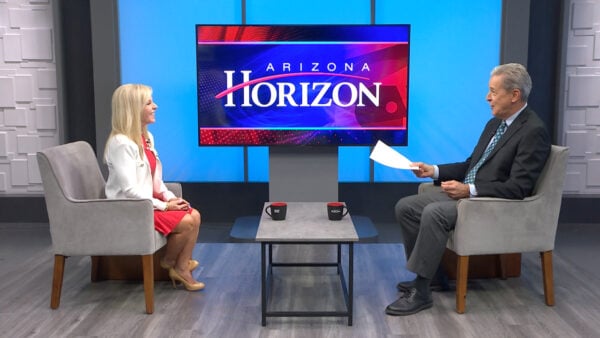
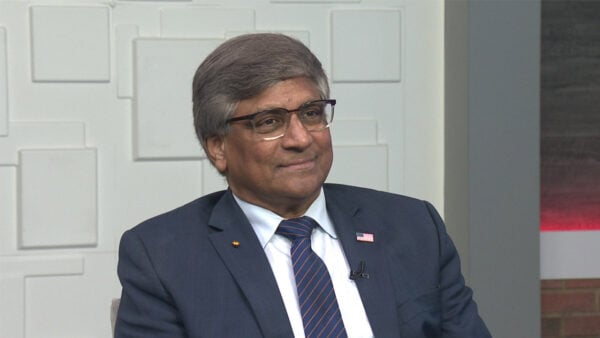
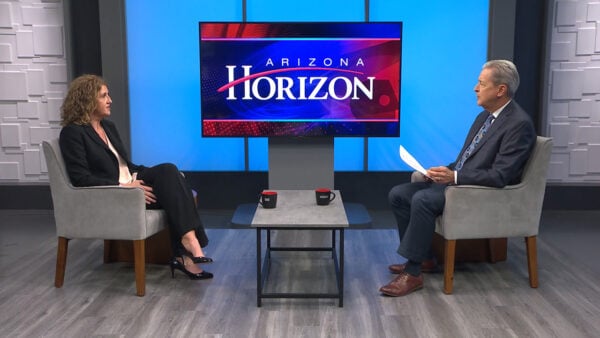
Professor Michael Scott, Director at the ASU Center for Problem-Oriented Policing, is a former police chief. He joined “Arizona Horizon” to provide perspective on this ongoing situation.
President Trump called the city “lawless” as he established a 30-day takeover. He is considering an extension of the length of the takeover, stating he would circumvent the U.S. Congress to do so.
President Trump also suggested he would deploy the National Guard in other cities and take over their police departments.
If the National Guard were to be deployed to other cities, it would leave local police forces and the military to work together. A task, that for Scott, could be cause for concern in the long run.
“In the long term this would become problematic, and to a great extent unfair to the National Guard troops, to federal police, to ask them to know the city in the way that a local police officer would,” Scott said.
According to Scott, the reality, however, is that there is a chance people will be left feeling uneasy when the National Guard is policing their cities.
“When they see paramilitary and military soldiers on the street,” Scott said. “Fact is a good likelihood it will make them feel less safe, wondering why this is happening.”
Regardless of how the people may react, sending the National Guard, and possibly other military entities into Washington D.C., is legal. Scott said the president does have the emergency authority to deploy the military into cities when he sees fit.
According to Scott, there can be benefits to the local police collaborating with federal law enforcement agencies to combat violent crime problems over long periods of time. Communication is key in such an alliance; however, the federal law enforcement presence in Washington D.C. does not seem to have the same structure of communication.