Memory Clinic targets cognitive health in homeless population
Jan. 7
Circle the City’s Memory Clinic evaluates memory and cognitive health in those experiencing homelessness. Approximately 80–90% of older adults at the state’s largest shelter have cognitive impairments, according to research from ASU.
Traditionally, neurological evaluations can take 6–8 months, but Circle the City patients are seen within 1–2 weeks. Seniors who are unhoused have access to rapid screenings, neurological evaluations, and care connections through the clinic.
The Memory Clinic recently expanded to the Parsons Family Health Center in midtown Phoenix, ensuring more seniors can be seen quickly and compassionately.
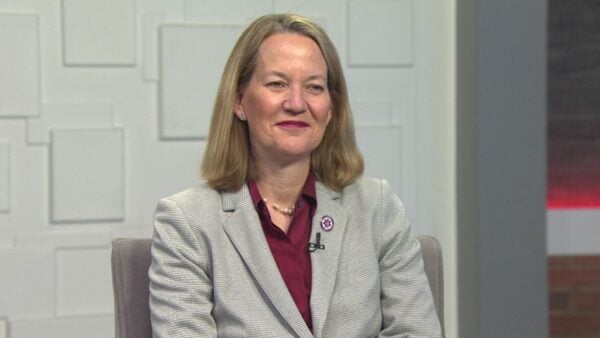
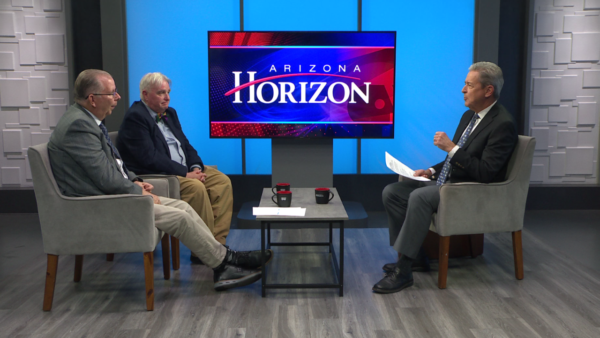
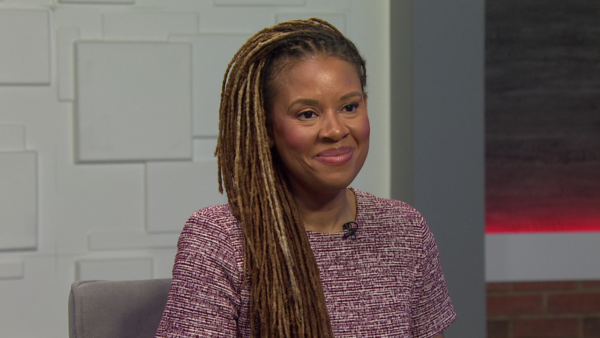
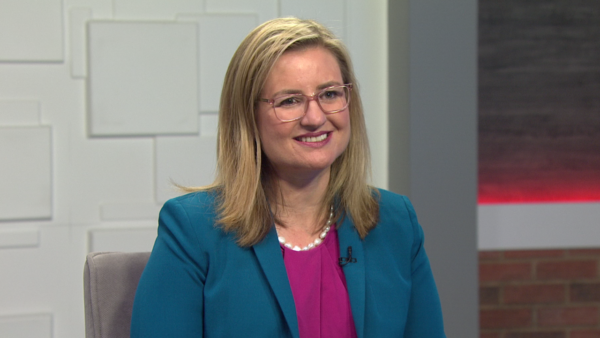
Amber Porter, nurse practitioner and Memory Clinic Leader at Circle the City’s Memory Clinic, joined “Arizona Horizon” to discuss more about the clinic.
“Circle the City offers healthcare to those that are homeless,” Porter said, “…and need medical care.”
When a person enters the sheltered living center, they are administered a screening tool called the Montreal Cognitive Assessment. It is a commonly used assessment, also known as MOCA, with a score that determines if someone is cognitively impaired. According to Porter, a score between 26 and 30 is normal, while a score under 26 means that the individual is cognitively impaired.
“I start swooping through that, a detailed assessment…I spend time with them, behavioral health spends time with them,” Porter explained, “…there are some where I’m like, hold on, I can’t deal with the memory issue until I handle your depression.”
Porter emphasized that early identification, intervention, and global holistic care are so important in helping those who are suffering from these issues.
“I start every visit looking at depression scores…and I do an anxiety score,” Porter said, “…if their scores warrant it, and it looks like, boy, I probably really need to know what that brain looks like, then I’ll order the CAT scan and discuss those results with them.”
Porter explained that once the clinic identifies those who are very vulnerable or at risk, they advocate for those individuals to move out of the congregate living environment and into singular housing.
In this segment:
Also in this episode:
SPOTLIGHT




STAY in touch
with azpbs.org!
Subscribe to Arizona PBS Newsletters:
Gifts presented by Arizona PBS


Full Episode Feb. 27
Mayor Kate Gallego; Dementia Caregiving Course; Night Owls & Heart Disease
Feb. 26
Dementia Caregiving Course



Full Episode Feb. 25
State of the Union; Cancer survival rate rises; ‘Arizona Boots and Burgers’