New book on sciences of epigenetics highlights free path to better health
Jan. 14
A new book documents patients’ transformations that are occurring right here in Arizona, including reversing diabetes, losing 60 or more pounds and normalizing blood pressure, all without medication.
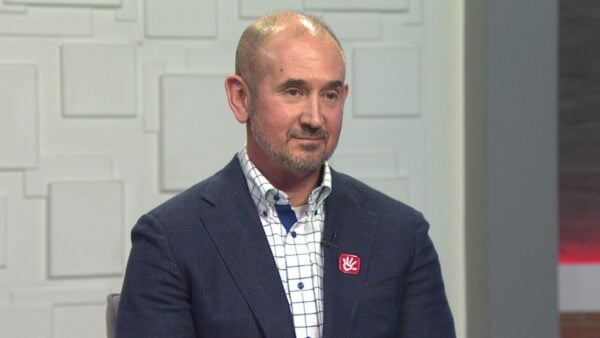
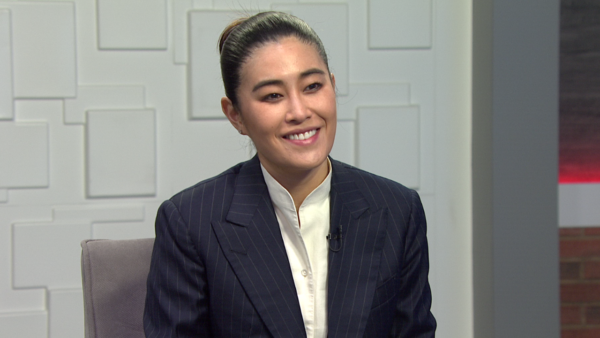
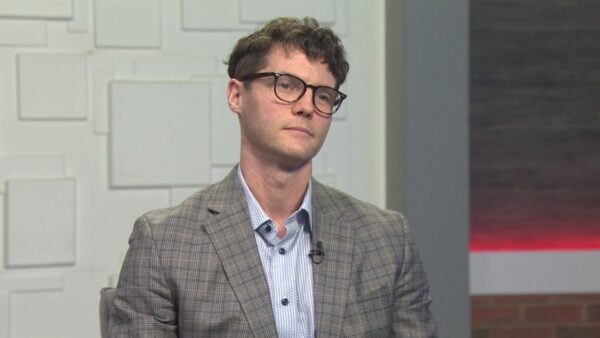
The book is titled, “Longevity Made Simple,” by Dr. Shad Marvasti, who co-authored the book with former U.S. Surgeon General Dr. Richard Carmona. Dr. Marvasti is also an Associate Professor of Clinical Practice at ASU’s John Shufeldt School of Medicine and Medical Engineering. Dr. Marvasti joined “Arizona Horizon” to discuss his new book.
While the common longevity industry in Scottsdale can often charge thousands of dollars, Dr. Marvasti’s clinical model at HonorHealth proves that free interventions work better. His patients are encouraged to include five daily habits in their lives that can influence gene expression, known as the DRESS code: Diet, Relationships, Exercise, Stress and Sleep. This is a science-based blueprint to help prevent, treat and even reverse the chronic diseases accounting for most premature, preventable deaths worldwide.
Hi book will be released on January 20, 2026, and has so far been endorsed by big names like Sanjay Gupta, Dan Buettner, Dean Ornish, Mark Hyman and Andrew Weil.
“This book is a culmination of nearly 20 years of my clinical experience in treating patients and taking a whole person approach to health,” Dr. Marvasti said. “Where we look at the sciences of epigenetics, what we’re learning there is that our zip code is actually more important than our genetic code in determining health and longevity.”
Epigenetics is the study of how environment and lifestyle factors can influence the way an individual behaves. Dr. Marvasti explained where we live, how we live, how active we are, how socially isolated we are or how connected we are can affect an individual’s health.
“What we eat, the stressors in our life, the social behavioral lifestyle determinants,” Dr. Marvasti said, “actually turn our genes on or off, for better or for worse.”
Dr. Marvasti used an analogy to better understand this concept by describing the genes one inherits as hardware and the epigenetic inputs either upgrading or downgrading the software.
“Your gene expression actually changes not in a matter of years, not even months,” Dr. Marvasti said, “But we can change gene expression in a matter of weeks, the same time that it takes for your taste buds to turn over. You can actually change genes and turn on the ones that improve health and longevity.”
In this segment:
Also in this episode:
SPOTLIGHT




STAY in touch
with azpbs.org!
Subscribe to Arizona PBS Newsletters:
Gifts presented by Arizona PBS







Feb. 26
Dementia Caregiving Course

Full Episode Feb. 26
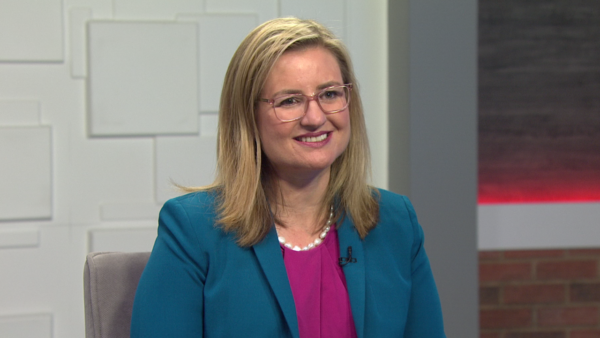
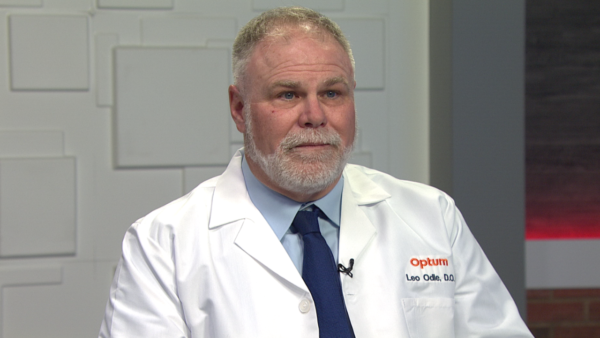
Mayor Kate Gallego; Dementia caregiving course; Sleep and heart disease


Full Episode Feb. 25
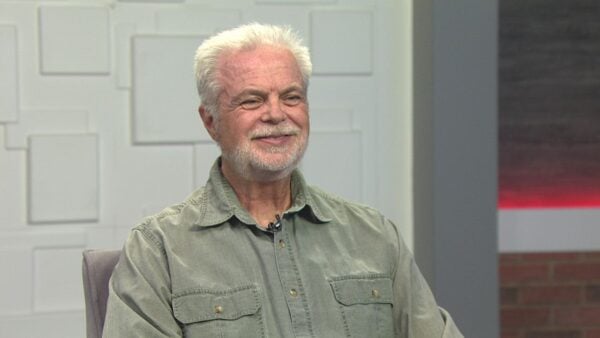
State of the Union; Cancer survival rate rises; ‘Arizona Boots and Burgers’ book