Protecting yourself from deceptive AI ads
Jan. 6
Artificial intelligence (AI) is starting to become involved in everyone’s lives and is being used to sell products or services online. However, these AI ads may be more deceiving and not exactly what they seem online.
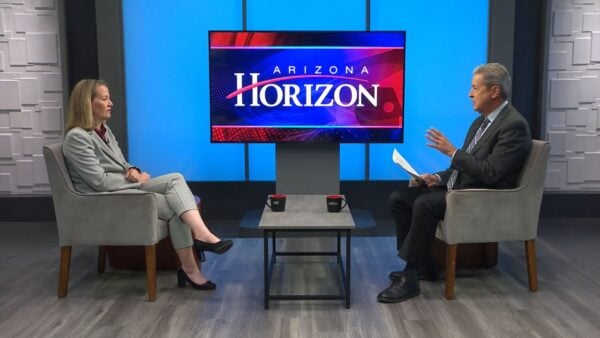
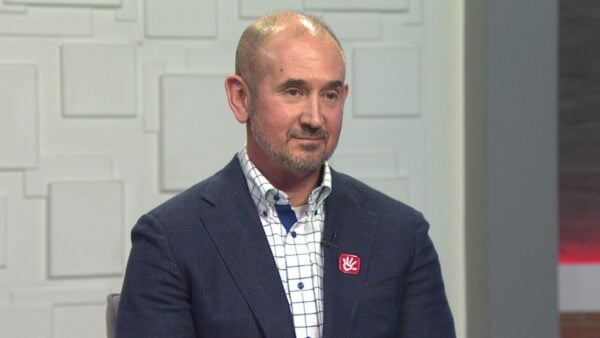
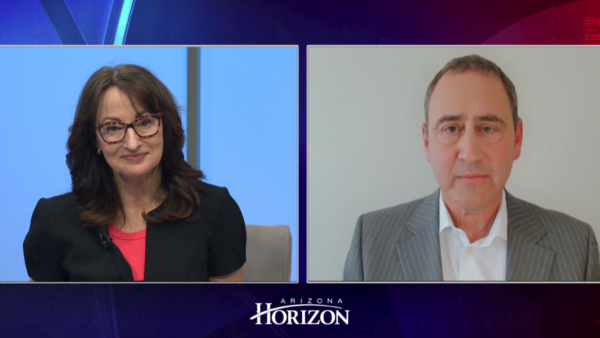
Joe Ducey, Associate Vice President of Public Engagement and Investigative Outreach at the Better Business Bureau, joined “Arizona Horizon” to explain how Arizonans can protect themselves from AI deceptions online.
Most often, what people think they are purchasing turns out to be very different when they receive it, Ducey said. An AI ad can make the product or service appear bigger, smaller, or better overall.
The Better Business Bureau was originally formed in 1912 to combat widespread misleading advertising and ensure trust and integrity within the public.
“We’re getting complaints of images that look like the person, and it just looks much better, it looks like it’s actually the person talking,” Ducey said, “…so that’s a problem, because it looks more real.”
The attorney general and other professionals have now been attempting to go after Meta, which owns Facebook and Instagram, to combat some of these issues.
Ducey explained how one of the most common deceptive ads is those that try to sell weight loss drugs. Advertising the products by showing individuals who many believe to look real, losing hundreds of pounds in three weeks, which is deceptive.
One complaint Ducey heard from many individuals came around Christmas time, as many were gearing up to buy presents for their loved ones. Many individuals came across a video on social media that advertised a robotic dog that looked like it had real-life movements and features.
Many were deceived by the ad, thinking it was going to appear just as it did in the video, until the product arrived, and they were not satisfied with the product.
“They are getting these things, they are making it look like this wonderful product, and in this case it was a little yappy thing you put two double A batteries in,” Ducey said, “…I don’t really like using too good to be true, cause that seems very trite, but in this case it works so well.”
In this segment:
Also in this episode:
SPOTLIGHT





STAY in touch
with azpbs.org!
Subscribe to Arizona PBS Newsletters:
Gifts presented by Arizona PBS




Feb. 26
Dementia Caregiving Course
Full Episode Feb. 26
Mayor Kate Gallego; Dementia caregiving course; Sleep and heart disease
Full Episode Feb. 25
State of the Union; Cancer survival rate rises; ‘Arizona Boots and Burgers’ book