The Center for Creative Photography celebrates 50th anniversary
Aug. 14, 2025
The Center for Creative Photography at University of Arizona is recognized as one of the world’s finest academic art museums and study centers for the history of photography.
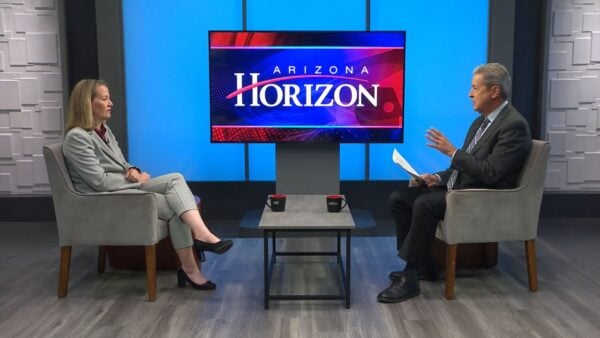
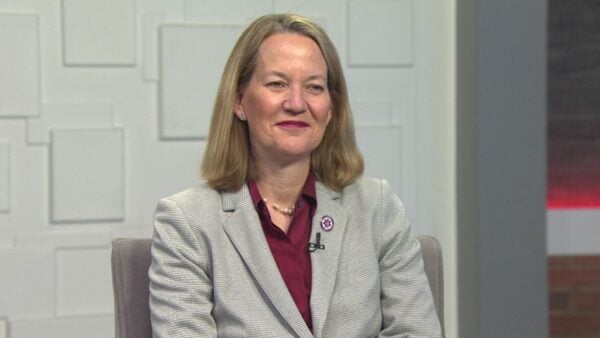
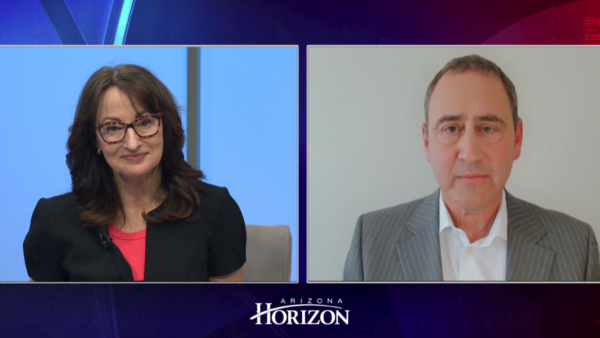
Emilia Mickevicius, Norton Family Assistant Curator of Photography at the Center for Creative Photography, joined “Arizona Horizon” to discuss the Center and it’s 50 years of operation.
“We’ve got our exhibition picture party celebrating the collection at 50,” Mickevicius said. “…the metaphor of a party just felt really appropriate because we’re celebrating this important milestone.”
The Center opened in 1975, following a meeting between University President John Schaefer and Ansel Adams. Beginning with the archives of five living master photographers, Ansel Adams, Wynn Bullock, Harry Callahan, Aaron Siskind and Frederick Sommer, the collection has grown to include 270 archival collections. Among these are some of the most recognizable names in 20th century North American photography.
“We wanted to bring together some familiar treasures, some unexpected objects,” Mickevicius explained, “…we’ve got a range of photographic prints, but then also items from our archives.”
There are currently more than 110,000 works by over 2,200 photographers. A library of books, journals and exhibition and auction catalogs, including many rare publications, plus an extensive oral history collection complements the archival and fine print collections.
“In this exhibition we’ve got recent acquisitions by a diverse array of contemporary photographers,” Mickevicius said, “…we’ve got objects from our archives that people might not realize we have.”
Mickevicius discussed some of the fascinating objects they have including the helmet David Hume Kennerly wore when photographing the Vietnam war, Ansel Adams’ dart cloth, and W. Eugene Smith’s wallet.
“It’s just so special that we collect, not only photographic prints,” Mickevicius explained, “…but also photographers working materials, their negatives, correspondents, and that’s really one of the stories that we wanted to tell with this exhibition.”
The combined art, archival and research collections at the Center provide an unparalleled resource for research, exhibitions, loans and traveling exhibitions.
In this segment:
Also in this episode:
SPOTLIGHT




STAY in touch
with azpbs.org!
Subscribe to Arizona PBS Newsletters:
Gifts presented by Arizona PBS





Feb. 26
Dementia Caregiving Course

Full Episode Feb. 26
Mayor Kate Gallego; Dementia caregiving course; Sleep and heart disease

Full Episode Feb. 25
State of the Union; Cancer survival rate rises; ‘Arizona Boots and Burgers’ book