Even though the Iran War appears to be ending, the effects on the global economy are not going anywhere. The near shutdown in the oil pipeline has caused a shift in who the big energy leaders are and what energy is being used. Places like South Korea and Japan are now switching to coal, and in many places there is a shift to solar or electric vehicles. Relations among producers are also changing. The war heightened tensions between the United Arab Emirates and Saudi Arabia and prompted the Emirates to leave the OPEC Plus oil cartel. It has caused the Saudis to move closer to Russia. China is also seeing huge returns as countries switch to using renewable energy.
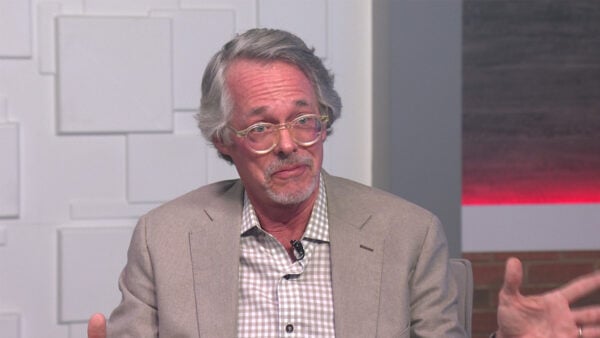
Today Dale Rogers, a professor at the W.P. Carey School of Business, joined “Arizona Horizon” to discuss the effects in further detail.
Looking at when deliveries and transports through the Strait of Hormuz, Rogers shares when he believes business should return to usual.
“To have everything get back totally to normal, if we’re going back to normal, it’s two to four months, I would say generally,” Rogers said.
Because of the down take in gas and other imported sources of power, another source of energy has become more prevalent.
“So you’re really seeing renewables ramp up, and you know, it’s because you can use those not just for fueling vehicles but also for electricity, and there’s huge strains on pretty much everybody’s electric grid,” Rogers said.
Rogers also shared what he believes will be the effects of this war on the U.S..
“There’s been so many things we did kind of wrong here. I mean, we didn’t seem like we won the war, for one thing, and we didn’t get what we wanted out of it, and Iran has really learned the power of that. We kind of changed the nature of the gulf, and we’ve alienated a lot of our allies around the world. So one of the sort of offshoots of this war is everybody’s looking at, oh wait a minute, can we trust the U.S.? And so let’s look for other ways to do it and that’s a long-term change that I don’t see is going to change back,” Rogers said.