Despite concern over a lack of groundwater, housing developments could be sprouting up. Maricopa County Superior Court Judge Scott Blaney recently ruled the Arizona Department of Water Resources overstepped its legal authority when imposing what developers have called a “tax.”
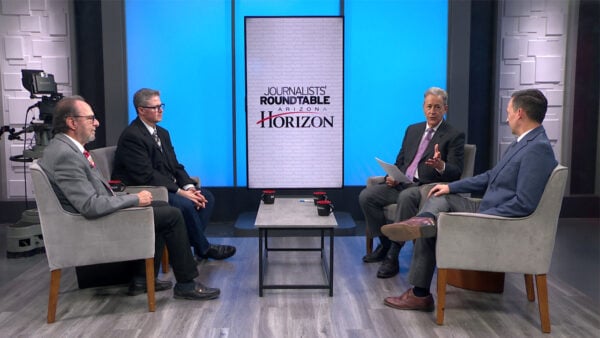
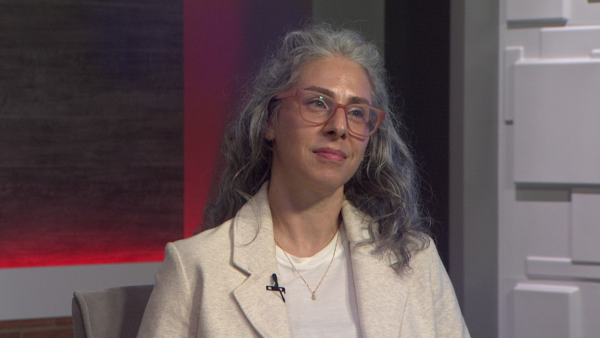
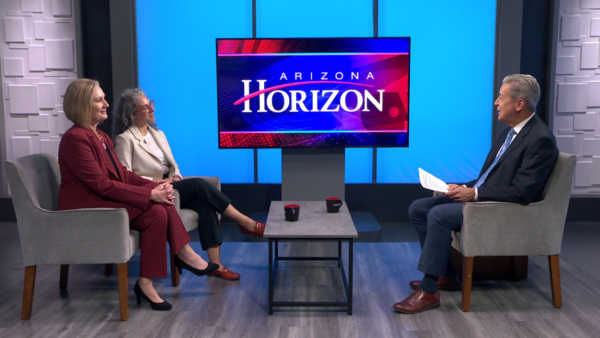
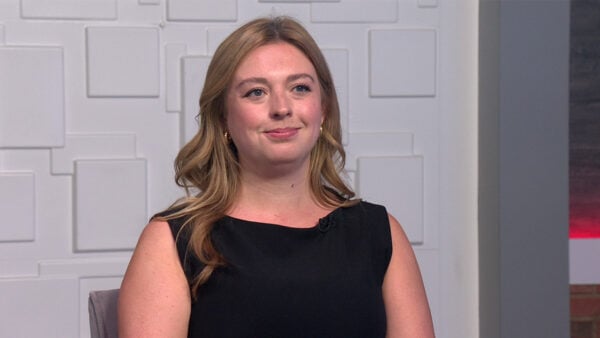
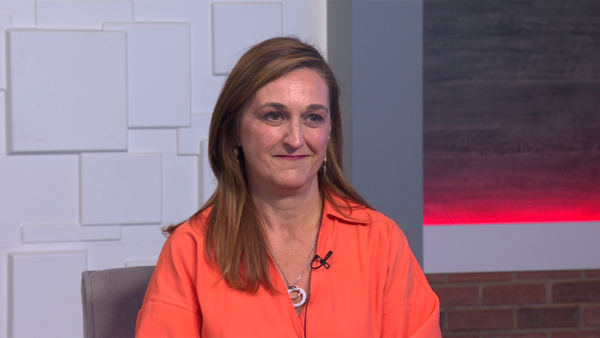
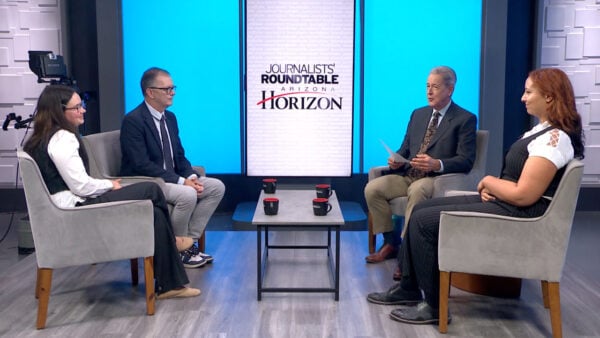
Sarah Porter, Director for the Kyl Center for Water Policy, joined “Arizona Horizon” to discuss the framework for groundwater management.
Judge Blaney ruled the Arizona Department of Water Resources cannot withhold required building permits unless the developer shows it can access not just the water it would need for the next 100 years but an additional 33% as well. That extra 33% is the tax that developers point to.
In a previous case regarding the Department, a judge also ruled they didn’t have the authority to act as they did. Porter discussed that case and it’s relation to the case at hand.
“Previously, a judge had issued a ruling that found invalid the determination or the way the Department of Water Resources is applying its rules about whether or not there’s enough groundwater, a non-renewing resource, to meet the 100-year assured water supply rule. So there are really two rulings that go and hand it to kind of pull the rug out of the changes or the approaches that the state had been taking to allow development in the greater Phoenix area and Pinal area,” Porter said.
Porter noted these rulings appear to set everything back to before a 2023 moratorium that paused the renewal of new subdivisions in the Phoenix Active Management Area or AMA.
“It’s always a little unclear in these kinds of cases, but it does seem to put the Department of Water Resources back to before they updated their groundwater model, and they found that there was a supply-demand gap for the Phoenix AMA,” Porter said.
With this ruling by Judge Blaney, it’s believed more housing will be created along with more affordable housing. However, Porter shared a hurdle that may make this a bit more difficult to accomplish.
“The Central Arizona Groundwater Replenishment District has been saying in the last few years, ‘This is looking more and more difficult.’ The cost of those replenishments, these aren’t the water supplies for delivering water to the taps; this is just water that goes into the ground somewhere. And they’re saying the costs are going to go up; it’s getting harder and harder to find them,” Porter said.
Porter also shared the latest on the Central Arizona Project and the Colorado River, stating they are waiting on a final environmental impact statement to see what the federal government’s plans are. She spoke to what she believes needs to be done to address this issue as a whole.
“I think the bottom line for this region is we need to start looking at how to bring in new water supplies with more urgency than we have been. We’ve been working on new water supplies, but now we’re really seeing that we need to do this with great speed,” Porter said.