Temperatures are rising in the Valley this summer, and there are necessary steps to be taken to avoid dehydration, burns and overall health. Dehydration becomes a risk much faster as the heat continues to rise, especially for older adults, children and outdoor workers.
Dangers also come from the heat off of the pavement, playground equipment and any metal surfaces.
Hydrating early, limiting exposure during the peak of the heat and testing out surfaces before contacting are just a few precautions that can be taken to avoid the danger.
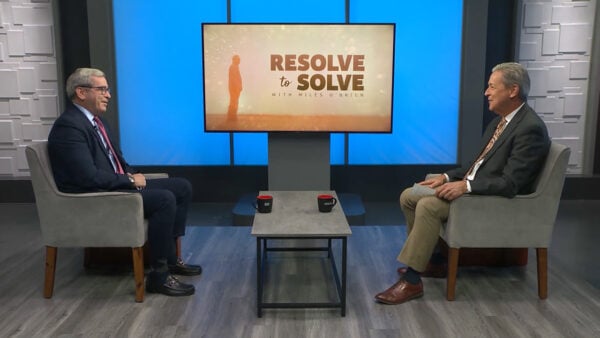
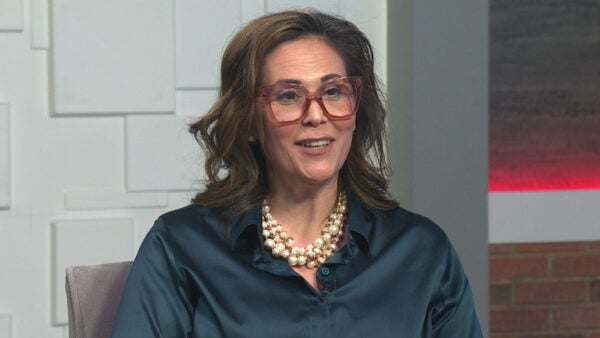
Dr. Michael White, Chief Clinical Officer of Valleywise Health, joined “Arizona Horizon” to discuss the best ways to avoid the heat dangers and stay cool.
“Extreme heat is when we’re seeing our, you know, air temperatures outside, that are greater than 100 degrees. Greater than our body temperature, around that, where our body has to begin to help us compensate and be able to function outside through our normal physiologic responses,” White said.
Heat-related disorders happen on a spectrum based on the symptoms. How they come about are a combination of time in the heat and over exertion.
“So as you exert yourself when you are absolutely in these extreme temperatures, you can reach that overwhelm of those systems even faster,” White said.
White spoke to the populations that are most at risk of these heat-related disorders and why they might be at a heightened risk.
“Anything that is going to change your body’s ability to respond to the heat. Older adults are one of those, you know, classic populations. As we get older, our body temperature becomes a little bit more challenging to regulate,” White said.
White also noted that children are also at risk because they have not yet developed the ability to regulate their temperature.
With the population of Maricopa County on the rise, so is the number of people who are getting contact burns. White shared some insight into what he has seen treating burn patients.
“We treat contact burns all summer long. You know for example, last summer we had over 160 patients that had presented to our specialized emergency department for burns, for the treatment of contact injury. And some of those, almost a third of them actually were bad enough they ended up in the ICU for a period of time,” White said.
To avoid both contact burns and heat-related disorders, White shared some precautions to take.
“It’s wearing nice, good shoes when you’re out in this type of summer heat. To your comment around the car, you know, touching that with something around your fingers as you’re grabbing those handles,” White said.
Some other precautions that White recommends are to stay inside during the hottest times of the day and to stay well hydrated.