The 2026 monsoons are set to begin June 15, 2026, and according to the National Oceanic and Atmospheric Administration, Arizona should look out for a wetter-than-usual monsoon.
The extra moisture in the air will not reduce the drought conditions and can even be a trigger for wildfires as lightning becomes more frequent in these conditions.
The monsoon will be recorded in a new way this year: the Dust Storm Intensity Ranking System will be ranking dust storms in the Phoenix Metropolitan Area using a scale from one to five to grasp better understanding of the dust storms severity.
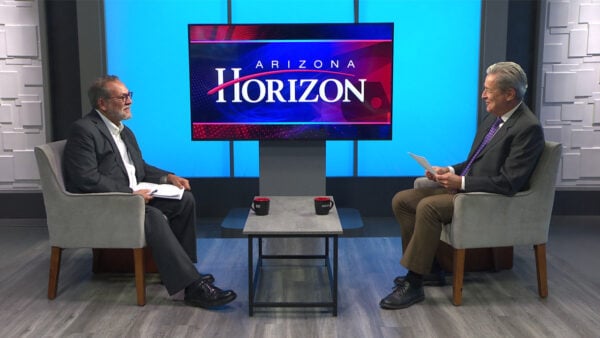
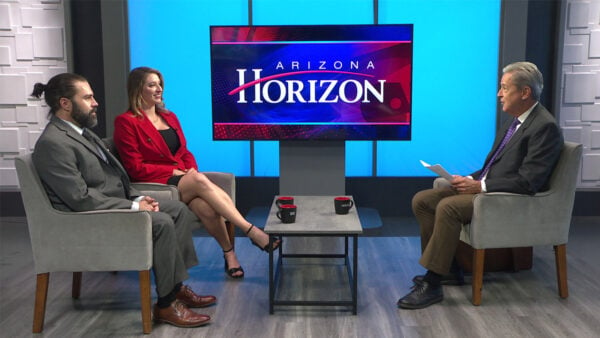
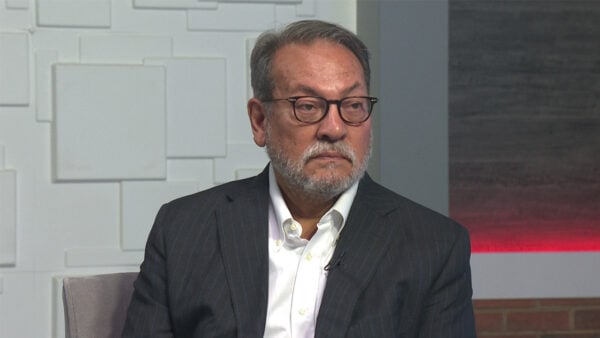
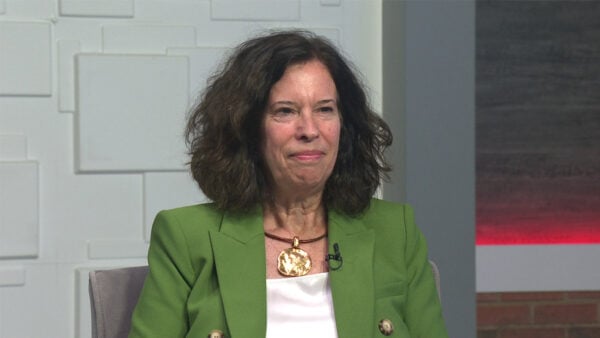
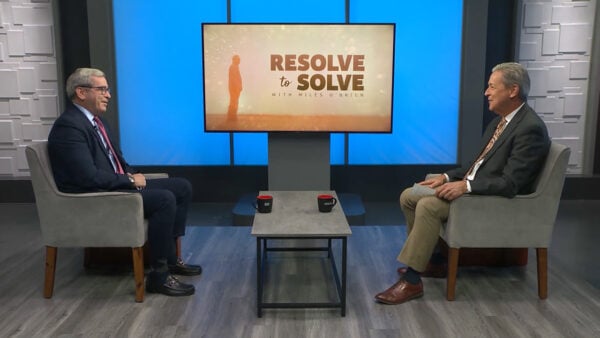
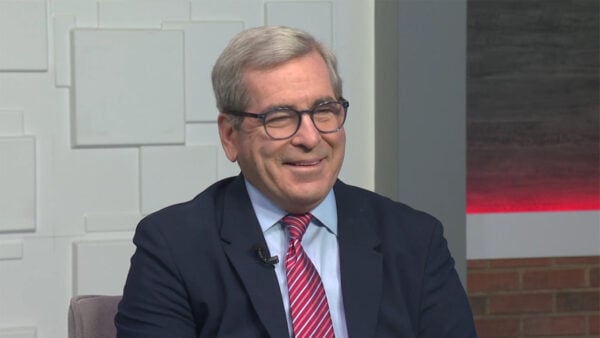
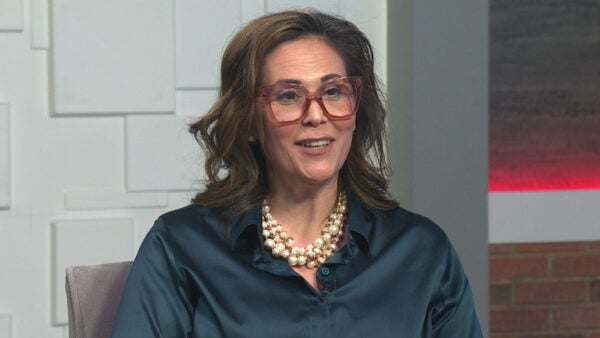
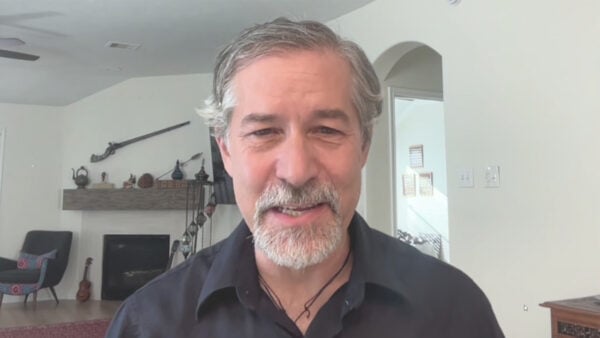
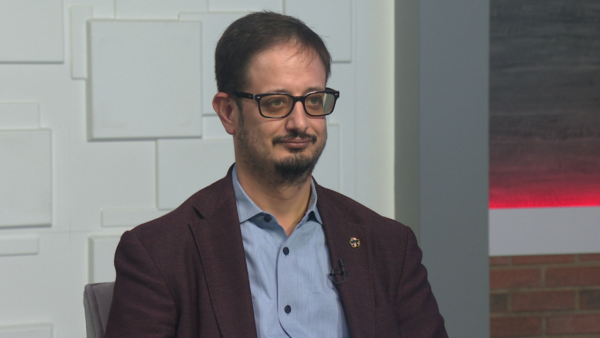
Randy Cerveny, ASU climatologist, and Ryan Heintzman, Ph.D., Assistant Teaching Professor at ASU, joined “Arizona Horizon” to discuss how these new scales will be helpful and what the monsoon has in store.
This monsoon season, Cerveny said that we can expect, “a better chance for a good monsoon than what we had for the last two to three years”.
“It’s partly the result of the big El Niño that’s developing in the middle of the Pacific Ocean. As the Pacific gets warmer, it creates more hurricanes and the moisture from those hurricanes can get pumped up to the gulf of California,” Cerveny said.
Because of this uplift of humidity, Cerveny later noted that Flagstaff is expected to receive the most rainfall this summer. However, he also shared how this uptake in precipitation may carry on to the later months.
“This is such a big El Niño event that’s going on that yes we are looking for above normal winter time and fall precipitation,” Cerveny said.
The temperatures should be not as hot as previous years as Cerveny noted that the uptake in humidity also helps to keep the temperatures down.
With the rain also comes some dust storms. Cerveny and Heintzman, along with two dozen stakeholders across the southwest came together to publish a dust scale ranking.
“It is tied to dust concentration. So in terms of how much dusting is actually in the air. Each scale that we have, each version of one through five is linked to these concentrations of dust,” Heintzman said.
The scale starts with the least severe dust storms at one and builds up to the most severe dust storms at five. Heintzman noted that dust storms with a ranking of one are the most common.
Heintzman also discussed another way to track dust storms, the dust dashboard.
“You can take a look at the stations across The Valley where the dust concentrations are being measured and see what the peak concentration was during the event for your neighborhood,” Heintzman said.
This dashboard is a post event system that is hoping to publish information on these dust storms just 24 hours after the event.