In a 6-3 ruling, the U.S. Supreme Court on Monday, June 29, 2026, gave President Donald Trump sweeping new authority over approximately two dozen multi-member agencies that Congress intended to be independent. The justices struck down a federal law barring the President from firing members of the Federal Trade Commission except in cases of “inefficiency, neglect of duty or malfeasance in office.”
However, the Court ruled 5-4 that states can accept mail-in ballots after polls close in federal races, rejecting President Trump and the Republican National Committee’s push to defeat the practice, citing voter fraud concerns. More than a dozen states deem mail-in ballots that arrive after Election Day valid so long as they are postmarked by then.
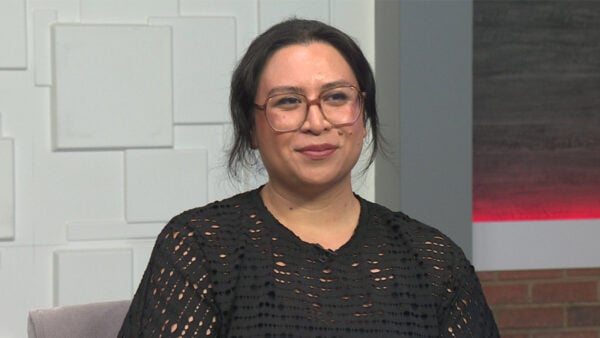
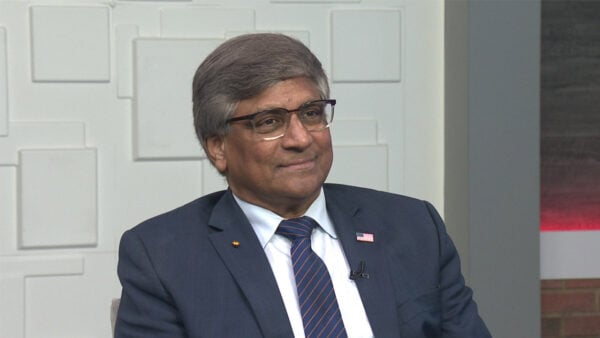
Stephen Montoya, partner at Montoya, Lucero and Pastor, joined “Arizona Horizon” to discuss the Supreme Court rulings.
Montoya argued that regulating independent agencies was a policy choice for Congress rather than the Court.
“Saying that Trump could fire her without a finding of cause for no reason at all, even though he appointed her and she was a Republican, I found that to be kind of laughable because they were saying that it went back to the founders and their original intent. And once again, when you read the notes from the Constitutional Convention, there was no original intent. The best indication of the original intent is found in the words of the Constitution, and the Constitution is silent to this issue,” Montoya said.
Montoya explained how the push to limit mail-in ballots stems from a desire to restrict votes
“The court basically concluded that federal law does not control whether or not a state accepts ballots that were mailed timely, but received untimely, and that’s up to each state. Each state can change that. In fact, this case arose in Mississippi, and Mississippi is already planning to change it because they want to restrict voting. And that’s what this is really all about. It’s restricting voting. That’s always been a trend. Whoever thinks they don’t have enough votes or wants to suppress voting finds ways to restrict it,” Montoya said.