Extreme heat pushes the body past its limits, and once that cascade begins, even expert care can be unable to stop it. People may tend to focus on humid heat, but new Arizona State University (ASU) research shows dry heat can be just as fatal.
Sweating has a hard limit. Once the body reaches it, hot and dry conditions become equally dangerous as hot and humid ones. This matters as Arizonans head into an El Niño summer that will likely feel more humid.
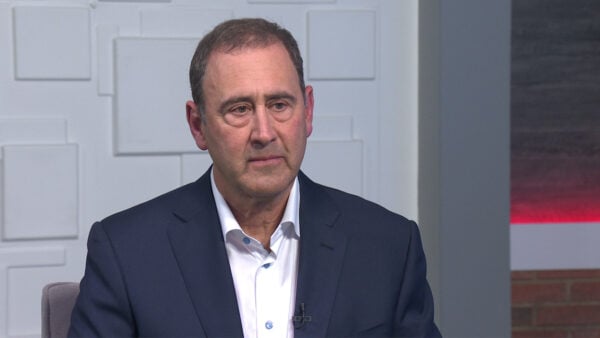
Dr. Jennifer Vanos, ASU Senior Global Futures Scientist, joined “Arizona Horizon” to discuss the dangers of dry and humid heat.
“A lot of our research that we’ve done within my group at Arizona State has been trying to better model what happens to the body in humid heat or dry heat by using physiological principles in these very common models to overcome some of the simplified assumptions,” Vanos said.
Vanos spoke to how the models that they are creating at ASU are different from other models because of the different things that they take into consideration.
“A lot of models would say that’s (dry heat) not dangerous to the human body. But our models show that when you account for people sweating, especially the lack of sweating as you age, it is very dangerous for people because we can only cool in the hot, dry conditions by sweating,” Vanos said.
As Vanos noted, increasing age can also lead to increasing risk in the heat. She also explained some of the ways that older adults can stay cool in the heat.
“For example, put water on your skin through misting bottles or dousing your clothing and then using fans and that can act as sweat and then you evaporate it and can also prevent dehydration,” Vanos said.