Six months into the Iran war, the U.S. is still launching attacks on Iranian targets. On September 1, 2026, the U.S. launched new missiles at Iran. President Donald Trump warned Iran not to retaliate, adding the U.S. will “hit much harder” if they do.
Following President Trump’s warning, Tehran retaliated with attacks on Jordan, Bahrain and Kuwait, saying it was targeting U.S. assets. President Trump responded on Truth Social, saying, “They will be hit again at a much harder and higher level, but it will not be the biggest attack of them all; that is waiting in the wings, and when it is over, there will be very little left of the Islamic Republic of Iran!”
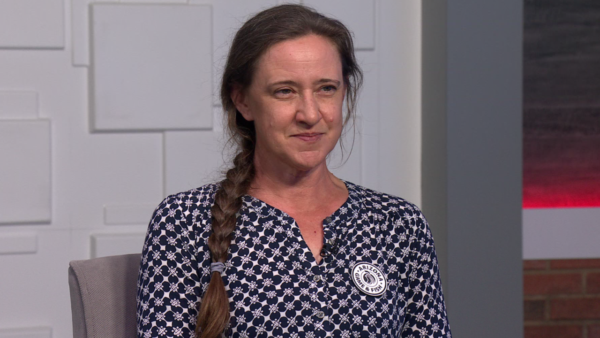
Dr. Evelyn Farkas, Executive Director of the McCain Institute at ASU, joined “Arizona Horizon” to discuss the six-month long conflict.
Regarding Tuesday’s attack, Dr. Farkas said it’s not entirely clear what the U.S. intention is with these strikes, except for retaliation against Iran and efforts to maintain and protect blockades.
The Pentagon said the U.S. military was focusing on Iranian military targets, but an airstrike hit a home celebrating a wedding in southern Iran, causing frustration.
“At this point in time, given the technology we have. We should not be making these kinds of mistakes,” Dr. Farkas said.
According to Dr. Farkas, that frustration has been reported by military generals to the United States Secretary of War, Pete Hegseth. Military officials are claiming, “doing more military strikes on the Iranians is not going to change the tide.” Dr. Farkas said.
Economically, the war has positioned the U.S. Naval Blockade of Iranian ports. But, “apparently, there is a fair amount of Iranian oil still floating out there on international waterways.” Dr. Farkas said. Trade is particularly important with China, which purchases around 2% of its oil from Iran.
Now, over 6 months into the war, U.S. operatives are claiming the U.S. has already won. Dr. Farkas argues that’s untrue.
“Yes, we have significantly weakened Iran. But there is no victory until we get them to agree that they will freeze their nuclear weapons program,” Dr. Farkas said.