Banner Health recently completed more than 50 total artificial heart implantation procedures, more than any center since 2022. The demand for heart donors is far greater than the supply and over 6 million U.S. adults live with heart failure.
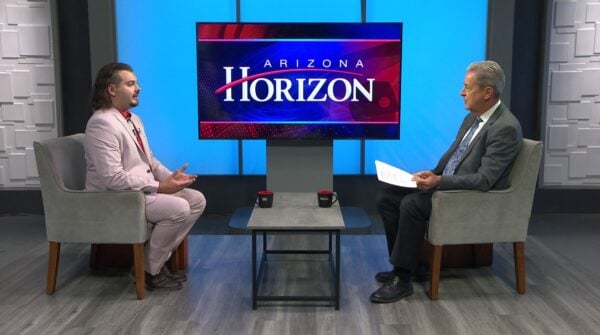
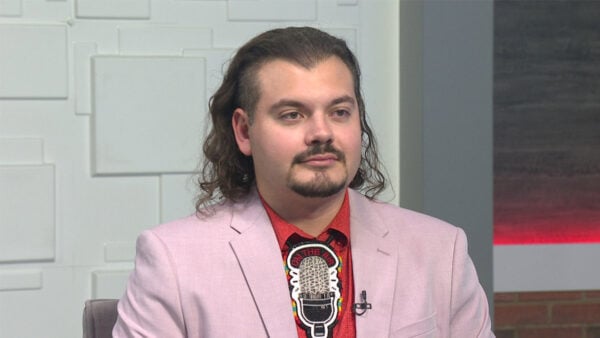
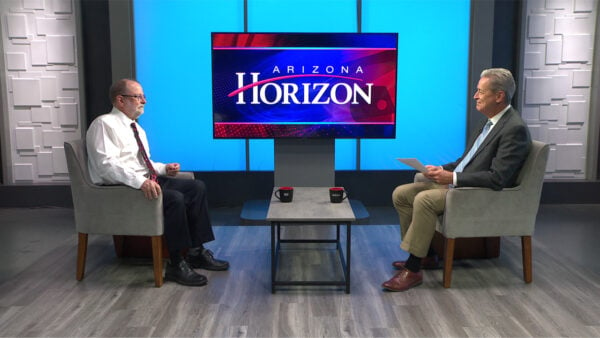
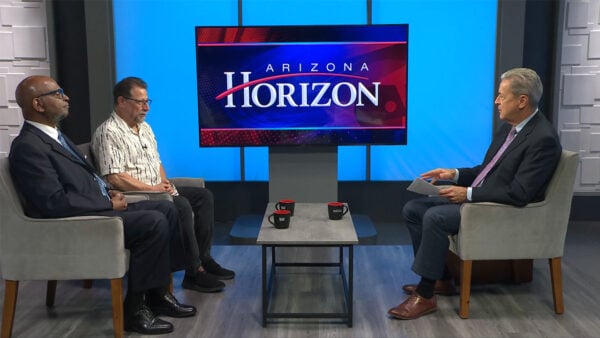
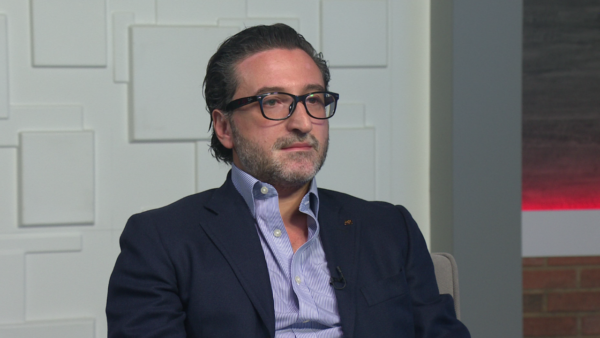
Dr. Francisco Arabia, Physician Executive at Banner-University Medicine Advanced Heart Failure Program, joined “Arizona Horizon” to discuss the impact of these implants.
“The number has been increasing more and more because the demand for human hearts continues to increase, but the supply has been fairly stable over the last 4 years,” Arabia said when talking about the milestone.
These artificial heart implants are just like a true heart transplant, keeping patients with failing hearts alive until a donor heart becomes available.
“That is where we are in the state of the technology at this time,” he said. “We hope that over the next few years we will have artificial hearts on a permanent basis, on a long-term basis.”
The patients for the artificial hearts are not just anyone who qualifies for a heart transplant, but can’t wait. The procedure only takes about 4 hours, but the chest is often left open for about 24-48 hours depending on the sickness of the patient.
“This is because nowadays the patients that we see are so ill, they usually have all of their organs failing, especially the liver. So they are going to try to bleed out the sickness throughout the procedure,” he said.
With 2 types of artificial hearts on the market soon, patients will be able to extend their usage by using both, one after the other is no longer able.
With this transplant, the goal is for them to live as they did before, the only issue being the ability to swim due to the battery. Arabia explains that though there is a wire that sticks out the body today, companies are working on ways to make the entire device implantable, powered by energy transmission across the skin.
“When we get to that point, that will compete with heart transplantation,” Arabia said. “Rather than somebody get a heart transplant, then they will get an artificial heart. And imagine the amount of people we would be able to help because the demand is so high.”