Many candidates have spoken about Medicare for All, but what is it? Medicare for All is a proposed single-payer healthcare system where the federal government would replace private health insurance.
Supporters say it would lower total national healthcare costs, end pharmaceutical profiteering and ensure that access to health is a universal right rather than tied to employment.
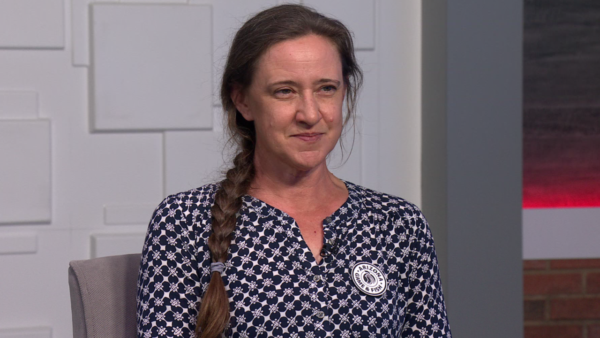
Swapna Reddy, an Assistant Dean and Clinical Professor at the College of Health Solutions at ASU, joined “Arizona Horizon” to discuss how this would all work and addressed the concerns of critics.
“As we know the majority of us get our health insurance through our employer”, She said when speaking on its effects. “So it would make the country a lot less dependent on employment based coverage because we would all have full coverage.”
There are multiple different “Medicare for all” proposals that all have the same goal of widening coverage, but they are all being shown in different ways. One of the ways is public option plan, which coexists with a private health insurance system, giving people the option to choose either. Others are based on demographic, whether it be age or social class
However, some critics raise concerns about the massive tax increases required to fund the multi-trillion-dollar system, potential limits on medical wait times and the economic disruption to the private insurance industry.
Canada is the closest example to what the overall goal is when it comes to universal coverage. The issue this brings is having to be forced into either universal health care or private.
“The American public loves choice. we love choice,” Reddy said when talking about the solutions. “So what seems to pull well, even though we have 65% of Americans… saying that the federal government should take more of a hand in making sure that everybody has affordable health insurance, folks are really split on how. And Often around half of those folks still want a choice [between private or universal] in the matter.”