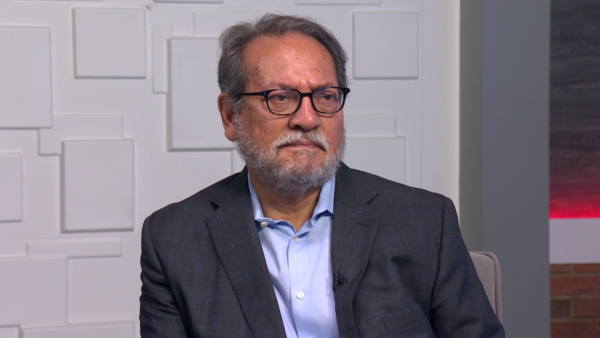
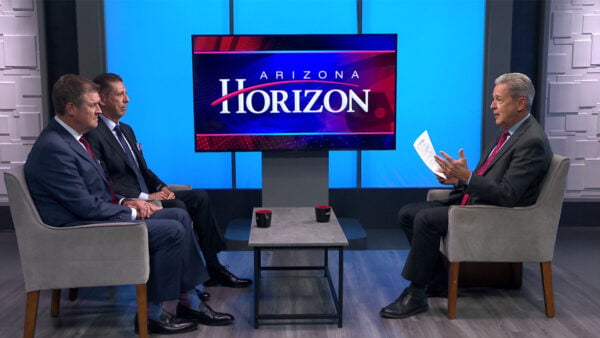
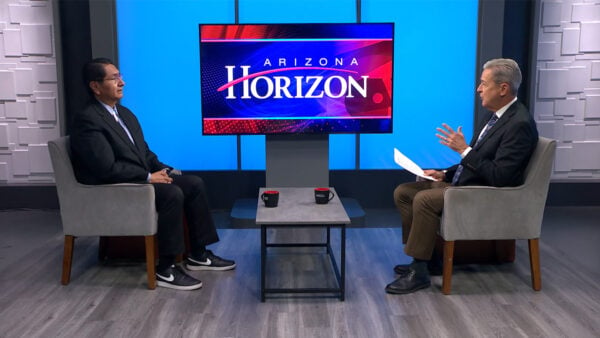
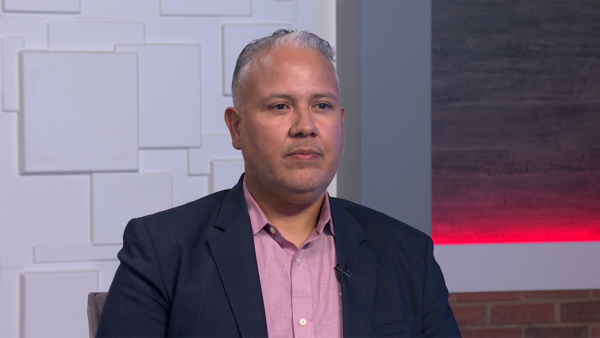
Stephen Montoya, Partner at Montoya, Lucero and Pastor, joined “Arizona Horizon” to discuss decisions made by the U.S. Supreme Court during its recent term.
Montoya described this year’s session as a “blockbuster”. Adding that the conservative majority of justices, “wants to gain as many mileage and create as many precedence as they possibly can”.
Taking a look first at the court’s ruling on birthright citizenship, Montoya noted that the court “stayed true” to the 14th amendment of the constitution.
The 5-4 decision protected birthright citizenship, Montoya reflected on the topic of domicile that is mentioned in the dissenting opinion.
“The concepts of domicile and allegiance are really parental, and therefore go to like their parentage, not their birthplace. That’s why those arguments in my view were absurd,” Montoya said.
Moving on to the court’s decision regarding President Trump’s tariffs, Montoya said that he wasn’t surprised by the court’s decision to go against the tariffs.
“The concept of the president being able to unilaterally control tariffs over every country in the world, and when you tax imports you are taxing the American public too. That was a usurpation of congress’ power to tax which is fundamental in the constitution,” Montoya said.
In the Louisiana v. Callais case, the court ruled that it was racial gerrymandering and there was a violation of the 15th amendment. Montoya shared some of the impacts of the ruling in political gerrymandering that have been seen thus far.
“Under another Supreme Court case authored by none other than the chief justice, you can do that. Political gerrymandering is not problematic legally and it’s permissible,” Montoya said.
The court also decided that President Trump can fire heads of independent agencies in the Trump v. Slaughter case. Montoya spoke about why he believes this is a “very dangerous case”.
“It’s supposedly based upon the separation of powers. Oh well you know these executive, thesis independent agencies exercise executive power. Guess what, they also exercise legislative power. They make rules, they are rule-making bodies,” Montoya said.
The Supreme Court also ruled to continue to allow the termination of temporary protective status for Haitian immigrants.
Montoya noted that this is a “great violation of the equal rights protection clause”, in part because of the president’s discriminatory language that would constitute discriminatory intent.
On the ruling regarding asylum seekers and the decision to keep them physically out of the country, Montoya spoke to why this can be dangerous and even fatal for those seeking asylum.
“When they keep them out of the country, sometimes they’re actually allowing them to be murdered by third parties that the United States does not control. That’s why they’re seeking asylum in the first place,” Montoya said.
The final decision discussed went into the ruling to uphold state laws in Idaho and West Virginia that would ban transgender girls and women from competing in school sports. The majority decision noted that it did not violate equal protection and Title VI.
Montoya said that the problem that he has with rulings like these is that the court is, “allowing discrimination against trangender people”.