Health care news featured on ‘Arizona Horizon’
Medical issues are a growing concern in Arizona and beyond, and “Arizona Horizon” has featured a variety of stories covering the latest developments in health care news and medical research.
Stream the latest health care news below, and watch “Arizona Horizon” weeknights at 5 and 10 p.m. on air, on our YouTube news channel AZPBS Now, or stream full episodes online later or through the PBS app.
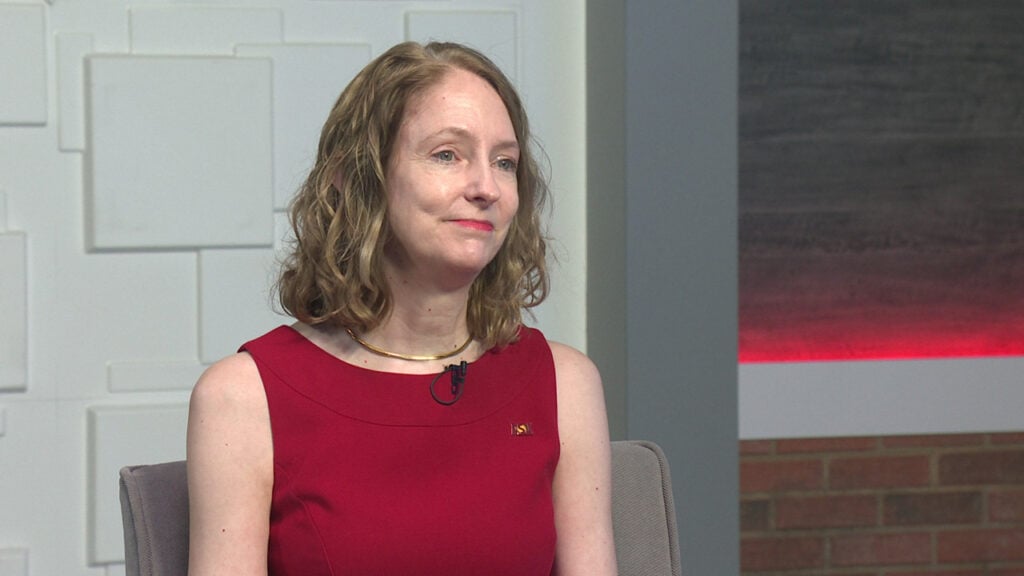
ASU’s new medical school welcomes its inaugural class
The Arizona State University (ASU) John Shufeldt School of Medicine began its first classes and welcomed its first class during a white coat ceremony.
ASU’s medical school teaches with a focus on humanities, engineering, biological sciences, AI, community care, health systems and research.
Holly Lisanby, founding Dean of the ASU John Shufeldt School of Medicine, joined “Arizona Horizon” to discuss the new medical school.
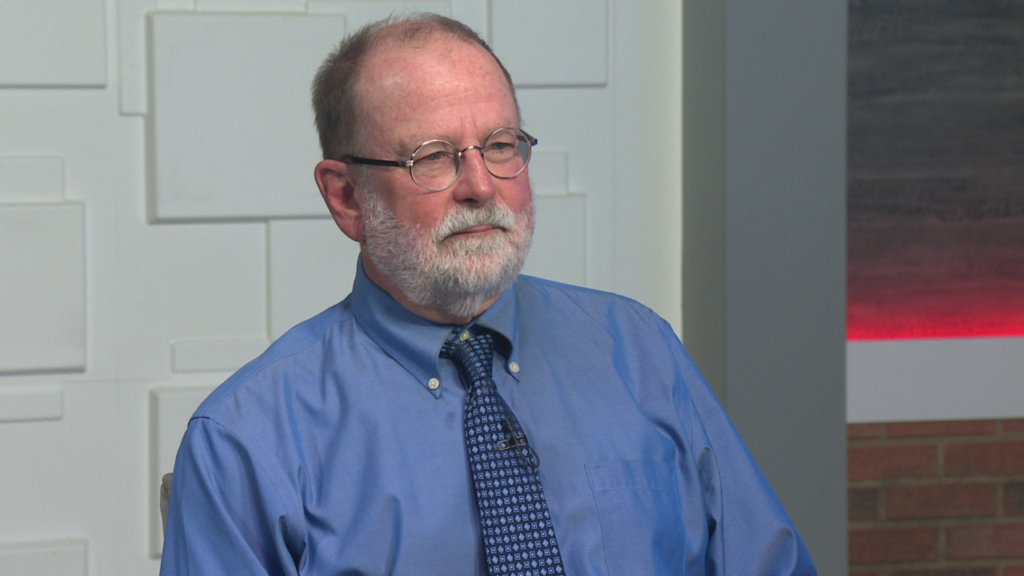
Vaccination rates in Arizona schools lowered
President Trump signed an executive order stating that infants should receive fewer immunizations over a longer period.
It also comes as a new report shows that most Arizona classrooms do not have adequate vaccination rates to prevent a measles outbreak.
Will Humble, executive director of the Arizona Public Health Association, joined “Arizona Horizon” to explain the implications Arizona will face as a result of this order.
A new, groundbreaking skin cancer treatment
Arizona’s melanoma rate is 28% to 40% higher than the rest of the United States. Now, Banner MD Anderson in Phoenix is offering a groundbreaking therapy for melanoma patients.
TIL therapy harvests a patient’s own immune cells, grows them into billions of cancer-fighting cells in a lab over three weeks, then reinfuses them into the tumor.
Dr. Yazan Samhouri, Banner MD Anderson, joined “Arizona Horizon” to speak about the new breakthrough.
ASU study finds dry heat poses risks similar to humid heat
New ASU research shows dry heat can be just as fatal as humid heat.
Once the body reaches its limit of sweating, hot and dry conditions become equally dangerous as hot and humid ones.
Dr. Jennifer Vanos, ASU Senior Global Futures Scientist, joined “Arizona Horizon” to discuss the dangers of dry and humid heat.
Study shows U.S. adults use social media to make health care decisions
More than one in five adults in the United States who use social media said they’ve used it for health care choices, according to a recent study conducted by JAMA Network.
Dr. Frank LoVecchio, Medical Director of Clinical Research at ASU’s College of Health Solutions, joined “Arizona Horizon” to discuss the reliability of healthcare information found online.
Banner Health pursues high-risk, long-term prevention studies for improved health care
As federal research grants decline and private investors chase immediate profits, long-term medical prevention is losing its funding.
According to Banner Health, their organization bridges this dangerous gap by using its nonprofit structure to back high-risk, decades-long studies that corporate markets ignore.
Dr. Corey Casper, Banner Research Senior Vice President and Chief Research Officer, joined “Arizona Horizon” to discuss the ways Banner Health says they improve immediate patient outcomes while laying the groundwork for future cures.

How Medicare for All would change U.S. health care
Medicare for All is a proposed single-payer healthcare system where the federal government would replace private health insurance.
Supporters say it would lower total national healthcare costs, end pharmaceutical profiteering and ensure that access to health is a universal right rather than tied to employment.
Swapna Reddy, an Assistant Dean and Clinical Professor at the College of Health Solutions at ASU, joined “Arizona Horizon” to discuss how this would all work and addressed the concerns of critics.
Banner Health reaches milestone in artificial heart implants
Banner Health completed more than 50 total artificial heart implantation procedures, more than any center since 2022.
The demand for heart donors is far greater than the supply and over 6 million U.S. adults live with heart failure.
Dr. Francisco Arabia, Physician Executive at Banner-University Medicine Advanced Heart Failure Program, joined “Arizona Horizon” to discuss the impact of these implants.
Dementia researchers examine post-shelter cognitive impairment
For more than a year, Central Arizona Shelter Services (CASS) has been screening older clients for possible dementia or mild cognitive impairment.
In February, researchers began looking at what happens when a person gets out of mass shelter and into a private space.
Heather Ross, Assistant Professor at ASU’s Edson College of Nursing and Health Innovation, joined “Arizona Horizon” to discuss how the research has progressed.
Experts recommend taking early steps to lower cholesterol
Cardiovascular disease is responsible for one in three deaths in the United States. According to new guidance by the American Heart Association, people who are at risk of heart disease should be taking early precautions to lower cholesterol in their 30s.
Health experts say prevention at a younger age can significantly reduce long-term complications and improve overall quality of life.
Dr. Saman Manzouri, an Optum primary care physician, joined “Arizona Horizon” to discuss the importance of lowering cholesterol and how people can reduce the risk of heart disease.
ASU breaks ground for the future of healthcare
ASU Health’s headquarters has laid the foundation for students to learn in a 175,000-square-foot, state-of-the-art facility. The building will feature five medical innovation suites, an artificial intelligence hub designed to support future physician-engineers, and a virtual skills lab where students can develop and test medical technologies alongside industry partners.
The project offers many different facets of the future of healthcare, and is expected to open in Fall 2028.
Elizabeth Baker, associate dean of medical education and Heather Clark, senior associate dean for engineering integration, both at ASU, joined “Arizona Horizon” to discuss how the medical school will fuse medicine and engineering.

ASU builds new tools to help Veterans combat loneliness, social isolation – April 6, 2026
An Arizona State University (ASU) research team has developed tech tools to help combat loneliness and social isolation in retired military personnel, as Veterans are particularly vulnerable to social isolation.
Nicole Roberts, associate professor at the School of Social and Behavioral Sciences and Ming Zhao, associate professor at the School of Computing and Augmented Intelligence, both at ASU, have been awarded a grant to develop artificial intelligence tools that will improve health care outcomes for aging Veterans.
Watch the full interview where Roberts and Zhao discussed their work.
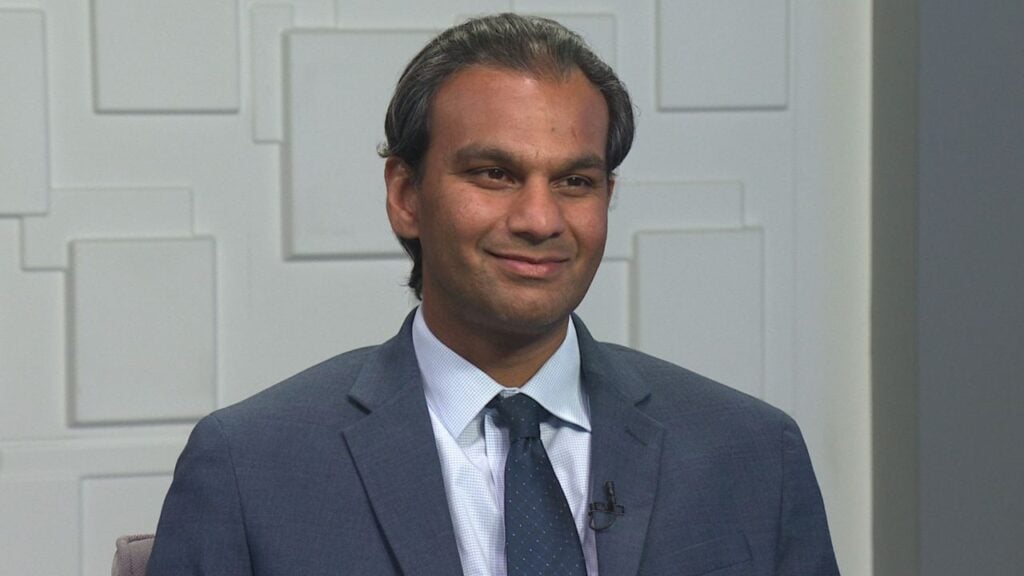
Advances in colorectal cancer treatment and early detection – April 21, 2026
The second leading cause of cancer deaths, colorectal cancer, is projected to claim the lives of more than 55,000 individuals in 2026. The survivorship rate is high when caught early, but that rate drops rapidly when the disease has spread across the entire body.
Recent research suggests that only 16% of individuals survive after five years once the cancer has spread, as Banner MD Anderson Cancer Center is at the forefront of changing those outcomes. This includes groundbreaking clinical trials, novel treatments and therapies, some of which are offered in the Valley.
Watch online as Dr. Rajesh Ramanathan, an oncologist at Banner MD Anderson Cancer Center, discussed more about the clinical trials and why catching colorectal cancer at earlier stages is so critical.
ASU breaks ground for the future of healthcare – April 20, 2026
The ASU Health’s headquarters has laid the foundation for students to learn in a 175,000-square-foot, state-of-the-art facility. The building will feature five medical innovation suites, an artificial intelligence hub designed to support future physician-engineers, and a virtual skills lab where students can develop and test medical technologies alongside industry partners..
Watch online as Elizabeth Baker, associate dean for medical education and Heather Clark, senior associate dean for engineering integration, both at ASU, discussed how the medical school will fuse medicine and engineering.

Arizona in critical need for senior caregiver funding – April 15, 2026
There is a critical need for funding for caregivers in Arizona. Across the state, more seniors and individuals with disabilities are choosing to remain in their homes as they age. Home and community-based care allows people to live safely and independently while staying connected to their families and communities.
A 2023 Mercer study identified a $30 million funding shortfall, with the gap approaching $6 per hour simply to keep pace with minimum wage.
Watch the full episode as Sara Wilson, CEO of Home Assist Health, discussed how her company is helping those in need and what Arizona can expect for the future of senior care.
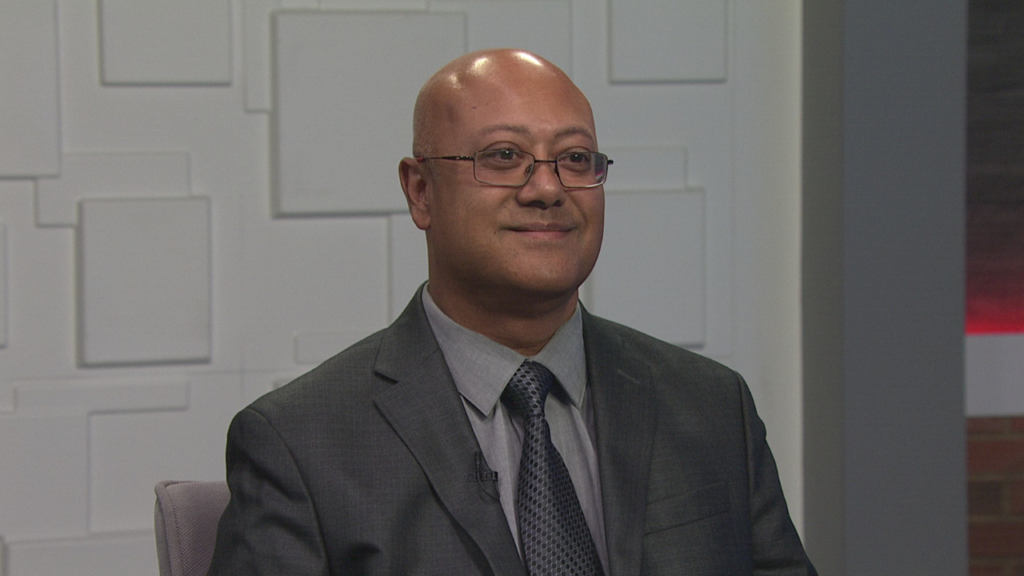
Arizona clinic targets early onset colon cancer – March 26, 2026
March is colon cancer awareness month. Mayo Clinic Arizona has one of the only early-onset colon cancer clinics in the country. The clinic follows a trend of younger patients being diagnosed with colon cancer, targeting those diagnosed before 55.
A new report by the Journal of the American Medical Association shows colon cancer is now the leading cause of cancer-related deaths among young adults.
Watch here as Dr. Jewel Samadder, director of the clinic, discussed symptoms to watch out for and the latest treatment options.
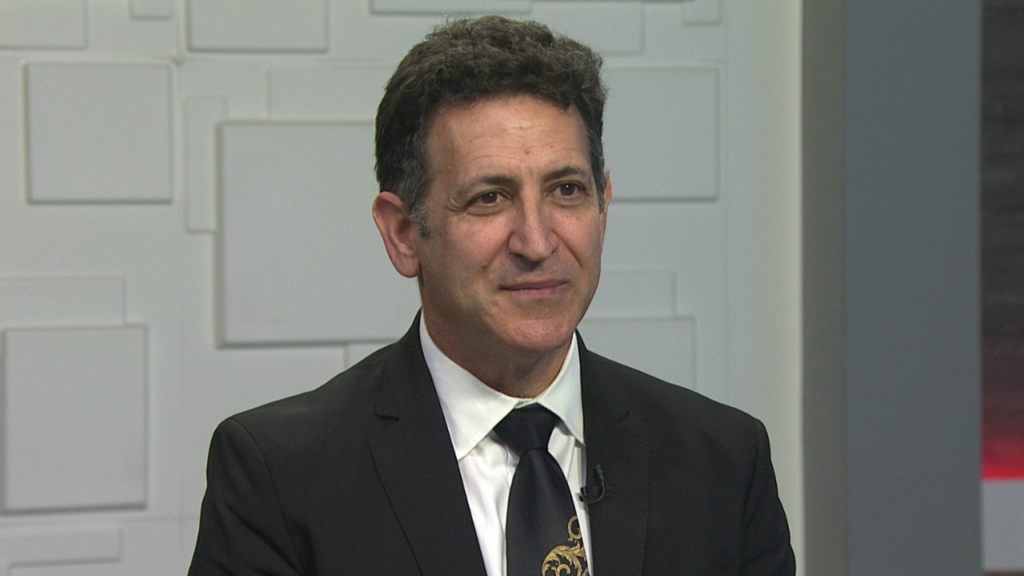
Barrow Neurological Institute begins Alzheimer’s clinical trials – March 24, 2026
Patients with early Alzheimer’s can now enroll in clinical trials at Barrow Neurological Institute using drugs originally developed for cancer and multiple sclerosis. The two trials will be using already existing drugs for two very different conditions.
The first trial will look at the effects of a bone cancer drug in those living with mild cognitive impairment. The second trial will involve a drug used to treat multiple sclerosis.
Watch online as Dr. Marwan Sabbagh, a behavioral neurologist at Barrow’s Alzheimer’s and Memory Disorders Program, discussed the trials and the type of patients the institute is looking for.
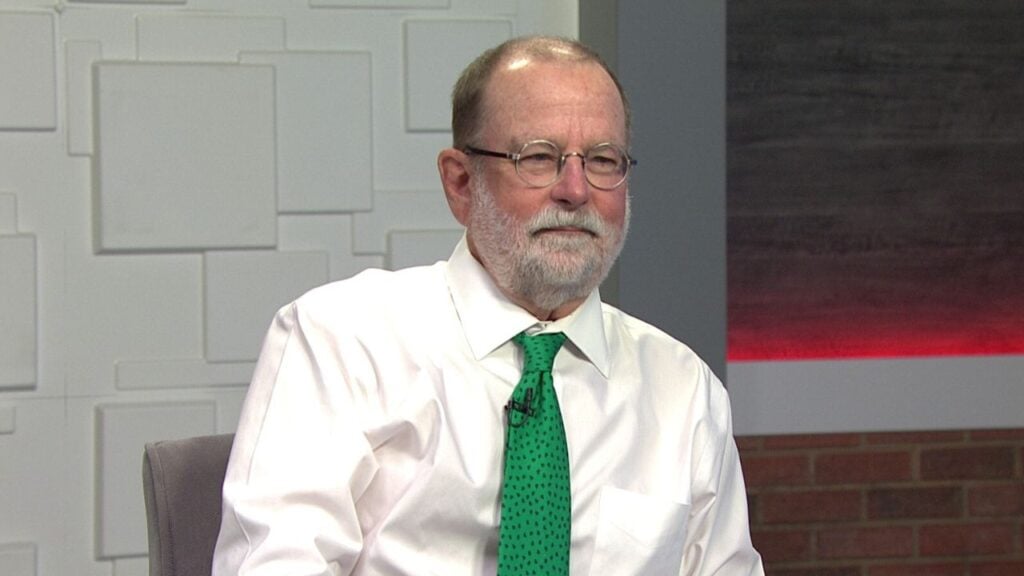
Judge blocks controversial vaccine policy changes – March 17, 2026
Recently, in a severe blow to the Trump administration’s health agenda, a federal judge in Massachusetts blocked the government from applying a series of decisions on vaccines.
Many of these policy changes were made over the last year by Health Secretary Robert F. Kennedy Jr.
Watch the full episode as Will Humble, the executive director at the Arizona Public Health Association, discussed more about the ruling and what it means for health and vaccine policies.
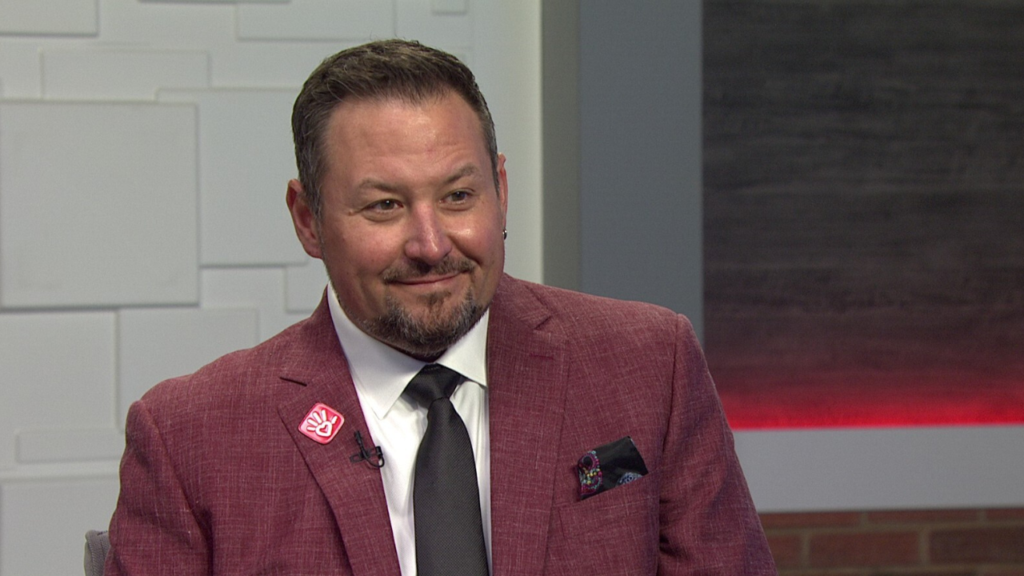
Phoenix hospital opens pediatric pain suite – March 9, 2026
Phoenix Children’s Hospital recently announced the opening of its new Interventional Pain Procedural Suite, a groundbreaking model of care. The suite is located at the Phoenix Children’s Thomas Campus, and is the first of its kind in pediatric medicine in the Western United States.
The suite is a space where professionals can execute advanced, image-guided pain procedures for children without needing to send them to the operating room.
Watch the full episode where Dr. Sean Gamble, Pediatric Anesthesiologist at Phoenix Children’s, discussed more about the new suite.
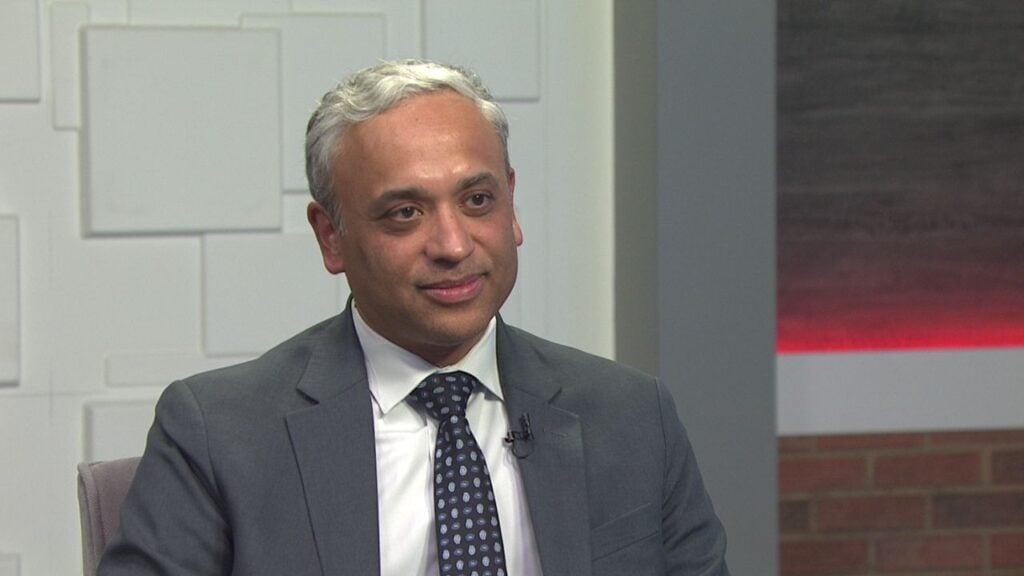
LATE dementia on the rise – February 12, 2026
A silent but serious brain disorder is affecting more older adults than many people realize. It is not Alzheimer’s disease.
It is called LATE dementia, short for limbic-predominant age-related TDP-43 encephalopathy. Experts now estimate it affects nearly one in three people age 85 and older and about 10% of those 65 and older. Despite those numbers, many families have never heard of it.
What makes LATE different? Why is it often mistaken for Alzheimer’s? What should families watch for?
Dr. Amit Shah of Mayo Clinic Arizona joined “Arizona Horizon” to explain the latest research, warning signs and what this growing diagnosis means for older adults and their loved ones.
Watch the full interview to learn what experts are discovering and how it could change the way we understand memory loss and aging.
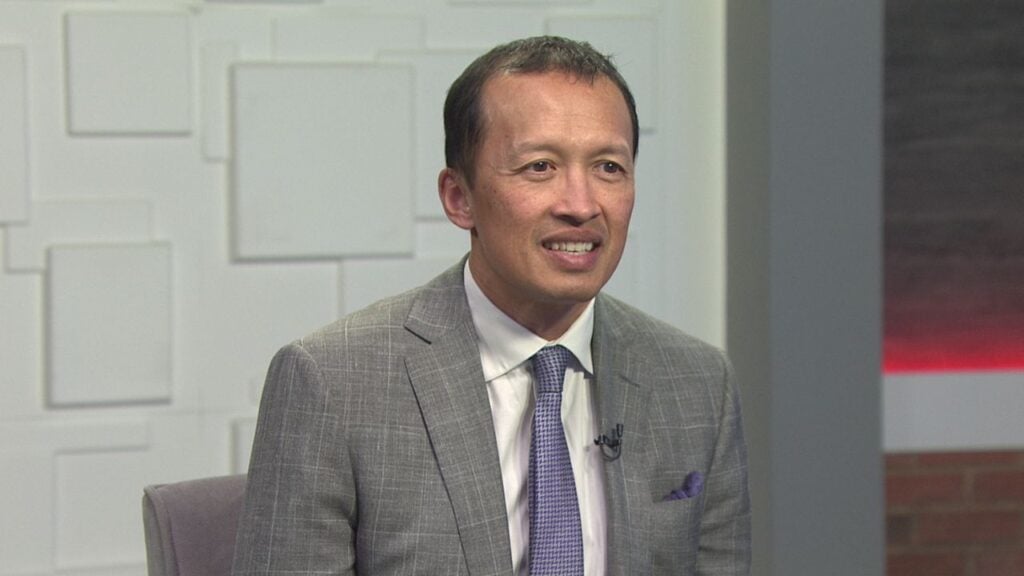
New catheter procedure treats leaky heart valves – February 11, 2026
Banner University Medical Center Phoenix has performed a revolutionary procedure to treat patients living with a leaky heart valve. The groundbreaking treatment uses Valcare’s AMEND ring, a minimally invasive device designed to repair the valve and help address this common heart condition.
In order to ensure no open-heart surgery is required, Dr. Paul Sorajja, an interventional cardiologist at Banner University Medical Center Phoenix said the ring is delivered through a small catheter inserted through a blood vessel.
Watch the full episode to hear directly from Dr. Sorajja about this medical breakthrough and why it matters now.
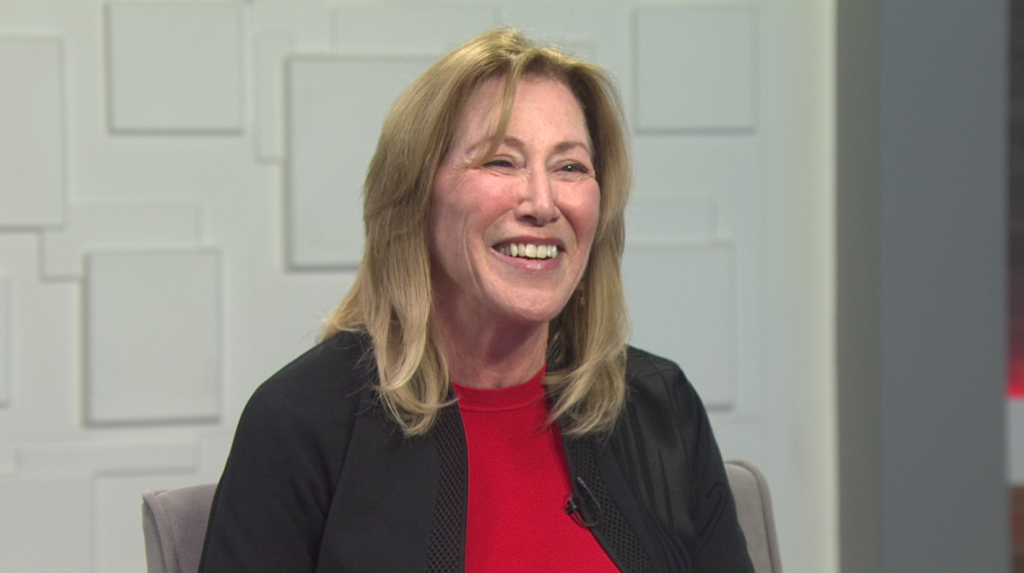
New book explains how to achieve fast recovery from illnesses – February 10, 2026
What if your body already has the tools to heal faster and recover stronger? A new book from AARP, “Heal Faster: Unlock Your Body’s Rapid Recovery Reflex,” explores how people can bounce back more efficiently from illness, injury, surgery and even chronic conditions.
In the book, Victoria Maizes, founding executive director of the Andrew Weil Center for Integrative Medicine at the University of Arizona, introduces what she calls the body’s “rapid recovery reflex.” She explains how interconnected systems that regulate immunity, metabolism, inflammation and resilience can be activated to support healing.
Want to know how it works and how you can apply it in your own life? Watch her interview on “Arizona Horizon” to learn practical, science-based strategies that could change the way you think about recovery.

Reducing blood pressure early can reduce the risk of dementia – January 30, 2026
New guidelines from the American Heart Association and the American College of Cardiology reveal that controlling your blood pressure today could help protect your brain tomorrow.
Growing research shows high blood pressure does not just affect the heart. It can also damage blood vessels in the brain and increase the risk of cognitive decline and dementia later in life.
Anna D. Burke, managing director of Karsten Solheim for Dementia Research Chair and a professor of neurology at Barrow Neurological Institute, joined “Arizona Horizon” to discuss the new guidelines.
Watch the full conversation to learn what you can do to lower your risk of dementia.
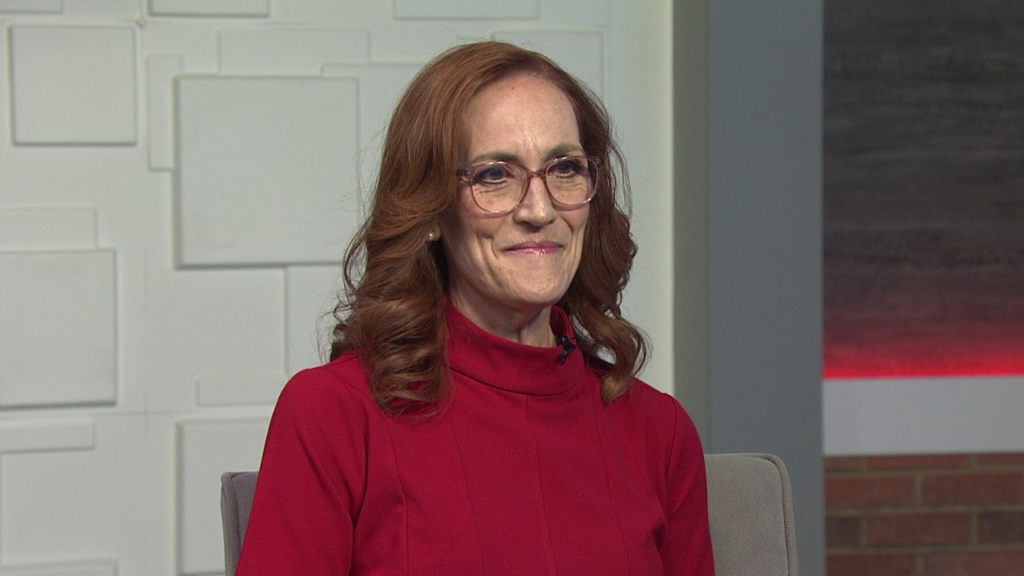
Health Secretary reveals new food pyramid guidelines – January 30, 2026
U.S. Secretary of Health and Human Services Robert F. Kennedy Jr. has announced new dietary guidelines, unveiling a new food pyramid. The new guidelines focus on promoting whole foods, proteins and healthy fats. The new food pyramid has red meat, cheese, vegetables and fruits at the top.
The new nutritional recommendations, announced on January 7, 2026, are a shift from previous guidelines.
Stephanie Espinoza, a registered dietitian, joined “Arizona Horizon” to discuss the new guidelines.
Watch the full episode to learn how the updated guidelines could impact your diet and well-being.
Global trends to consider as GLP-1 injections gain popularity – January 23, 2026
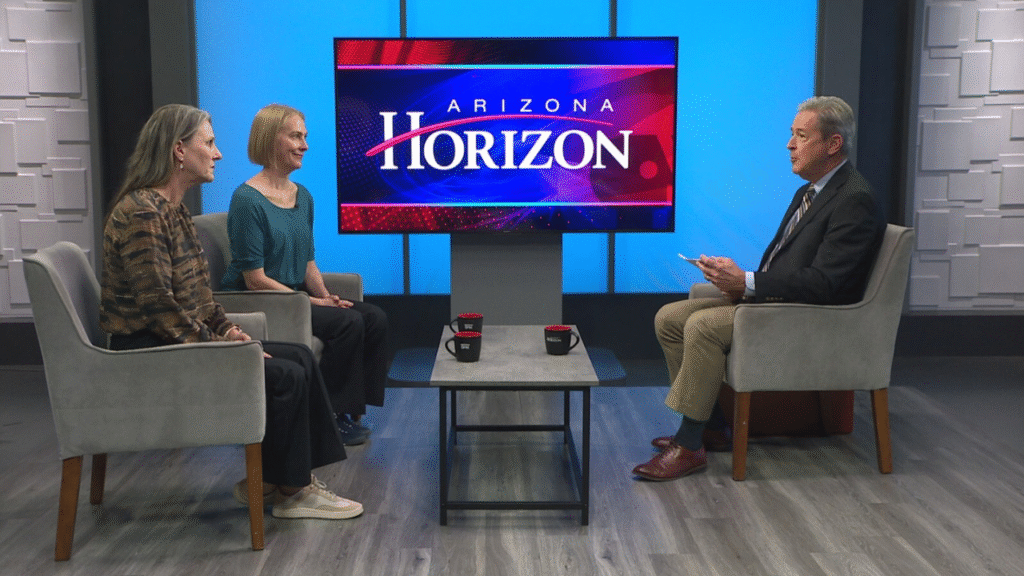
One in eight Americans say they have tried GLP-1s, a weight-loss injection. Research led by Arizona State University finds these medicines are influencing social norms, user strategies and health systems.
They identified nine global trends that should be considered as these drugs continue to gain popularity and become more accessible.
Alexandra Brewis, Ph.D., Regents and President’s Professor at the School of Human Evolution and Social Change at ASU, and Cindi SturtzSreetharan, President’s Professor at the School of Human Evolution and Social Change, joined “Arizona Horizon” to discuss the social effects of GLP-1 medications.
Watch the full conversation to learn how these drugs are changing more than weight and what it could mean for the future of health and society.
New immune-cell therapy helps combat synovial sarcoma – January 14, 2026
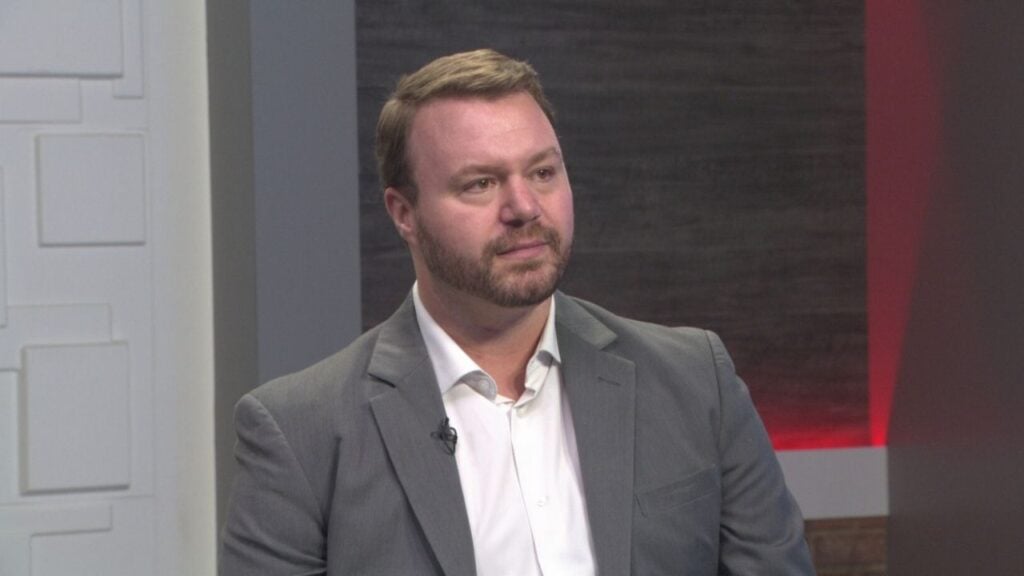
A patient with synovial sarcoma, a soft-tissue cancer that usually occurs in the large joints of the arms and legs, is the first in Arizona to be treated with a new immune-cell therapy known as TECELRA at HonorHealth Research Institute.
Justin Moser, M.D., Medical Oncologist at HonorHealth Research Institute, joined “Arizona Horizon” to discuss the breakthrough research on synovial sarcoma.
Watch the episode online to learn how TECELRA works and what it could mean for patients facing synovial sarcoma.