On Tuesday, March 31, 2026, President Donald Trump signed an executive order aimed at cracking down on mail-in voting.
The executive order seeks to task the federal government, through the U.S. Postal Service, to determine who receives a mailed-in ballot. It creates a list of U.S. citizens who are eligible to vote.
Arizona has used mail-in voting for over a century, and leaders such as Arizona Attorney General Kris Mayes and Arizona Secretary of State Adrian Fontes are teaming up to challenge the order.
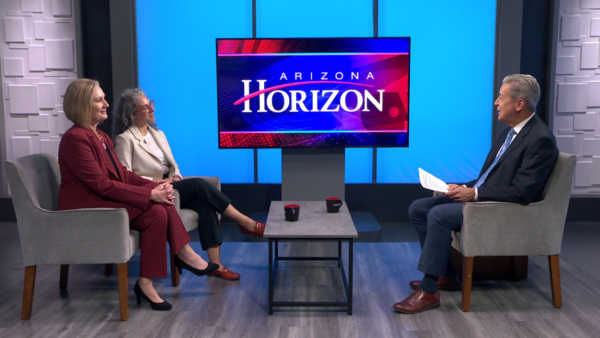
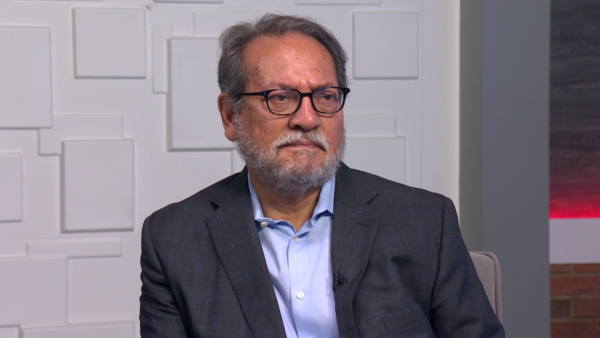
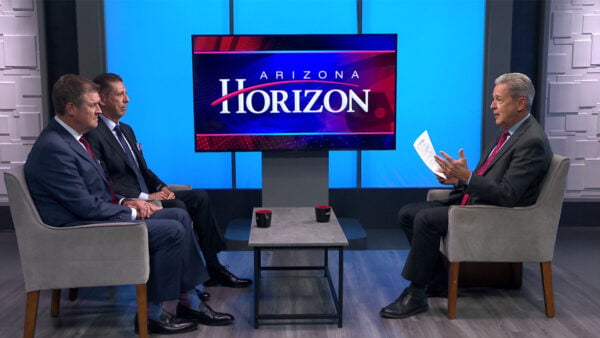
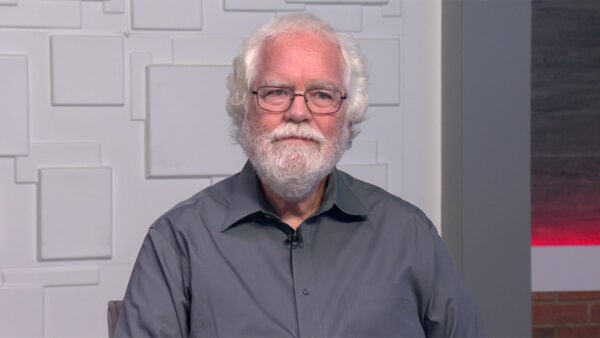
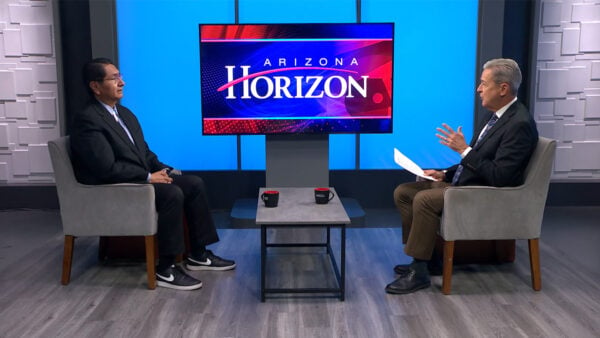
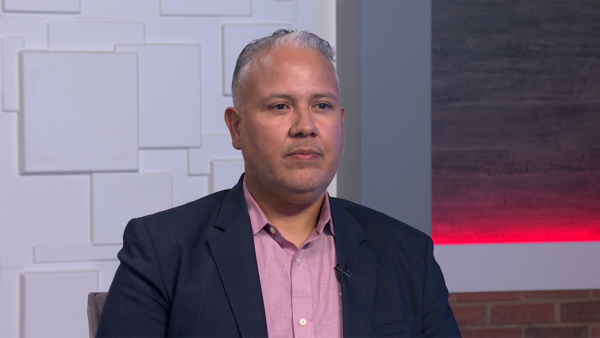
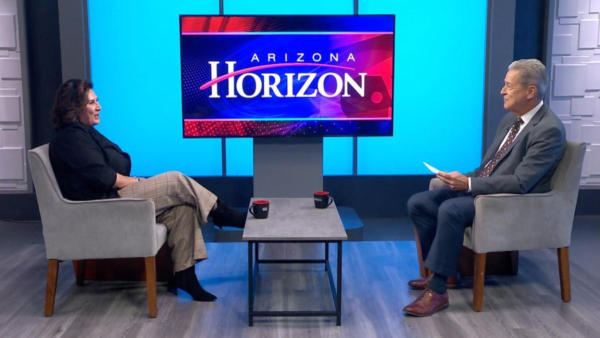
Stephen Montoya, partner at Montoya, Lucero and Pastor, joined “Arizona Horizon” to discuss the legitimacy of the executive order.
“It’s no surprise they were skeptical,” Montoya said about the Supreme Court’s reaction to the President’s latest decision. “All the challenges to the Trump attempt to unilaterally reverse the nation’s history of birthright citizenship that’s embodied in the 14th Amendment have been unsuccessful.”
One of the more well-known attempts to end birthright citizenship includes the 1898 Supreme Court case of United States v. Wong Kim Ark, which decided that children born in the U.S. to foreign-born parents are citizens, according to the National Constitution Center. For over 125 years various groups have attempted to overturn this ruling, according to the Brennan Center for Justice.
Supreme justices appointed by Reagan, Bush and Obama have uniformly declared it unconstitutional as well, according to Montoya. He added, “It went up to the Supreme Court, I think it’s going to lose there. I think it’s might lose by a lot. I was counting seven votes for sure against the [Trump] administration.”
Those seven being Chief Justice John G. Roberts, Jr., Associate Justices Elena Kagan, Ketanji Brown Jackson, Sonia Sotomayor, Neil M. Gorsuch and Amy Coney Barrett, according to Montoya.
“You might even get a couple more,” Montoya said. “You might get [Samuel A. Alito, Jr.]. I know that’s hard to believe but he’s the child of Italian immigrants. Back in the old days it was hard for Italian immigrants to get into the United States and they were discriminated against.”
Montoya added that Justice Clarence Thomas might also vote against the administration despite being a Trump appointed justice. “Birthright citizenship is something very dear to African Americans,” Montoya said.
Justice Brett M. Kavanaugh also seemed skeptical of the arguments against birthright citizenship, according to Montoya. The primary argument being that the 14th Amendment aids illegal immigration and those who oppose the amendment want to deter “birth tourism”, according to the American Immigration Council.